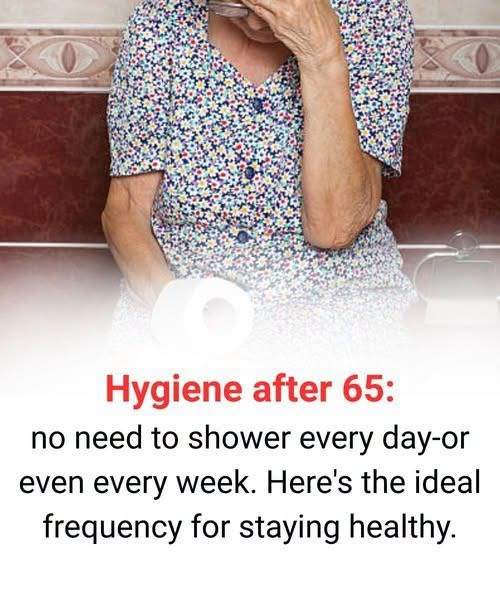
Aging brings significant changes to skin that affect how often bathing benefits or harms older adults. Many people maintain daily shower habits formed earlier in life without considering how their skin has evolved. Medical experts increasingly suggest that showering less frequently may protect skin health and reduce injury risks for those over 65. Understanding these changes helps seniors make informed decisions about personal hygiene routines that support overall well-being.
Skin becomes thinner and drier with age due to reduced oil production and weakened protective barriers. Daily hot showers strip away remaining natural oils faster than skin can replenish them. This leads to increased dryness, itching, and potential cracking that creates entry points for bacteria. Lukewarm water and gentle cleansers help preserve skin’s natural moisture balance more effectively.
Beneficial bacteria living on skin play important roles in protection against harmful germs. Frequent washing, especially with antibacterial products, disrupts this natural defense system. Restoring balance after disruption takes time and may leave skin more vulnerable temporarily. Reducing shower frequency allows protective microorganisms to maintain healthy populations.
Physical safety concerns make daily showering potentially risky for older adults. Wet surfaces increase fall likelihood particularly for those with balance issues or arthritis. Standing for extended periods can cause dizziness or fatigue in some seniors. Alternative hygiene methods like sponge baths provide cleanliness without same physical demands.
Dermatologists often recommend showering two to three times weekly for healthy adults over 65. More frequent bathing may be appropriate after heavy exercise or when medical conditions require it. Focusing on key areas like face, hands, underarms, and groin maintains hygiene between full showers. This approach reduces skin irritation while meeting cleanliness needs.
Proper moisturizing immediately after bathing helps lock in hydration and repair skin barrier. Fragrance-free products minimize irritation risks for sensitive aging skin. Gentle patting rather than rubbing preserves moisture while avoiding damage. Consistent moisturizing routines significantly improve comfort and appearance of older skin.
Individual responses to bathing frequency vary based on skin type, climate, and activity levels. Some seniors maintain daily showers without problems while others benefit from reduced frequency. Monitoring skin condition helps determine optimal routine for personal needs. Consulting dermatologists provides personalized guidance for specific skin concerns.
Cultural expectations around daily showering may not align with changing needs of aging bodies. Adapting hygiene practices demonstrates wisdom rather than neglect. Educating family members about age-related skin changes helps reduce misunderstandings about personal care choices. Open conversations normalize healthy adaptations to aging.
Daily showers after 65 often do more harm than good for skin health and physical safety. Reducing frequency while maintaining key hygiene practices better supports aging bodies. Proper moisturizing and gentle products complement adjusted routines effectively. Individual assessment ensures choices meet personal health needs appropriately.
Making informed changes to bathing habits represents important aspect of healthy aging. Prioritizing skin health and fall prevention improves quality of life for seniors. Small adjustments to daily routines can prevent unnecessary discomfort and injury risks. Embracing evidence-based practices helps older adults maintain dignity and comfort as they age.
Most Popular!
-
 Eggs, Cholesterol, and Timing: What Actually Matters for Most People
-
When a Partner Leaves With More Than a Suitcase: Protecting Yourself From Financial Betrayal
-
When Financial Support Meets Contempt: Recognizing Exploitation Inside a Marriage
-
Why Some Sensory Toys and Household “Hacks” Do Not Belong in the Microwave
-
When Grief Clouds Judgment: Misreading Silence and the Quiet Ways People Show Care
-
When One Partner Does All the Hosting: Recognizing Imbalance Before Resentment Takes Over
-
How Many Holes Are in a T-Shirt? What a Simple Puzzle Reveals About How We See
-
The Quiet Stories Inside Secondhand Objects: When a Thrift-Store Find Carries Someone Else’s History