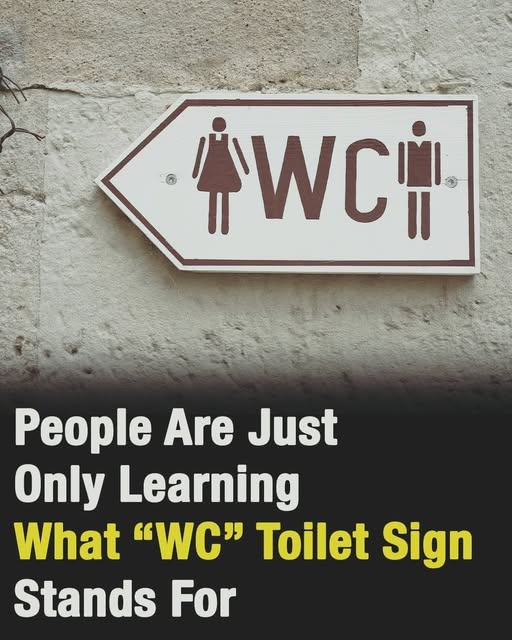
Travelers and locals alike often encounter the mysterious “WC” sign when looking for restrooms in various parts of the world. This simple abbreviation has puzzled many people who wonder about its origins and exact meaning in different contexts. Understanding what WC stands for helps clear confusion and makes navigating public facilities much easier whether you’re exploring new cities or simply visiting unfamiliar buildings. The history behind this common signage reveals interesting cultural and linguistic connections that span continents and centuries of bathroom evolution.
WC stands for “Water Closet,” an older term that refers to a room containing a toilet with flushing mechanism using water. This designation emerged during times when indoor plumbing represented modern convenience separating waste disposal from other household functions. The abbreviation became widely adopted across different languages and regions as standardized way to indicate toilet facilities without using more explicit terminology that might seem vulgar or inappropriate in public spaces. Different cultures embraced this practical shorthand that transcended language barriers while maintaining certain decorum around bodily functions.
The widespread use of WC signage reflects historical development of sanitation systems and public hygiene standards across various societies. As indoor plumbing became more common in Europe during industrial periods, the need for clear identification of toilet facilities grew alongside expanding public spaces and travel infrastructure. Hotels, restaurants, and transportation hubs adopted WC markings to help visitors quickly locate necessary amenities without awkward interactions or confusion. This practical solution spread globally through colonialism, tourism, and international standards that influenced building codes and public facility design worldwide.
Modern usage of WC varies somewhat depending on geographic location and cultural context. In many European countries, the abbreviation remains extremely common and instantly recognizable to locals and tourists alike. Some regions prefer more contemporary terms like restroom, toilet, or lavatory while still maintaining WC as acceptable alternative in certain establishments. Understanding these regional preferences helps travelers communicate effectively when asking for directions or navigating unfamiliar environments where language barriers might otherwise create confusion around basic needs.
Beyond simple identification, WC signage sometimes carries additional cultural significance related to privacy, cleanliness standards, and social norms around personal care. Different societies developed various approaches to public sanitation that influenced both facility design and terminology used to describe them. Some locations use symbols alongside or instead of WC lettering to accommodate international visitors and individuals with limited literacy. Universal symbols for male, female, and accessible facilities complement traditional abbreviations in creating inclusive environments that serve diverse populations effectively.
The evolution of bathroom terminology reflects broader societal changes regarding hygiene, privacy, and public health awareness over time. What once represented cutting-edge sanitation technology now serves as quaint reminder of earlier eras when indoor plumbing marked significant advancement in living standards. Contemporary facilities often incorporate advanced technologies for water conservation, accessibility, and hygiene that continue improving user experience while addressing environmental concerns. Understanding historical context behind WC helps appreciate progress made in public health infrastructure and ongoing efforts to enhance sanitation worldwide.
Practical tips for encountering WC signs include recognizing them as reliable indicators of toilet facilities regardless of additional local terminology that might appear nearby. When traveling internationally, familiarizing yourself with common abbreviations and symbols prevents unnecessary confusion or discomfort in unfamiliar settings. Many guidebooks and translation apps include basic restroom vocabulary that proves helpful when standard WC signage is absent or supplemented with local language equivalents. These small preparations enhance travel experiences by reducing stress around basic needs that arise frequently during exploration.
Cultural sensitivity around bathroom facilities varies globally, making respectful behavior important when using public restrooms in different countries. Some locations maintain specific customs regarding usage, maintenance, and social expectations that visitors should observe when possible. Understanding WC as universal shorthand helps bridge communication gaps while showing respect for local facilities and those maintaining them. This awareness contributes to positive cross-cultural interactions and smoother experiences when navigating public spaces abroad or even within diverse communities at home.
The humble WC sign represents fascinating intersection of language, history, technology, and human needs that transcends cultural boundaries while serving practical purposes worldwide. Its continued use demonstrates effectiveness of simple solutions that address universal requirements regardless of location or background. As facilities evolve with new technologies and accessibility standards, the basic function of providing safe, clean spaces for personal care remains constant across societies. Next time you see WC marking, you’ll understand its rich background and practical significance beyond simple direction to nearest bathroom. This knowledge adds interesting dimension to everyday experiences while traveling or exploring new environments both near and far.
Most Popular!
-
 Eggs, Cholesterol, and Timing: What Actually Matters for Most People
-
When a Partner Leaves With More Than a Suitcase: Protecting Yourself From Financial Betrayal
-
When Financial Support Meets Contempt: Recognizing Exploitation Inside a Marriage
-
Why Some Sensory Toys and Household “Hacks” Do Not Belong in the Microwave
-
When Grief Clouds Judgment: Misreading Silence and the Quiet Ways People Show Care
-
When One Partner Does All the Hosting: Recognizing Imbalance Before Resentment Takes Over
-
How Many Holes Are in a T-Shirt? What a Simple Puzzle Reveals About How We See
-
The Quiet Stories Inside Secondhand Objects: When a Thrift-Store Find Carries Someone Else’s History