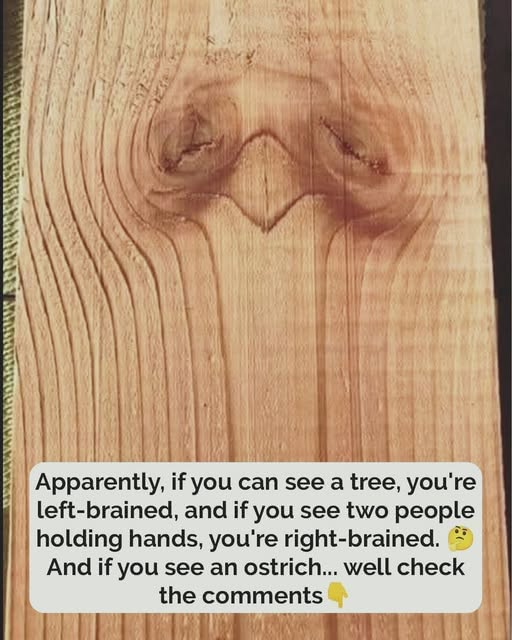
You open an image online and within a split second, one element jumps out at you while others fade into the background. For some it’s a hidden face, for others a specific shape or color. These seemingly simple visual tests have fascinated people for years because they offer a playful glimpse into how our minds work. What catches your eye first isn’t random — it often reflects your dominant thinking style, personality traits, and even how you approach life’s challenges. While not a substitute for professional personality assessments, these tests tap into the way our brains filter information and can spark meaningful self-reflection about why we see the world the way we do.
The science behind these tests lies in selective attention and cognitive biases. Our brains are constantly processing massive amounts of visual data, but they prioritize certain details based on past experiences, current mood, and inherent personality tendencies. Someone with strong analytical thinking might immediately focus on structure and patterns, while a more creative or emotional person might be drawn to faces, colors, or movement. This automatic filtering happens so quickly we rarely notice it, but when pointed out, it can reveal fascinating truths about our inner world. Millions of people share their results online, turning these tests into modern icebreakers that often lead to deeper conversations.
If the first thing you notice is a face or human figure, you likely have high emotional intelligence and strong interpersonal awareness. People who spot faces quickly tend to be empathetic, intuitive about others’ feelings, and skilled at reading social cues. This trait serves them well in relationships, teamwork, and creative fields where understanding human dynamics is key. They often excel at nurturing connections and noticing when someone needs support, even if no words are spoken. In daily life, this shows up as natural leadership in group settings or the ability to resolve conflicts with compassion.
Those who first see geometric shapes, lines, or hidden patterns often possess strong logical and analytical thinking. Your brain naturally gravitates toward order, structure, and problem-solving. This cognitive style makes you excellent at planning, strategizing, and breaking down complex situations into manageable parts. You might enjoy puzzles, excel in technical fields, or approach decisions with careful consideration of all angles. While highly rational, people with this trait sometimes benefit from balancing their analytical side with more emotional or creative perspectives to avoid overthinking.
Spotting animals or nature elements first frequently indicates a grounded, intuitive, and nurturing personality. You connect deeply with the natural world and often possess strong instincts about people and situations. This thinking style values harmony, growth, and authenticity. You might feel most energized outdoors or find peace in caring for plants, pets, or people. Many with this trait are healers, teachers, or creators who bring warmth and stability to their communities. Their first impression in visual tests often reveals a mind that seeks meaning and connection beyond surface appearances.
If bold colors or vibrant details catch your attention immediately, you likely have a creative, expressive, and optimistic outlook. Your brain prioritizes energy, beauty, and emotional impact. This trait often appears in artists, innovators, and anyone who brings joy and fresh perspectives to their environment. You notice possibilities where others see limitations and approach life with enthusiasm. Balancing this vibrant energy with practical follow-through helps turn inspiration into meaningful results. People with this style often lift the spirits of those around them and excel at generating new ideas.
Seeing movement or dynamic elements first suggests an action-oriented and adaptable thinking style. You thrive on change, excitement, and forward momentum. This cognitive pattern is common among entrepreneurs, athletes, and those who enjoy variety in their lives. You process information quickly and make decisions with confidence, often excelling in fast-paced environments. The challenge for this type is maintaining focus on long-term goals while enjoying the thrill of the moment. Harnessing this energy effectively leads to impressive achievements and an ability to inspire others to take action.
These tests also reveal how context and mood influence perception. The same person might see different things on different days depending on stress levels, energy, or recent experiences. This variability highlights the beautiful complexity of human minds — we are not fixed in one way of seeing the world. Regular engagement with such exercises can build greater self-awareness and appreciation for diverse perspectives. When you understand why certain elements stand out to you, it becomes easier to recognize your strengths and work on blind spots.
Beyond individual insights, these visual tests remind us of the value of cognitive diversity. Teams and relationships thrive when different thinking styles come together — the analytical mind balancing the intuitive one, the creative spark complemented by practical execution. Understanding your own patterns helps you communicate more effectively and appreciate how others experience the world. It reduces judgment and opens doors to stronger connections.
The next time you encounter one of these images, pause before scrolling past. Notice what catches your eye first and take a moment to reflect on what it might say about your current mindset. Share your results with friends and enjoy the conversations that follow. You might discover surprising similarities or celebrate delightful differences. These playful exercises turn ordinary scrolling into opportunities for self-discovery and connection.
Ultimately, what catches your eye first is just one small window into the remarkable way your mind works. Whether you see faces, patterns, animals, or vibrant colors, each perspective adds richness to our shared human experience. Embrace your natural way of seeing the world while staying open to other viewpoints. The beauty of these tests lies not in labeling ourselves but in sparking curiosity about the incredible diversity of human perception. Your unique vision is a gift — one worth understanding, celebrating, and sharing with the world around you.
The simple act of noticing what stands out can lead to deeper insights about yourself and greater empathy for others. In a busy world full of distractions, taking these small moments for reflection enriches life in unexpected ways. So go ahead — find an image, see what catches your eye first, and enjoy the journey of discovering more about the fascinating person you are.
Most Popular!
-
 New Research Examines Possible Heart Signals Linked to Rare Cases of Myocarditis After Vaccination
-
What a Purple Flag at the Beach Means for Safety and Marine Conditions
-
5 Common Household Expenses That May Be Increasing Your Monthly Bills Without You Realizing It
-
Happy 103rd Birthday to an Extraordinary Woman Who Has Touched So Many Lives
-
Questions Arise After 8647 Numbers Appear in National Mall Grass
-
The Millionaire’s Bride Surprised Everyone With Her Unexpected Decision
-
The Sad Young Woman Made a Life-Changing Marriage Decision — And It Saved Her Life
-
She Even Sounded Just Like Melania