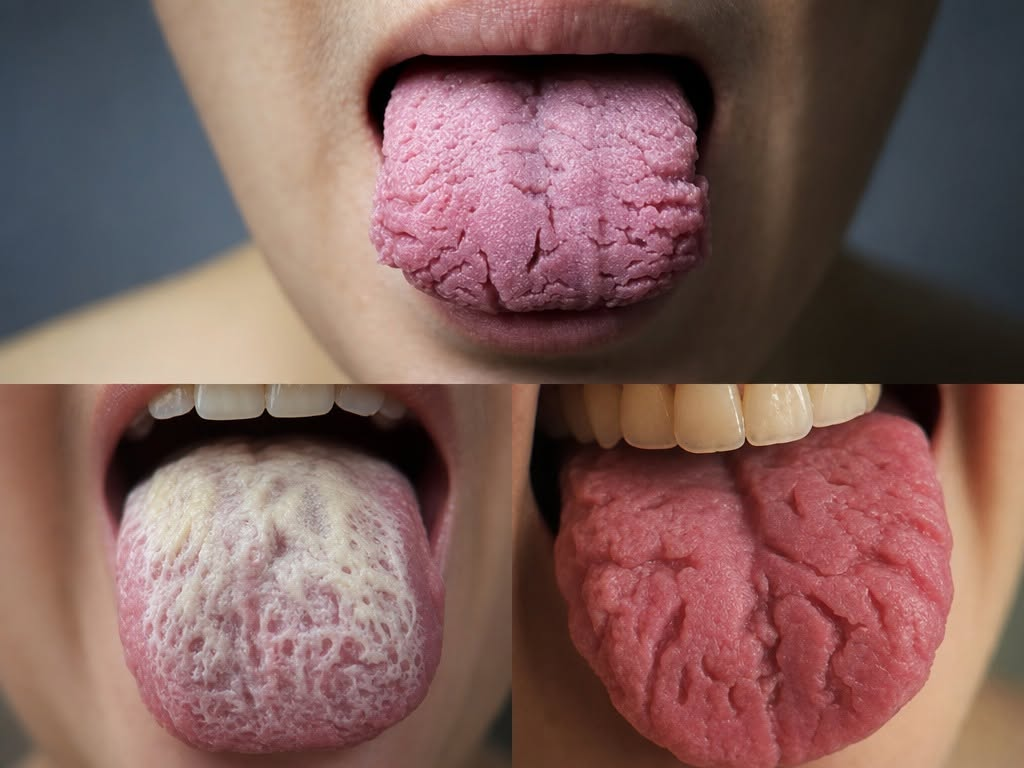
Your tongue might be trying to tell you something important every single morning, but most people never stop to listen. That small, often overlooked muscle in your mouth can reveal surprising clues about your overall health, sleep quality, and even hidden issues that could become serious if ignored. From unusual colors and coatings to strange textures or persistent discomfort, changes in your tongue often act as early warning signals from your body. Many people brush their teeth and move on with their day without noticing these subtle messages, only to wonder later why they feel constantly tired, experience digestive problems, or struggle with recurring health issues. Understanding what your tongue is communicating — especially in relation to how you sleep — can help you catch problems early and make simple changes that improve your energy, immunity, and long-term well-being.
One of the most common tongue signs people notice is a thick white or yellowish coating. While a thin white layer is normal, a heavy coating often points to poor digestion, dehydration, or an imbalance in oral bacteria. When this happens alongside restless sleep or snoring, it can indicate mouth breathing during the night, which dries out the mouth and allows bacteria to thrive. Chronic mouth breathing disrupts sleep quality and can contribute to higher risks of gum disease, bad breath, and even cardiovascular strain over time. If you wake up with a coated tongue regularly, consider trying nasal strips or consulting a sleep specialist to address underlying breathing issues before they affect your overall health more seriously.
A bright red or strawberry-like tongue can signal nutritional deficiencies, particularly in iron, vitamin B12, or folic acid. This smooth, inflamed appearance often comes with burning sensations or increased sensitivity to hot or spicy foods. For many adults, this symptom appears alongside fatigue, brain fog, or restless sleep because the body struggles to repair tissues overnight when key nutrients are missing. Poor sleep itself can worsen nutrient absorption, creating a cycle that leaves you feeling drained even after eight hours in bed. Adding iron-rich foods like leafy greens, lean meats, or fortified cereals, along with a B-complex supplement after checking with your doctor, can help restore balance and improve both tongue health and sleep quality.
Scalloped or indented edges along the sides of the tongue are frequently overlooked but can indicate teeth grinding or clenching during sleep, a condition known as bruxism. The pressure from your teeth creates visible marks that show up as ridges or waves along the tongue’s borders. Many people don’t realize they grind their teeth at night until a dentist points it out or they notice jaw pain and headaches upon waking. Left unaddressed, bruxism can lead to damaged teeth, chronic headaches, and disrupted sleep cycles that leave you exhausted. A custom night guard from your dentist, combined with stress-reduction techniques before bed, often resolves this issue and protects both your tongue and your dental health.
Unusual patches or geographic tongue, where smooth red areas appear surrounded by white borders, can flare up during periods of high stress or poor sleep. While usually harmless, these changing patterns can cause discomfort and sensitivity. They often worsen when the body is run down, making restful sleep even more difficult. Managing stress through gentle evening routines like reading, meditation, or warm herbal tea can help reduce flare-ups. Staying hydrated and avoiding overly acidic or spicy foods before bed also supports tongue health and promotes deeper, more restorative sleep.
A pale or whitish tongue that looks almost bloodless may point to anemia or poor circulation, conditions that significantly impact energy levels and sleep quality. When your body isn’t delivering enough oxygen-rich blood, you might wake up feeling unrefreshed even after a full night’s rest. This symptom often appears alongside fatigue, dizziness, or cold hands and feet. Increasing iron-rich foods and ensuring adequate vitamin C intake for better absorption can help, but persistent paleness should always be checked by a doctor to rule out underlying issues that might need medical attention.
Dark or black hairy tongue, though alarming in appearance, is usually caused by trapped bacteria and dead cells on the tongue’s surface. It often develops in people who breathe through their mouths at night or take certain medications. The condition itself isn’t dangerous, but it signals that oral hygiene and breathing patterns during sleep need attention. Using a tongue scraper gently each morning, staying hydrated, and addressing any snoring or mouth breathing can clear it up while improving overall sleep quality and fresh breath.
Persistent sores, ulcers, or white patches that don’t heal within two weeks deserve immediate medical attention, as they can sometimes indicate more serious conditions, including oral cancer. While most mouth sores are harmless and resolve quickly, those linked to smoking, heavy alcohol use, or HPV require prompt evaluation. Good sleep supports immune function and tissue repair, so addressing sleep issues alongside any concerning tongue changes gives your body the best chance to heal naturally.
Swollen or puffy tongue can result from allergies, nutritional deficiencies, or sleep apnea. When the tongue enlarges during sleep, it can partially block airways, leading to snoring, interrupted breathing, and poor oxygen levels. This creates a cycle where fatigue worsens and the tongue remains inflamed. If you notice teeth marks on the sides of your tongue or wake up feeling groggy despite sleeping long hours, a sleep study might reveal underlying apnea that’s affecting both your tongue and your overall health. CPAP therapy or lifestyle changes can dramatically improve symptoms and protect your heart and brain from the strain of poor nighttime oxygen.
Taking care of your tongue goes beyond brushing your teeth. Gentle daily scraping, staying hydrated, and addressing sleep-related breathing issues support both oral health and whole-body wellness. Many people notice better energy, clearer thinking, and improved mood after paying attention to their tongue’s messages and making corresponding adjustments to their sleep and diet habits. Your tongue is working hard for you every single day. Learning to read its signals gives you valuable insights into your health that you might otherwise miss.
The connection between tongue health and sleep quality reminds us how interconnected all systems in the body truly are. Changes that seem purely cosmetic often reflect deeper processes worth investigating. By paying attention to your tongue each morning, you’re essentially checking in with your body’s early warning system. Many people have caught nutritional deficiencies, sleep disorders, or even early signs of more serious conditions simply by noticing something different about their tongue.
Your tongue tells a story about your health every single morning. Learning to read that story empowers you to take better care of yourself and catch potential problems while they’re still manageable. The next time you brush your teeth, take a moment to really look at your tongue. Those small changes might be asking for your attention. Listen closely — your body is trying to communicate something important. Taking action on those messages could lead to better sleep, more energy, and greater confidence in how you look and feel every day.
Small changes in daily habits — better hydration, gentler oral care, addressing sleep issues, and regular check-ups — make a meaningful difference over time. Your tongue, like the rest of you, responds to consistent, loving care. Give it the attention it deserves, and it will continue serving as a reliable indicator of your overall well-being for years to come. The health of your tongue truly reflects the health of your entire body. Honor that connection, and you’ll be taking one of the smartest steps possible toward lifelong wellness.
Most Popular!
-
 10 Unusual Signs of Stroke in Women That Could Save Your Life If You Spot Them Early
-
After My Wife Was Gone, I Found a Divorce Decree From 20 Years Ago — And the Family Secret That Followed Changed Everything
-
The Day My Son’s Bride Slapped Me — And How It Set Me Free
-
Orphanage Sweethearts Finally Marry — A Long-Lost Letter and Life-Changing Inheritance Gave Them the Dream Home They Never Thought Possible
-
Little-Known Mistakes and Bloopers in The Rifleman That Fans Still Debate Today
-
Shocking New Presidential Polls Reveal Where Americans Stand on Donald Trump
-
The Natural Power of Cloves: Home Remedies for Better Health at Any Age
-
After Eleven Years of Marriage, My Husband Left Me for Someone Younger — But When Karma Struck, He Came Crawling Back