Europe stands at a critical crossroads as Brussels pushes forward with sweeping military reforms that could reshape the continent’s defense landscape for decades to come. What began as quiet discussions among policymakers has evolved into concrete plans for unprecedented collaboration and investment in security capabilities. This ambitious overhaul addresses growing concerns about regional stability, shifting global power dynamics, and the need for greater self-reliance in an uncertain world. As divisions between member states persist, these initiatives represent a bold attempt to unify efforts and strengthen collective resilience against emerging threats that no single nation can tackle alone.
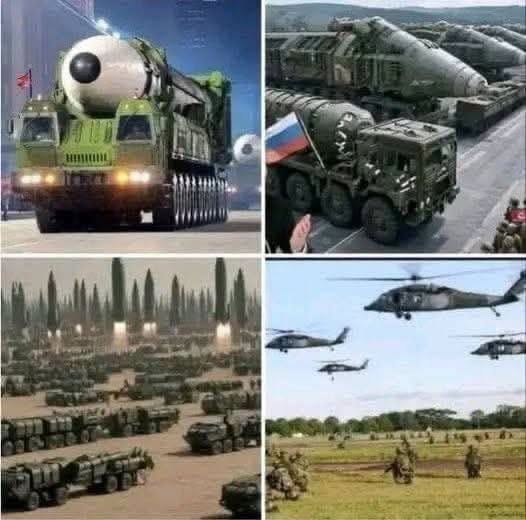
The driving forces behind this transformation stem from recent geopolitical developments that exposed vulnerabilities in existing defense frameworks. Conflicts on Europe’s doorstep and increasing competition from major powers have highlighted the limitations of fragmented national approaches. Leaders in Brussels recognize that relying heavily on external alliances may no longer suffice amid evolving priorities elsewhere. By coordinating procurement, standardizing equipment, and boosting joint training exercises, the European Union aims to create a more integrated and capable force structure. This shift signals a maturing strategic outlook focused on preparedness rather than reaction to crises as they arise.
Economic considerations play a central role in the proposed changes. Pooling resources for research, development, and manufacturing could reduce duplication and achieve significant cost savings across member states. Investments in advanced technologies like cyber defenses, drone systems, and next-generation aircraft promise to modernize aging inventories while fostering innovation within European industries. Supporters argue that these measures will not only enhance security but also generate jobs and technological leadership on the global stage. However, questions remain about equitable burden-sharing and ensuring smaller nations benefit alongside larger ones in this comprehensive restructuring effort.
Political hurdles present some of the greatest challenges to successful implementation. Deep-seated differences in threat perceptions, historical alliances, and budgetary priorities continue dividing opinions across capitals. Some countries advocate for rapid acceleration toward greater autonomy, while others prefer maintaining strong transatlantic ties as the cornerstone of defense strategy. Navigating these divides requires delicate diplomacy and compromise to build consensus without alienating key partners. The process tests the European project’s ability to deliver on security promises while respecting national sovereignty concerns that have long shaped integration efforts.
Public opinion varies considerably depending on location and recent experiences. Citizens in frontline states often express strong support for enhanced capabilities and solidarity measures. In contrast, populations farther from perceived threats may view increased spending skeptically amid competing domestic priorities like healthcare and education. Effective communication about the rationale and benefits will be essential to maintain democratic support throughout this multi-year transformation. Transparency in decision-making and demonstrable progress on joint projects could help bridge gaps between policymakers and everyday citizens affected by these strategic shifts.
Technological innovation forms the backbone of the ambitious agenda. Emphasis on artificial intelligence, space-based assets, and sustainable defense solutions reflects recognition that future conflicts will differ markedly from traditional battlefields. Collaborative research programs aim to position Europe competitively against global leaders in military technology development. These investments extend beyond hardware to include training methodologies and operational doctrines adapted for hybrid warfare scenarios involving cyber elements and disinformation campaigns. Success in these areas could redefine Europe’s role as a security provider both internally and in partnership with international allies.
The broader implications for global stability are significant as Europe strengthens its defensive posture. A more capable and cohesive European defense framework could contribute positively to international peace operations and deterrence strategies. It may also influence relationships with major partners by creating a more balanced alliance dynamic based on mutual capabilities rather than dependency. Critics worry about potential arms race dynamics or unintended escalations, underscoring the need for transparent dialogue and confidence-building measures alongside capability enhancements. The ultimate goal remains preserving peace through strength and cooperation rather than confrontation.
As implementation progresses, monitoring mechanisms and periodic reviews will help adjust course based on evolving circumstances and feedback from participating nations. Flexibility remains crucial given the unpredictable nature of security challenges in today’s interconnected world. Building trust through demonstrated results on smaller joint initiatives could pave the way for more ambitious undertakings down the line. The coming years will test Europe’s commitment to these reforms and its ability to overcome historical divisions for the sake of collective security.
In facing these pivotal decisions, European leaders are writing a new chapter in the continent’s defense history. The silent alarm has been heard, prompting action that could safeguard prosperity and stability for generations ahead. While challenges abound, the potential rewards of a more unified and capable Europe offer compelling reasons to pursue this ambitious path forward. The world watches closely as Brussels navigates this complex transformation, hoping it leads to greater security and cooperation across a continent long shaped by both conflict and collaboration.
Most Popular!
-
 Eggs, Cholesterol, and Timing: What Actually Matters for Most People
-
When a Partner Leaves With More Than a Suitcase: Protecting Yourself From Financial Betrayal
-
When Financial Support Meets Contempt: Recognizing Exploitation Inside a Marriage
-
Why Some Sensory Toys and Household “Hacks” Do Not Belong in the Microwave
-
When Grief Clouds Judgment: Misreading Silence and the Quiet Ways People Show Care
-
When One Partner Does All the Hosting: Recognizing Imbalance Before Resentment Takes Over
-
How Many Holes Are in a T-Shirt? What a Simple Puzzle Reveals About How We See
-
The Quiet Stories Inside Secondhand Objects: When a Thrift-Store Find Carries Someone Else’s History