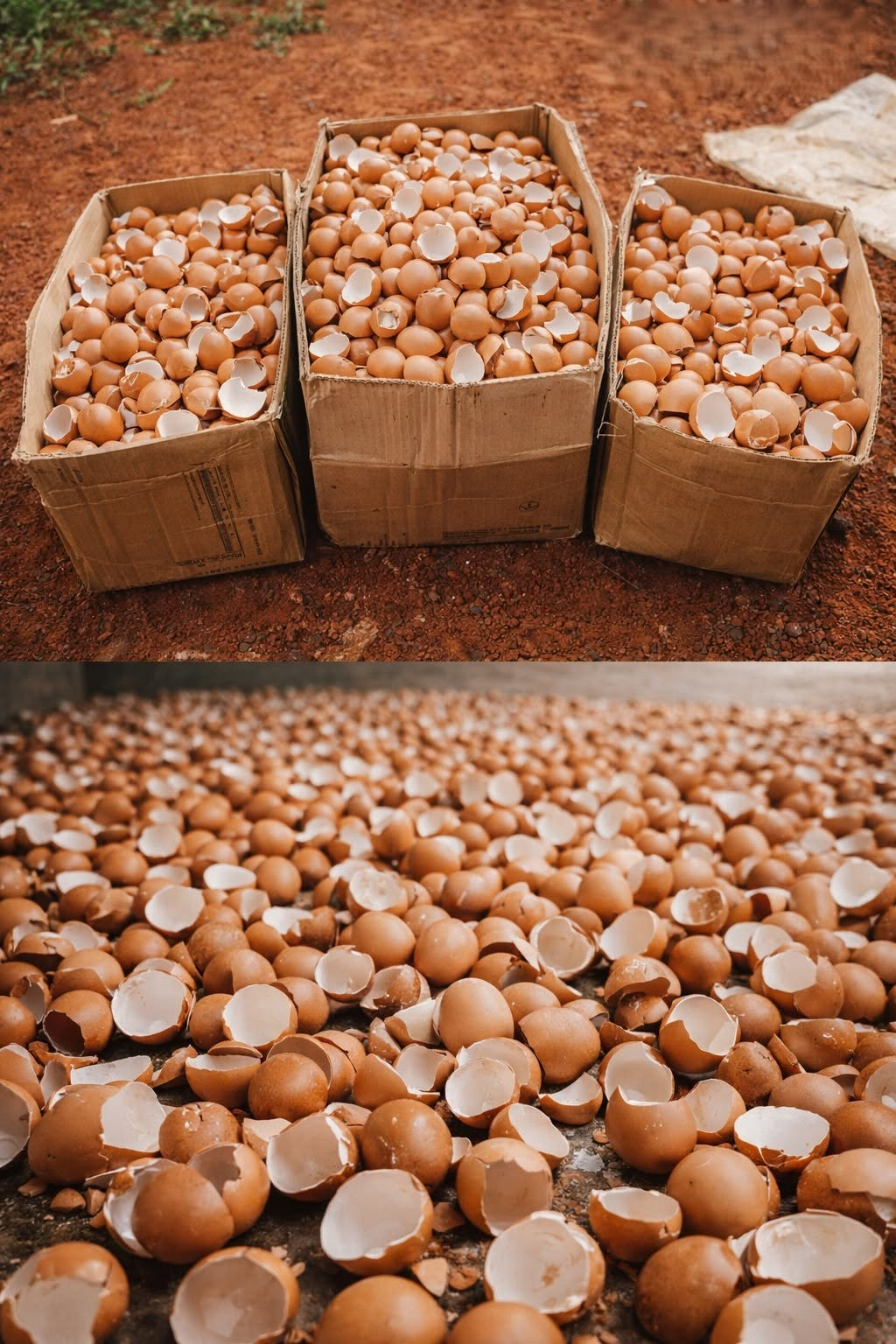
I used to toss eggshells straight into the trash without a second thought, just like most people do after making breakfast. It wasn’t until I visited a friend who runs a thriving market garden that I discovered I had been throwing away one of the most powerful, free garden boosters available. She laughed when she saw me scraping shells into the bin and immediately pulled out a jar filled with crushed eggshells from her counter. “These are gold for the garden,” she told me. That simple moment changed how I approach gardening forever. What seemed like ordinary kitchen waste turned out to be a secret weapon that professional growers have quietly relied on for generations to build stronger soil, protect plants, and grow more abundant harvests without expensive chemicals.
Eggshells are packed with calcium carbonate, the same mineral that makes up the structure of many plant cell walls. When added to garden soil, they slowly release this essential nutrient, helping prevent common problems like blossom end rot in tomatoes and peppers. Calcium strengthens roots and stems, improves nutrient uptake, and creates a more balanced soil environment. Professional gardeners know that consistent calcium levels lead to healthier plants that resist disease and produce better fruit. Unlike synthetic fertilizers that can burn roots or wash away quickly, eggshells break down gradually, providing a steady supply exactly when plants need it most during their growing season.
The beauty of using eggshells lies in how easy they are to prepare at home. After rinsing them to remove any remaining egg, I let them air dry completely on a tray. Once dry, I crush them into small pieces or grind them into a fine powder using a mortar and pestle or blender. Some gardeners prefer coarse fragments for slug and snail control around the base of plants, while finer powder works better when mixing directly into soil or compost. The preparation takes almost no effort but delivers results that rival commercial soil amendments costing far more. One large egg provides roughly two grams of calcium, so saving shells from a family’s weekly breakfast adds up quickly into meaningful garden support.
Beyond calcium, eggshells offer trace minerals and help improve soil structure over time. They increase the pH slightly in acidic soils, making nutrients more available to plants. Many experienced growers mix crushed shells into compost piles to balance acidity and speed up decomposition. The porous texture also creates tiny air pockets in heavy clay soils, improving drainage and preventing waterlogging that can drown roots. I started adding a handful to each planting hole when setting out seedlings, and the difference in vigor was noticeable within weeks. My tomato plants grew sturdier, with fewer signs of stress even during hot, dry spells.
One of the most impressive uses involves natural pest control. Slugs and snails hate crossing sharp, jagged eggshell pieces because they irritate their soft bodies. A light ring of crushed shells around vulnerable plants like lettuce, basil, or young seedlings creates an effective barrier without harming beneficial insects or the environment. Professional gardeners often combine this with other organic methods, creating layered protection that keeps crops safe through the season. I’ve watched my garden go from constant slug damage to almost none after adopting this simple trick, saving both plants and the frustration of repeated treatments.
Many people worry about using eggshells because they fear bacteria or salmonella, but proper handling eliminates any risk. Rinsing and thorough drying kills potential pathogens, and the high heat of composting or soil contact finishes the job safely. Avoid using shells from raw eggs directly on edible plants without processing. For even better results, some gardeners soak crushed shells in water for a few days to create “eggshell tea,” a gentle calcium-rich liquid fertilizer perfect for watering containers or acid-loving plants that still benefit from occasional calcium boosts.
Comparing eggshells to store-bought alternatives highlights their advantages. Commercial calcium supplements can be expensive and often contain additives, while eggshells are free, renewable, and already part of your daily routine. They work slower than liquid feeds but provide longer-lasting benefits without the risk of over-fertilizing. I’ve spoken with market farmers who swear by eggshells for their high-value crops because they improve both yield and quality. Customers notice the difference in flavor and appearance, which translates to better sales and repeat business. The environmental win is huge too — diverting waste from landfills while building healthier soil.
Common mistakes include throwing whole shells into the garden without crushing them, which slows breakdown significantly. Large pieces take years to decompose, so always crush or grind them first. Another error is expecting immediate results. Eggshells work gradually, so patience and consistent use throughout the season bring the best outcomes. Avoid using them around plants that prefer very acidic conditions, like blueberries or azaleas, unless you test and balance your soil carefully. Start small and observe how your specific garden responds before going all in.
The transformation in my garden since discovering this secret has been remarkable. Vegetables grow stronger, flowers bloom more vibrantly, and the soil feels richer with each passing season. What started as a simple kitchen habit became a cornerstone of my sustainable gardening approach. Friends who once laughed at my shell collection now ask for jars of their own after seeing the results. Professional gardeners have known this for decades, quietly collecting what others discard and turning it into garden abundance.
If you’ve been throwing eggshells away, it’s time to rethink that habit. Start saving them today and watch your garden thank you with healthier plants and bigger harvests. The secret weapon hiding in your kitchen trash costs nothing but delivers professional-level results when used thoughtfully. Your plants deserve this natural boost, and your garden will flourish because of it. The next time you crack an egg, remember that you’re holding more than breakfast — you’re holding free garden gold that professionals never waste. Give it a try and see the difference for yourself. Your future garden will be stronger, more resilient, and far more productive than you ever imagined.
Most Popular!
-
 My Cruel Mother Threw My Clothes on the Porch After My Nursing Shift But She Had No Idea Who Actually Owned the House
-
The Disturbing Truth Behind the Pima County Deputy Arrest That Has Shattered Public Trust in Arizona
-
The Chilling Discovery in Nancy Guthrie’s Son-in-Law’s Garage That Has Sent Shockwaves Through Arizona
-
Nebula Sexuality Explained – Why Neurodivergent People Are Adopting This Rare New Identity
-
Lunar Mission in Peril: Veteran Astronaut Issues Dire Warning Over Artemis II Safety Flaws
-
My High School Bully Husband Called Me 20 Years Later to Expose Her Darkest Secret
-
Melania Trump Explosive Epstein Statement Sparks Massive Outrage as Survivors Fire Back
-
Sensational Military Attack Claims Go Viral: Why Lack of Official Evidence Means You Should Tread Carefully