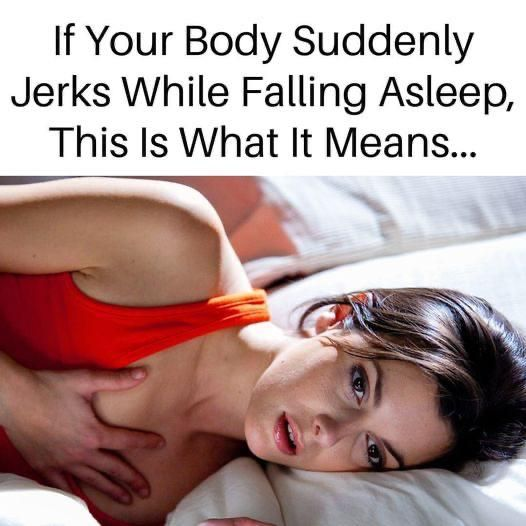
You sit at your kitchen table on an ordinary afternoon, thinking back to those moments when you are just drifting off to sleep and your body suddenly jerks awake, almost as if you are falling. This common experience, known as a hypnic jerk or sleep start, happens to millions of people every night. For many grandparents who value deep, restful sleep while carefully protecting retirement savings and home equity, understanding why these jerks occur can help reduce worry and improve overall wellness without adding unnecessary medical costs or stress that quietly drains resources over time.
Hypnic jerks are sudden, involuntary muscle contractions that typically happen during the transition from wakefulness to sleep. They often feel like a falling sensation or an electric shock through the body. Scientists believe they are a natural part of the brain’s process as it shifts from conscious control to the relaxed state of sleep. During this phase, the brain can misinterpret the relaxing muscles as a sign of falling, triggering a quick protective response to “catch” yourself.
Common triggers include stress, anxiety, caffeine or stimulant intake late in the day, intense exercise close to bedtime, irregular sleep schedules, and even certain medications. For older adults, these jerks can become more noticeable due to changes in sleep patterns, reduced muscle tone, or underlying conditions like sleep apnea or restless legs syndrome. While usually harmless, frequent or intense jerks can disrupt sleep quality and leave you feeling more tired during the day.
The practical reality for grandparents focused on staying independent and energetic with grandchildren is clear. Poor sleep from frequent hypnic jerks can quietly contribute to fatigue, reduced focus, higher stress levels, and even increased risk of falls or health issues that lead to expensive doctor visits and treatments. Better sleep supports stronger immune function, better mood, and clearer decision-making — all of which help protect the financial foundation you have worked so hard to build.
Simple lifestyle adjustments often reduce the frequency of these jerks. Maintaining a consistent sleep schedule, avoiding caffeine and heavy meals in the evening, practicing relaxation techniques like deep breathing or gentle stretching before bed, and creating a cool, dark sleep environment can make a noticeable difference. Many grandparents report fewer nighttime disturbances after making these low-cost or no-cost changes.
Understanding the science behind hypnic jerks also brings reassurance. They are a normal brain phenomenon and not usually a sign of a serious problem. However, if they are very frequent, accompanied by other symptoms like snoring, daytime sleepiness, or leg movements, it is wise to discuss them with your doctor to rule out underlying sleep disorders that could benefit from early attention.
This everyday sleep quirk reflects a deeper truth about protecting what matters. Just as paying attention to small nighttime signals can improve rest and reduce health costs, consistent attention to your daily habits and finances safeguards the retirement savings and home equity you have worked so hard to build for your grandchildren.
The quiet science behind why your body jerks when falling asleep lingers long after you drift off at night. These natural phenomena often encourage us to re-examine our sleep routines and the protective steps we take to maintain both health and financial stability for the future we want for our grandchildren.
As you reflect on the science behind why your body jerks when you sleep, along with the retirement savings and home equity you have spent years protecting, ask yourself this: what one small evening habit or relaxation practice could you try tonight that might strengthen your own legacy, protect your retirement savings, and show your grandchildren the true meaning of thoughtful self-care and prevention?
Most Popular!
-
 The Heartbreaking Reality: Why Jelly Roll and Bunnie XO’s Fairytale Marriage Has Finally Imploded
-
Is That Tiny Canker Sore Actually a Death Sentence? The Silent Signs of Oral Cancer You’re Likely Ignoring
-
The Indecency Scandal: Why Bianca Censori’s Latest Cat Mask Ensemble Has the Public Demanding Her Arrest
-
The Secret Message from Beyond: Why Cemetery Officials Are Desperate to Destroy This Man’s Final Tribute
-
The Miracle Weed: Why This Common Backyard Menace Is Worth Its Weight in Gold
-
The Innocent Selfie That Ended a Wedding: How One Tiny Detail Destroyed Everything
-
The Secret Whisper That Left a Nation Stunned: What Trump Actually Said to the Fighter Who Insulted Michelle Obama
-
These Mind-Bending Riddles Are Humiliating Millions Online — Can You Solve Them Without Losing Your Mind?