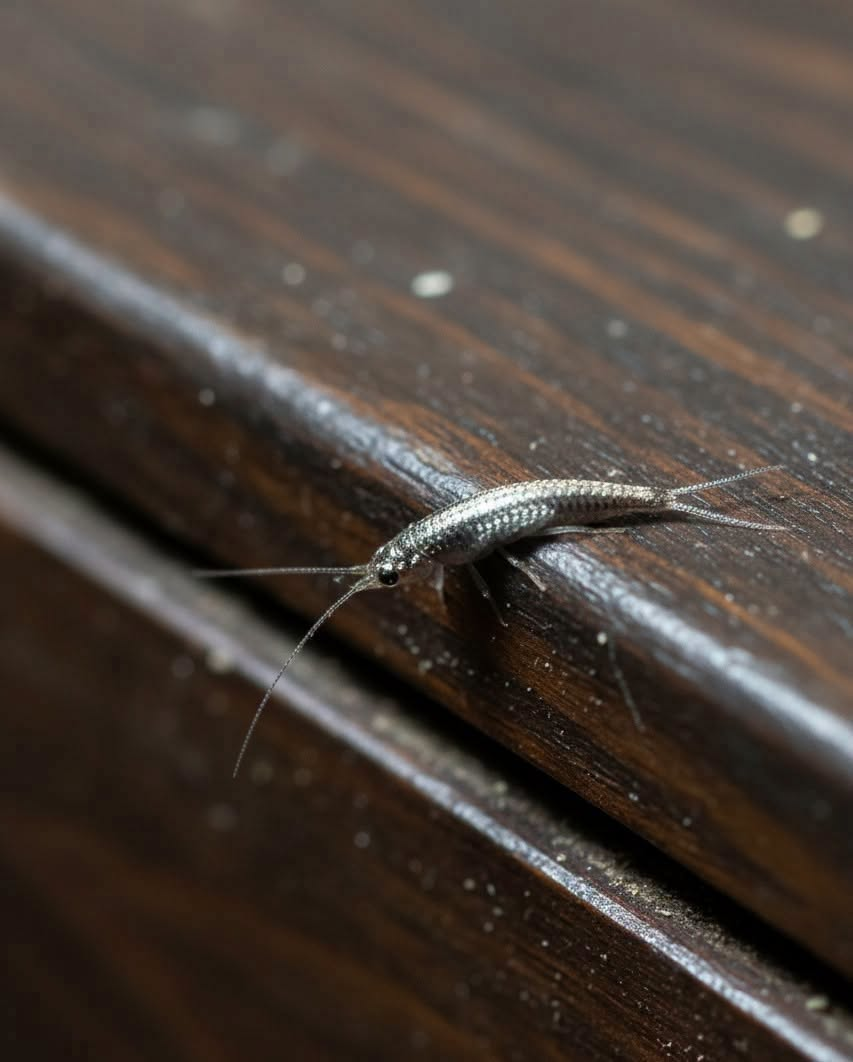
Silverfish represent ancient pests that continue thriving in modern homes despite their prehistoric origins. These silvery, fast-moving insects cause significant damage to household items while remaining largely unnoticed until infestations become severe. Their preference for damp, dark environments makes bathrooms, basements, and kitchens prime locations for colonization. Understanding silverfish behavior and implementing effective control measures helps protect homes from their destructive presence.
Silverfish have survived for hundreds of millions of years due to remarkable adaptability and resilience. Their metallic appearance and fish-like movement give them distinctive look that often causes alarm when spotted. They thrive in high humidity environments and feed on starchy materials including paper, glue, and fabric. This diet makes books, photographs, clothing, and wallpaper particularly vulnerable to their feeding habits.
Common signs of silverfish infestation include sightings of the insects themselves, particularly at night when they become active. Shed skins and small black droppings provide additional evidence of their presence. Irregular holes in paper products or yellow stains on fabrics indicate feeding activity. Musty odors in certain areas may signal larger colonies established in hidden spaces.
High humidity levels above seventy percent create ideal conditions for silverfish reproduction and survival. Leaking pipes, poor ventilation, and cluttered storage areas contribute to moisture problems that attract these pests. Reducing humidity through dehumidifiers and proper ventilation helps make environments less hospitable for silverfish colonies.
Sealing entry points prevents new silverfish from entering homes from outside. Cracks around windows, doors, and utility lines provide easy access for these flat-bodied insects. Caulking gaps and using door sweeps creates physical barriers that limit infestation risks. Regular inspection of potential entry areas helps maintain effective pest prevention.
Natural deterrents including cedar shavings, lavender, and certain essential oils help repel silverfish from specific areas. Diatomaceous earth provides non-toxic option that dehydrates insects upon contact. These methods work best as part of comprehensive approach combining environmental modification with direct control measures.
Professional pest control becomes necessary when infestations persist despite home remedies. Targeted treatments address hidden colonies while minimizing chemical exposure to residents. Integrated approaches combining professional services with preventive measures provide most effective long-term solutions. Regular monitoring helps catch problems before they escalate.
Silverfish do not transmit diseases or bite humans, making them primarily nuisance pests rather than health threats. However, their presence indicates moisture problems that may lead to other issues including mold growth. Addressing root causes improves overall home environment while eliminating silverfish habitats. This comprehensive approach provides multiple benefits beyond simple pest control.
Many homeowners underestimate silverfish problems until significant damage occurs to valuable items. Early detection through regular inspection helps prevent extensive destruction of books, documents, and clothing. Proper storage in airtight containers protects vulnerable materials from silverfish feeding. Preventive mindset creates more effective long-term management strategies.
Taking action against silverfish protects both property and peace of mind in affected homes. Understanding their preferences and vulnerabilities enables targeted control measures that work effectively. Combining environmental changes with appropriate treatments provides reliable solutions for eliminating these ancient pests. Homeowners who address silverfish problems promptly enjoy cleaner, safer living environments free from these destructive invaders.
Most Popular!
-
 Eggs, Cholesterol, and Timing: What Actually Matters for Most People
-
When a Partner Leaves With More Than a Suitcase: Protecting Yourself From Financial Betrayal
-
When Financial Support Meets Contempt: Recognizing Exploitation Inside a Marriage
-
Why Some Sensory Toys and Household “Hacks” Do Not Belong in the Microwave
-
When Grief Clouds Judgment: Misreading Silence and the Quiet Ways People Show Care
-
When One Partner Does All the Hosting: Recognizing Imbalance Before Resentment Takes Over
-
How Many Holes Are in a T-Shirt? What a Simple Puzzle Reveals About How We See
-
The Quiet Stories Inside Secondhand Objects: When a Thrift-Store Find Carries Someone Else’s History