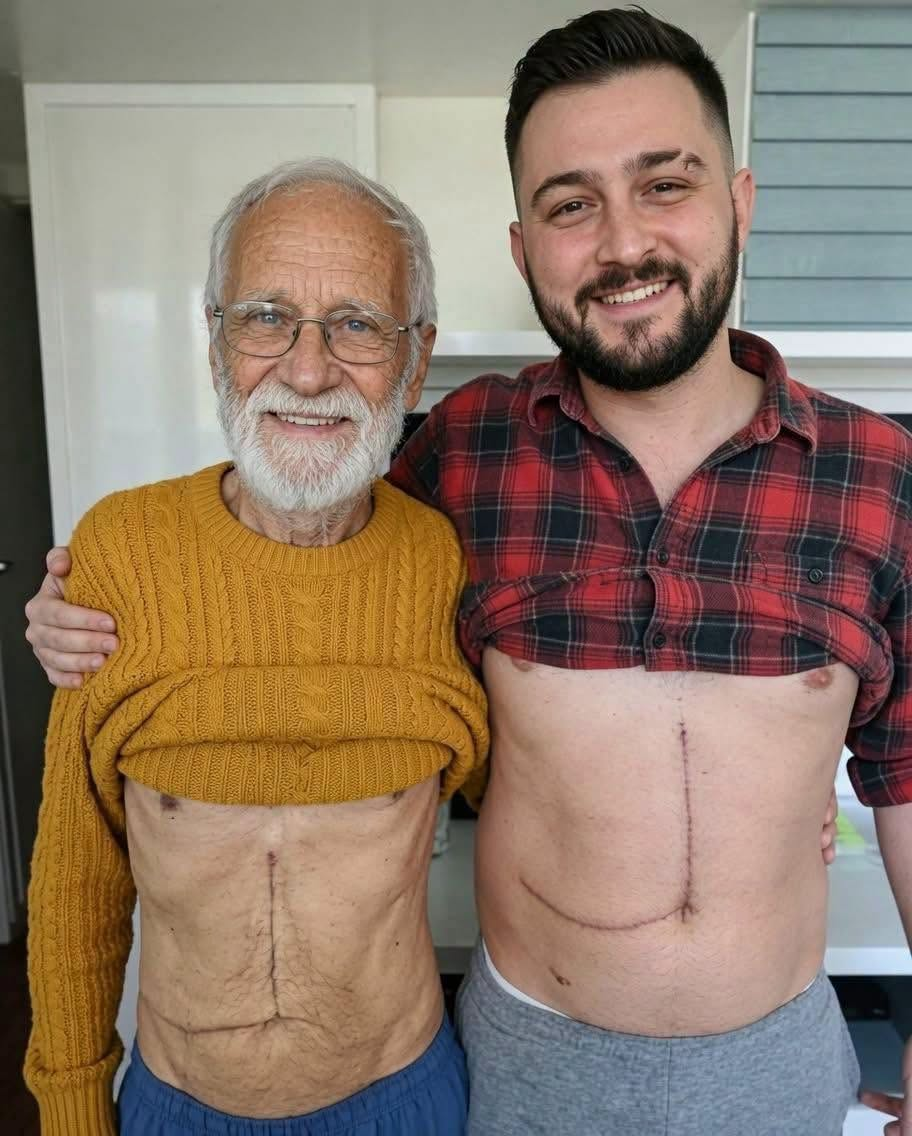
Living liver donation represents remarkable medical advancement allowing healthy individuals to save lives of those with liver failure. This procedure involves removing portion of donor’s liver for transplantation into recipient. The remaining liver tissue regenerates over time restoring near-normal function for donor. However, this life-saving option involves significant risks and complex recovery process that potential donors must fully understand before making decision.
The surgery represents major operation requiring extensive preoperative evaluation and preparation. Donors undergo comprehensive medical and psychological screening to ensure suitability for procedure. This process helps identify potential complications while confirming donor’s understanding of risks involved. Mental preparation becomes crucial as surgery affects both physical health and emotional well-being of participants.
Recovery period following donation proves challenging with significant pain and fatigue common during initial weeks. Donors often require extended hospital stays followed by lengthy home recovery. Physical limitations during healing process affect daily activities and work responsibilities. Support systems play vital role in helping donors navigate practical challenges during rehabilitation.
Long-term effects of donation vary among individuals with most experiencing successful regeneration and return to normal function. However, some donors face complications including infection, bleeding, or bile duct problems requiring additional medical intervention. Regular follow-up care helps monitor liver function while addressing any ongoing health concerns. Understanding these possibilities helps set realistic expectations about post-donation life.
Psychological impact of donation extends beyond physical recovery for many individuals. Emotional adjustment to altered body and potential complications creates stress that requires support. Family dynamics often shift as roles change during recovery period. Professional counseling helps donors process complex feelings while maintaining mental health throughout journey.
Recipient outcomes depend on various factors including underlying condition and compatibility with donor liver. Successful transplants provide extended life and improved quality for those facing liver failure. However, procedure carries risks for both parties making careful consideration essential before proceeding. Medical teams work to optimize success rates while minimizing complications.
Ethical considerations surrounding living donation focus on informed consent and voluntary participation. Potential donors must understand risks without pressure from family or medical professionals. Financial implications including lost wages and medical costs require careful planning before surgery. Support programs help address these practical concerns for qualified donors.
Medical advancements continue improving safety and outcomes for living liver donation procedures. Refined surgical techniques and better postoperative care reduce complication rates over time. Increased awareness helps more people consider donation while understanding realistic expectations. Educational efforts ensure informed decision-making among potential donors.
Living donation provides hope for patients facing limited options due to organ shortage. This procedure helps address waiting list challenges while offering immediate transplantation when suitable donor available. Success stories demonstrate life-changing impact possible through generous acts of strangers and family members. Continued research supports expansion of safe donation practices.
Making decision about living liver donation requires careful consideration of personal circumstances and health status. Thorough evaluation helps potential donors understand individual risks and benefits. Support from medical teams and family members aids decision-making process while ensuring appropriate care throughout journey. This medical miracle offers hope while demanding respect for complex realities involved.
Most Popular!
-
 Eggs, Cholesterol, and Timing: What Actually Matters for Most People
-
When a Partner Leaves With More Than a Suitcase: Protecting Yourself From Financial Betrayal
-
When Financial Support Meets Contempt: Recognizing Exploitation Inside a Marriage
-
Why Some Sensory Toys and Household “Hacks” Do Not Belong in the Microwave
-
When Grief Clouds Judgment: Misreading Silence and the Quiet Ways People Show Care
-
When One Partner Does All the Hosting: Recognizing Imbalance Before Resentment Takes Over
-
How Many Holes Are in a T-Shirt? What a Simple Puzzle Reveals About How We See
-
The Quiet Stories Inside Secondhand Objects: When a Thrift-Store Find Carries Someone Else’s History