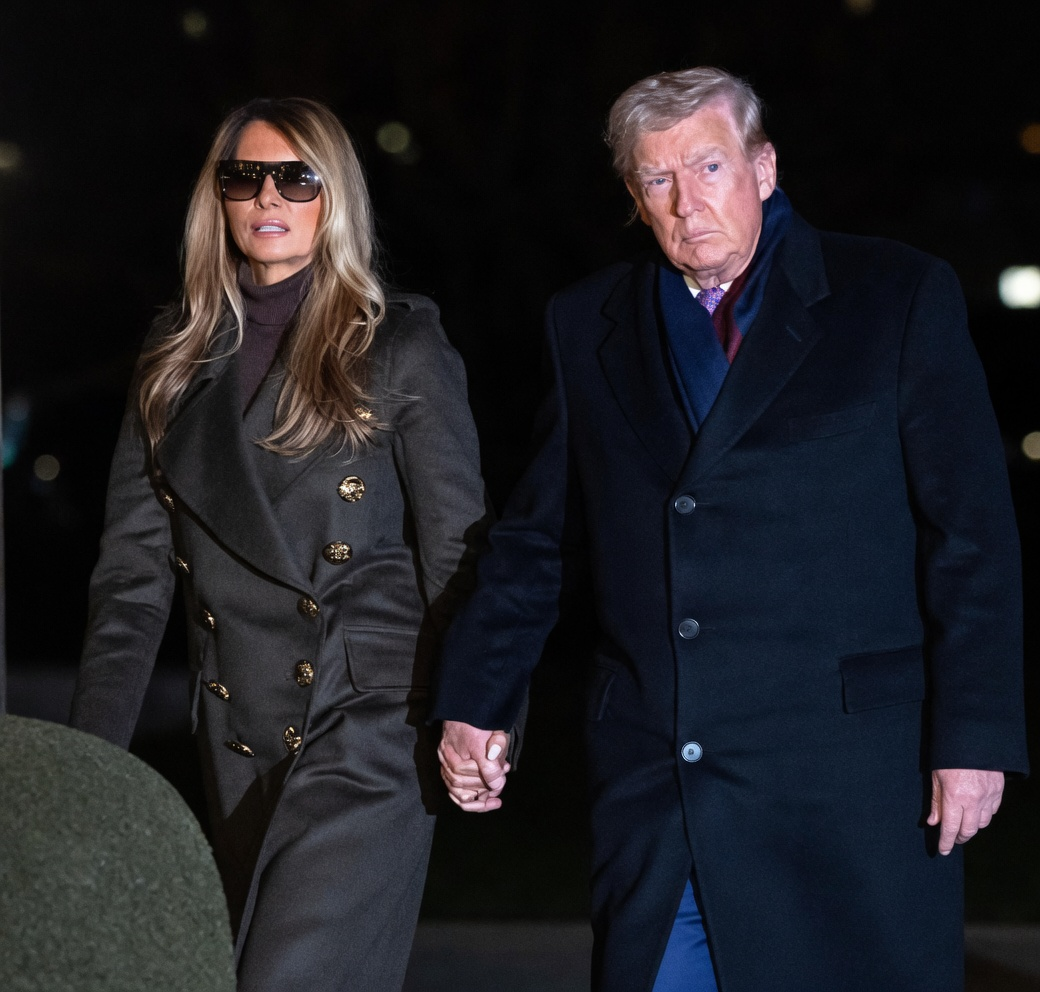
Washington has always been a city of visible battles and invisible hands. While presidents, senators, and pundits dominate the headlines, a quieter web of influence often pulls the real strings behind the scenes. For years, Donald Trump has positioned himself as the ultimate outsider determined to expose and dismantle these entrenched networks. His recent aggressive pushback — through public statements, legal maneuvers, and strategic alliances — isn’t just political theater. It reflects a deeper, ongoing war against what he and his supporters see as an unaccountable system that protects itself at the expense of everyday Americans.
This tension has reached new heights in recent months. Trump has repeatedly claimed that powerful interests in government agencies, major corporations, and legacy media have worked in coordination to undermine his agenda and personal freedom. Whether one agrees with his assessment or not, the intensity of the conflict reveals fractures in American institutions that go far beyond typical partisan disputes. It’s a battle over who truly holds power in the modern era: elected officials chosen by voters, or permanent bureaucratic and financial structures that outlast any single administration.
The concept of a “deep state” has become a lightning rod in political discourse. Critics dismiss it as a conspiracy theory, while proponents point to career officials who seem to operate with little oversight, leaking information, shaping policy behind closed doors, and resisting elected leadership. Trump’s supporters argue that his first term exposed how these networks function — from intelligence community controversies to regulatory resistance and media coordination. His current strategy appears focused on shining a brighter light on these dynamics, forcing them into public view where they can be debated and challenged.
What makes this moment particularly explosive is the personal stakes involved. Trump has faced multiple legal challenges, financial pressures, and sustained media scrutiny that many view as unprecedented. His response has been characteristically combative, framing these battles not as personal vendettas but as part of a larger struggle to restore accountability to government. Whether this approach strengthens or weakens democratic norms remains hotly contested, with reasonable voices on both sides offering compelling arguments.
At the heart of the conflict lies a fundamental question about institutional trust. Decades of partisan warfare, intelligence overreach, and revolving-door relationships between government and industry have eroded public confidence. Polls consistently show declining faith in Congress, federal agencies, and mainstream media. Trump’s movement taps directly into this disillusionment, promising to return power to the people by confronting the permanent structures that many feel have grown too powerful and insulated from accountability.
Critics counter that Trump’s rhetoric and actions risk undermining vital institutions that protect democratic stability. They worry that constant attacks on the “system” could encourage cynicism and weaken the guardrails that prevent authoritarian drift. From this perspective, the real danger isn’t hidden power networks but the erosion of norms that allow government to function across administrations. The debate has become less about specific policies and more about competing visions of how power should operate in a constitutional republic.
Financial influence remains one of the most contentious elements in this power struggle. Lobbying spending continues to reach record levels, with major corporations, foreign interests, and advocacy groups pouring billions into shaping legislation and regulation. Trump has long criticized this system, promising to drain the swamp of special interests. His opponents point out that his own orbit has included wealthy donors and business connections, raising questions about consistency. The truth likely lies somewhere in the messy middle — a system where money talks loudly regardless of who occupies the White House.
The personal dimension of this conflict cannot be ignored. Trump’s larger-than-life persona has always invited strong reactions. Supporters see him as a necessary disruptor willing to take on sacred cows. Detractors view him as a destabilizing force whose methods threaten democratic traditions. This polarization has made objective analysis difficult, with media coverage often reflecting tribal loyalties rather than neutral reporting. In such an environment, separating legitimate concerns from partisan warfare becomes increasingly challenging for ordinary citizens.
Looking ahead, the coming months and years will test whether this digital-age uprising for accountability produces meaningful reform or simply deepens existing divisions. Trump’s continued prominence ensures the conversation about power structures will remain front and center. His willingness to challenge institutions that many consider untouchable has forced a national reckoning, even if the outcomes remain uncertain. The stakes extend far beyond one man’s political fortunes — they touch on the core question of whether American democracy can adapt to new realities while preserving its foundational principles.
For everyday Americans watching from the sidelines, the drama in Washington often feels distant and theatrical. Yet the underlying issues — accountability, transparency, and institutional integrity — affect every aspect of national life, from economic policy to personal freedoms. The intensity of the current moment reflects a broader societal demand for honesty and fairness that transcends traditional political boundaries. Whether Trump’s approach ultimately serves that demand or complicates it will be judged by history.
In the end, power in Washington has always involved both visible leaders and unseen influences. The current clash represents a rare moment when those hidden dynamics have been dragged into the spotlight for public examination. How the nation responds — with cynicism, reform, or renewed commitment to democratic principles — may define the country’s trajectory for decades to come. The battle lines are drawn, the players are engaged, and the American people remain the ultimate arbiters of what comes next.
Most Popular!
-
 The Ultimate Wedding Revenge: When the Mother Who Abandoned Her Six Daughters Showed Up with Her Millionaire Boss, the Bride Opened a Box That Destroyed Lives Forever
-
The Beach Shaming Disaster: What My 8-Year-Old Said to the Prying Stranger Left Everyone Speechless
-
My Husband Abandoned Me With Twin Babies for a Luxury Fishing Trip — When He Returned, I Had Already Packed His Bags
-
The Three-Dollar Miracle: How a Dust-Covered Vase Revealed a Heartbreaking Decades-Old Secret
-
The $80,000 Battle to Erase a Birthmark: Why One Mother Risked Everything for Her Daughter’s Future
-
The Silent Thief: Why Millions of Men Are Living with a Time Bomb They Can’t See
-
The Final Curtain Falls: Beloved Sanford and Son Legend Hal Williams Gone at 91
-
Found at a Yard Sale: This “Useless” Vintage Contraption Is Actually a Forgotten Piece of Human History