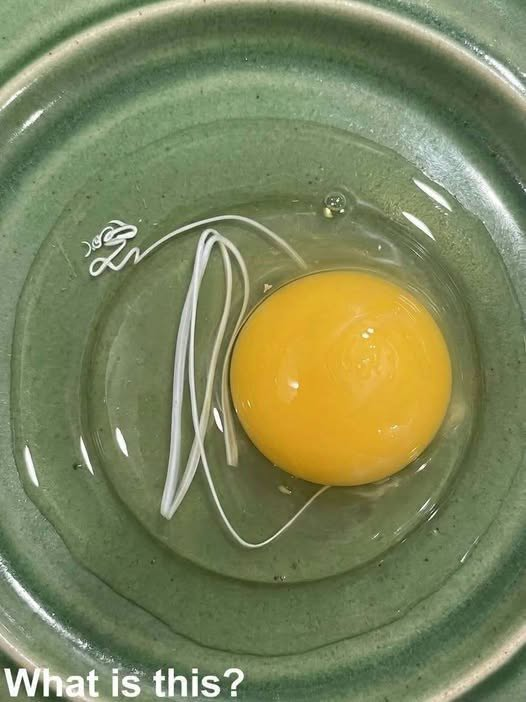
You crack open an egg for your morning scramble or omelet, and there it is — a bright red spot staring back at you from the yolk or floating in the white. Your stomach drops. Is the egg spoiled? Is it contaminated? Should you throw the whole carton away? For millions of home cooks, this moment of breakfast horror is all too familiar. But here’s the surprising truth that might change how you look at those little red flecks forever: in most cases, that “terrifying” discovery is actually completely harmless and can even be a sign of a fresh, high-quality egg. Understanding what those spots really mean can save you from unnecessary waste and needless worry in the kitchen.
The red spot you sometimes see in eggs is known as a blood spot or meat spot. Contrary to popular belief, it’s not a sign that the egg is fertilized or that a baby chick is developing inside. It’s simply a small rupture of a blood vessel on the yolk’s surface during the egg’s formation inside the hen. This is a natural occurrence that happens more frequently in younger hens or those of certain breeds. The spot itself is perfectly safe to eat — it’s just blood, after all — and has no impact on the egg’s nutritional value or flavor. Many chefs and experienced cooks actually consider blood spots a mark of freshness, as they tend to fade or disappear as eggs age.
The confusion around blood spots stems from outdated myths and simple misunderstanding. In the past, before widespread refrigeration and quality control, people associated any unusual marking in an egg with spoilage or contamination. Today’s commercial egg production involves rigorous inspection processes that remove most eggs with significant defects before they reach stores. The occasional blood spot that slips through is harmless and far more common than many realize. In fact, small blood spots appear in roughly one out of every 30 eggs or so, depending on the producer and season.
For those who find the idea of eating a blood spot unappetizing, removal is simple. Just use the edge of a eggshell or a clean utensil to lift it out before cooking. The rest of the egg remains perfectly good. If you’re particularly sensitive to the appearance, opting for pasteurized liquid eggs or egg whites can eliminate the issue entirely, though you’ll miss out on some of the nutritional benefits found in whole eggs. Understanding that these spots are natural can help reduce food waste and the unnecessary discarding of perfectly edible eggs.
Beyond blood spots, other “terrifying” discoveries in eggs often turn out to be benign as well. Small dark specks are usually bits of the hen’s reproductive tract or harmless debris. Cloudy egg whites indicate freshness, as the cloudiness comes from carbon dioxide that dissipates as eggs age. Even the occasional double yolk, while surprising, is simply the result of two yolks being released at once and is perfectly safe. These natural variations remind us that eggs are biological products rather than manufactured items, and some irregularity is normal.
The nutritional power of eggs makes understanding these quirks even more important. Eggs are nutritional powerhouses, providing high-quality protein, healthy fats, vitamins, and minerals in an easily digestible package. One large egg contains about 6 grams of protein, significant amounts of choline for brain health, lutein and zeaxanthin for eye health, and various B vitamins. The idea that a small red spot somehow makes this nutritional package dangerous is simply not supported by science. In fact, many small-scale or backyard egg producers proudly point to occasional blood spots as evidence of truly fresh, pasture-raised eggs.
For those concerned about food safety in general, proper handling remains key. Store eggs in the refrigerator, cook them thoroughly when preparing dishes like scrambled eggs or casseroles, and discard any eggs with cracked shells or unusual odors. The rare instances of salmonella contamination are more likely to come from improper handling after purchase rather than from natural markings like blood spots. Washing your hands after handling raw eggs and cleaning preparation surfaces helps minimize any risk.
The psychological aspect of food aversions is worth noting as well. Many people have strong negative reactions to unexpected elements in their food, even when those elements are harmless. This response is natural and protective, but education can help overcome unnecessary fear. Learning about how eggs are formed and why variations occur can transform breakfast anxiety into appreciation for nature’s complexity. The next time you find a blood spot, consider it a small reminder that your egg came from a living creature rather than a factory.
For parents, this knowledge can be particularly valuable. Teaching children about where food comes from, including the natural imperfections in fresh produce and animal products, helps create more informed and less fearful eaters. A simple explanation about blood spots can turn a potential meltdown over breakfast into a mini science lesson. Many kids actually find the idea fascinating once they understand it’s just a little bit of blood from the hen and completely safe.
Restaurants and professional kitchens have long understood that blood spots are normal and harmless. High-end chefs often use eggs with minor imperfections without hesitation, recognizing that quality isn’t determined by cosmetic perfection. This professional acceptance can reassure home cooks that they’re not being careless by using eggs with small red spots. The focus should remain on proper storage, cooking, and overall freshness rather than eliminating every minor variation.
The “breakfast nightmare” of finding an unexpected spot in your egg is largely a product of misinformation and unrealistic expectations about food. Nature isn’t uniform or perfect, and fresh eggs reflect that reality. By understanding what those spots actually are — and what they aren’t — you can cook with greater confidence and waste far less food. Your morning eggs are probably just fine, even with that little red surprise waiting inside.
The next time you crack an egg and see something unexpected, take a breath. More often than not, it’s completely normal and safe. That tiny red spot isn’t a cause for alarm — it’s just a reminder that real food comes with real, natural variations. Embrace the imperfection, enjoy your breakfast, and remember that sometimes the things that look scary at first turn out to be perfectly harmless. Your eggs — and your peace of mind — will thank you for it.
Most Popular!
-
 The Final Curtain Call: The Heartbreaking Truth Behind Daytime TV Legend Phil Donahue’s Passing
-
The Silent Killer on Your Breakfast Table: Are You Eating Your Way to a Diabetic Crisis?
-
The Painful Price of Fashion: Victoria Beckham’s Walk of Fame Appearance Sparks Horrifying Health Concerns
-
The Bizarre Highway Mystery: Why Thousands of Drivers Are Flipping Their Home State Upside Down
-
The Machala Massacre: Inside the Terrifying Prison Riot That Left 31 Inmates Dead
-
The Poolside Betrayal: My Neighbor Hijacked My Home While I Was Away — But I Returned Early to Destroy Her Reputation
-
The Principal’s Mic Drop: Why the Graduation Ceremony Stopped Dead When the Coal Miner Walked In
-
Tragedy Strikes: The Heartbreaking Truth Behind Kurt Russell’s Hidden Battle