That uncomfortable itch or burning sensation in the groin area is something most people prefer to ignore or treat quickly with over-the-counter creams. It feels embarrassing to talk about, easy to dismiss as “just a rash,” and often goes away on its own after a few days. But what if that seemingly minor irritation is actually your body’s warning sign of something deeper? Groin discomfort can stem from simple causes like friction or sweat, but it can also signal infections, allergic reactions, or even underlying medical conditions that require professional attention. Ignoring it for too long can lead to worsening symptoms, chronic discomfort, or complications that affect your daily life and overall health.
The groin region is uniquely vulnerable because of its warm, moist environment and constant movement. Sweat, tight clothing, and skin-on-skin contact create the perfect conditions for irritation. For many men and women, this manifests as redness, itching, scaling, or a burning feeling that intensifies after exercise or throughout the day. While these symptoms are often linked to common fungal infections like jock itch (tinea cruris), they can also point to bacterial overgrowth, yeast infections, contact dermatitis from soaps or laundry detergents, or even pubic lice. Understanding the difference between a temporary annoyance and something that needs medical care is crucial for preventing unnecessary suffering.
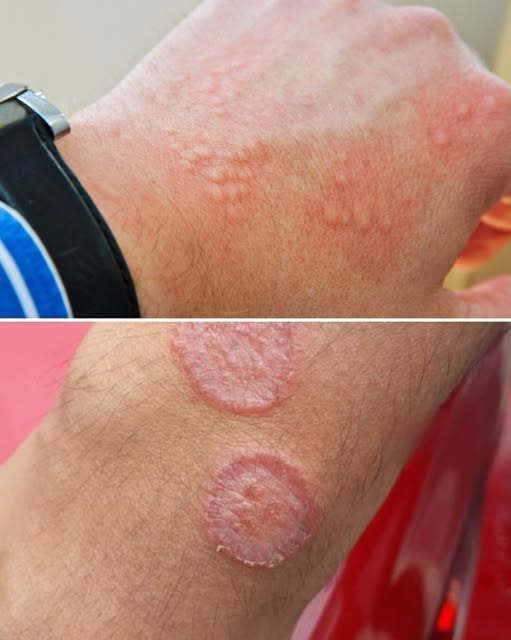
One of the most frequent culprits is indeed a fungal infection. The same fungi responsible for athlete’s foot thrive in the groin’s dark, humid folds. Jock itch typically starts as a red, ring-shaped rash that spreads outward, often accompanied by intense itching that worsens with sweating. It’s highly contagious and can spread through shared towels, gym equipment, or close personal contact. While antifungal creams usually clear it up within a couple of weeks, recurring cases may signal a need for lifestyle changes — such as wearing breathable underwear, showering immediately after workouts, and keeping the area thoroughly dry.
Women often experience similar symptoms from yeast infections or bacterial vaginosis, which can extend to the groin area and cause significant discomfort. Hormonal changes, antibiotics, diabetes, or a weakened immune system can trigger these imbalances. The irritation might come with unusual discharge, odor, or swelling that feels different from simple chafing. Many people feel embarrassed seeking help for these issues, but early treatment prevents the problem from spreading or becoming chronic. A simple visit to a doctor or gynecologist can provide clarity and effective solutions rather than months of guessing and self-treatment.
Beyond infections, allergic reactions and skin conditions deserve attention. New laundry detergents, fabric softeners, soaps, or even certain types of underwear can trigger contact dermatitis in sensitive skin. The resulting redness, itching, and sometimes blistering can mimic infections but won’t respond to antifungal creams. Identifying and eliminating the trigger is key. Switching to fragrance-free, hypoallergenic products and opting for cotton underwear can make a dramatic difference. In some cases, a mild steroid cream prescribed by a doctor helps calm the inflammation while the skin heals.
More serious conditions can also present with groin irritation as an early warning sign. Hernias, particularly inguinal hernias, may start with discomfort or a pulling sensation in the groin that worsens with activity. Sexually transmitted infections like herpes, syphilis, or chlamydia can cause sores, itching, or unusual bumps that people mistakenly attribute to razor burn or simple irritation. Lymph node swelling or persistent pain might indicate something systemic that requires prompt medical evaluation. The key is paying attention to patterns — does the discomfort come and go, or is it getting progressively worse? Are there other symptoms like fever, fatigue, or changes in urination?
Lifestyle factors play a surprisingly large role in preventing and managing groin irritation. Tight synthetic clothing traps moisture and heat, creating an environment where bacteria and fungi thrive. Switching to loose, breathable fabrics, especially during exercise, significantly reduces risk. Proper hygiene matters too — gentle cleansing with mild soap, thorough drying, and avoiding harsh scrubbing that can damage the skin barrier. For those who sweat heavily, carrying wipes or a small towel for quick freshening up after workouts can prevent problems before they start.
Diet and overall health also influence skin health in the groin area. High sugar intake can feed yeast overgrowth, while dehydration makes skin more prone to cracking and irritation. Maintaining a balanced diet rich in fruits, vegetables, and probiotics supports the body’s natural defenses. Managing conditions like diabetes carefully is especially important, as elevated blood sugar creates an environment where infections flourish more easily.
For many people, the embarrassment factor prevents them from seeking help until the problem becomes unbearable. This delay often turns a simple issue into a more complicated one requiring stronger treatments or longer recovery times. Healthcare providers see these cases regularly and approach them with professionalism and zero judgment. A quick conversation and possibly a culture or examination can identify the exact cause and lead to targeted relief. There’s no shame in taking care of your body — it’s a sign of self-respect and responsibility.
Parents should also pay attention to children experiencing groin discomfort. In kids, irritation can stem from poor hygiene, tight clothing, or even pinworms in some cases. Teaching proper cleaning habits and choosing breathable fabrics early helps prevent recurring issues. For teenagers, open conversations about body changes and hygiene become especially important as they navigate puberty and increased physical activity.
The good news is that most cases of groin irritation respond well to simple interventions once properly identified. Over-the-counter antifungal or hydrocortisone creams work for many common causes, while prescription options handle more stubborn infections. Lifestyle adjustments often provide the longest-lasting relief by addressing root causes rather than just symptoms. Consistency with these changes prevents the cycle of recurring discomfort that many people accept as normal.
Taking groin health seriously doesn’t mean becoming obsessive about every minor sensation. It means listening to your body and responding appropriately when something feels persistently wrong. Regular self-checks during showers, paying attention to patterns, and seeking professional input when needed create a balanced approach that protects both comfort and long-term health. Your body gives you signals for a reason — learning to interpret them accurately can prevent minor annoyances from becoming major problems.
If you’ve been dealing with ongoing groin irritation that doesn’t improve with basic care, don’t wait any longer. Schedule that appointment and get clear answers. The relief that comes from proper diagnosis and treatment is worth any temporary discomfort of discussing it. Many people report feeling dramatically better once they address the root cause rather than masking symptoms.
Your groin area deserves the same attention and care you give to the rest of your body. By understanding the potential causes, practicing good prevention habits, and seeking help when needed, you can keep this sensitive region healthy and comfortable. That persistent itch or burning doesn’t have to be your normal. With awareness and the right approach, you can resolve it and get back to feeling confident and comfortable in your own skin.
The next time you feel that familiar discomfort, remember that it might be more than just a minor annoyance. Listen to what your body is trying to tell you, take appropriate action, and don’t hesitate to get professional guidance. Your health and comfort are worth it — and addressing these issues early often leads to the quickest, most complete resolution possible. Small changes in daily habits combined with timely medical care can make all the difference in preventing recurring problems and maintaining overall well-being.
Most Popular!
-
 The Heartbreaking Reality: Why Jelly Roll and Bunnie XO’s Fairytale Marriage Has Finally Imploded
-
Is That Tiny Canker Sore Actually a Death Sentence? The Silent Signs of Oral Cancer You’re Likely Ignoring
-
The Indecency Scandal: Why Bianca Censori’s Latest Cat Mask Ensemble Has the Public Demanding Her Arrest
-
The Secret Message from Beyond: Why Cemetery Officials Are Desperate to Destroy This Man’s Final Tribute
-
The Miracle Weed: Why This Common Backyard Menace Is Worth Its Weight in Gold
-
The Innocent Selfie That Ended a Wedding: How One Tiny Detail Destroyed Everything
-
The Secret Whisper That Left a Nation Stunned: What Trump Actually Said to the Fighter Who Insulted Michelle Obama
-
These Mind-Bending Riddles Are Humiliating Millions Online — Can You Solve Them Without Losing Your Mind?