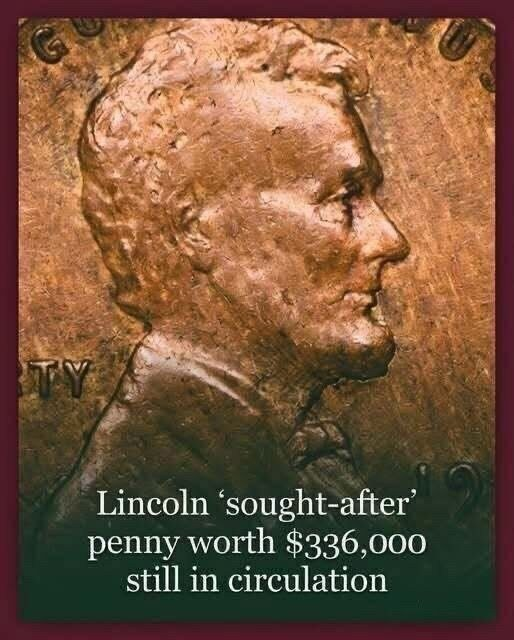
Most people don’t think twice when they receive a penny in change. It gets dropped into a jar, used for parking meters, or simply ignored. But one particular year produced a penny so rare that finding even a single authentic example can completely change someone’s financial situation. The 1943 bronze Lincoln cent has become one of the most famous error coins in American history, and stories of ordinary people discovering one continue to capture public imagination.
During World War II, the United States Mint stopped using copper for pennies to conserve the metal for the war effort. Instead, they switched to zinc-coated steel planchets. This change was supposed to be complete, but a small number of bronze planchets from 1942 were left in the presses. As a result, a handful of 1943 pennies were accidentally struck in bronze instead of steel. Experts believe fewer than twenty genuine examples exist, making them extraordinarily rare.
The value of these coins comes from both their scarcity and their historical significance. While regular 1943 steel pennies are common and worth very little, authentic bronze versions have sold at auction for hundreds of thousands of dollars. One particularly well-preserved example reportedly changed hands privately for over a million dollars. For most collectors, even finding a lower-grade authentic specimen would be life-changing.
Identifying a potential 1943 bronze penny requires a few simple tests, though none of them are completely foolproof on their own. The first and easiest check is weight. A genuine bronze 1943 penny should weigh approximately 3.11 grams, while the common steel version weighs only about 2.7 grams. A precise digital scale can help with this measurement.
Another quick test involves a magnet. Steel pennies are magnetic and will stick to one, while bronze pennies are not. If your 1943 penny doesn’t react to a magnet, it’s worth investigating further. However, this test alone isn’t enough because some counterfeiters have created bronze-plated steel pennies to fool collectors.
Visual inspection can also provide clues. Authentic bronze pennies from 1943 tend to show different wear patterns and color compared to steel cents. They often have a warmer, coppery tone rather than the grayish appearance of steel. Still, because sophisticated fakes exist, any coin that passes these initial tests should be professionally authenticated before anyone assumes it has significant value.
One of the most famous modern discoveries happened when a teenager in Massachusetts found a 1943 bronze penny in his lunch money. After getting it authenticated, he sold it for more than $200,000. Stories like this fuel the ongoing hunt through jars of old coins and pocket change. While such dramatic finds are extremely rare, they keep the dream alive for many casual collectors.
If you think you might have a 1943 bronze penny, the safest next step is to take it to a reputable coin dealer or submit it to a professional grading service. Organizations like PCGS or NGC can authenticate the coin and provide an official grade. This process protects you from both disappointment and potential scams, since the market for these coins has attracted counterfeiters over the years.
It’s important to keep expectations realistic. The vast majority of 1943 pennies found in circulation are the common steel variety. Even among the rare bronze examples, condition makes an enormous difference in value. A heavily worn coin will be worth significantly less than one that has been well preserved. Professional authentication is the only way to know for certain what you have.
Beyond the potential financial reward, searching for these rare pennies can be an enjoyable hobby. It encourages people to look more closely at everyday objects and learn about American history along the way. The 1943 bronze cent represents a small but fascinating moment when wartime necessity accidentally created something extraordinary.
Whether you ever find one of these legendary coins or not, the hunt itself can be rewarding. It reminds us that valuable things sometimes hide in plain sight, waiting for someone curious enough to pay attention. So the next time you receive a handful of change, it might be worth taking a closer look — especially if you spot a 1943 penny among the rest. You never know when an ordinary moment might turn into an extraordinary discovery.
Most Popular!
-
 Eggs, Cholesterol, and Timing: What Actually Matters for Most People
-
When a Partner Leaves With More Than a Suitcase: Protecting Yourself From Financial Betrayal
-
When Financial Support Meets Contempt: Recognizing Exploitation Inside a Marriage
-
Why Some Sensory Toys and Household “Hacks” Do Not Belong in the Microwave
-
When Grief Clouds Judgment: Misreading Silence and the Quiet Ways People Show Care
-
When One Partner Does All the Hosting: Recognizing Imbalance Before Resentment Takes Over
-
How Many Holes Are in a T-Shirt? What a Simple Puzzle Reveals About How We See
-
The Quiet Stories Inside Secondhand Objects: When a Thrift-Store Find Carries Someone Else’s History







