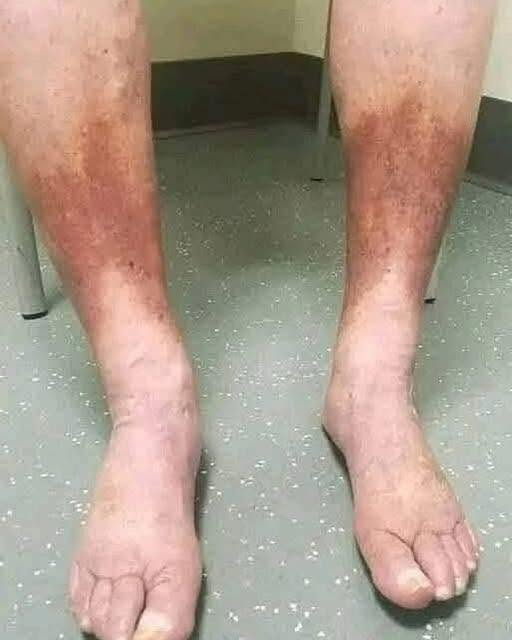
You kick off your shoes after a long day, only to find your feet and ankles looking puffy and tight, like they belong to someone else. At first, you shrug it off as just another side effect of standing too long or eating too much salt. But when the swelling lingers for days, or worse, spreads to your legs, a quiet worry starts to creep in. Swollen feet, or edema, are incredibly common, yet many people dismiss them as temporary inconveniences rather than potential warning signs. Understanding what causes them, when they’re harmless, and when they signal something more serious can make all the difference in protecting your health and peace of mind. The truth is, your feet often serve as early messengers for issues happening deeper in the body, and learning to listen to them could literally save your life.
Swelling in the lower extremities happens when fluid builds up in the tissues, often due to gravity pulling it downward throughout the day. For many, it’s a temporary annoyance that resolves with rest and elevation. But for others, it becomes a recurring problem that affects mobility, comfort, and overall quality of life. The causes range from lifestyle factors to serious medical conditions, which is why paying attention to patterns and accompanying symptoms is so important. If you’ve ever wondered why your shoes feel tighter by evening or why your socks leave deep marks on your ankles, you’re not alone. Millions experience this, and the reasons are more varied than most realize.
One of the most frequent culprits is prolonged sitting or standing. Whether you’re behind a desk all day or on your feet for long shifts, your circulation can struggle to keep up. Gravity causes fluid to pool in the lower legs, leading to noticeable puffiness by the end of the day. This is especially common in jobs that don’t allow much movement. Simple solutions like taking short walks, doing ankle circles, or using compression socks can make a big difference. Many people find that elevating their feet for 15–20 minutes after work helps drain the excess fluid and reduces morning stiffness.
Diet plays a surprisingly large role as well. High sodium intake is a major trigger because salt causes the body to retain water. Processed foods, restaurant meals, and even seemingly healthy items like canned soups can push your daily sodium far above recommended levels. Reducing salt, drinking more water, and eating potassium-rich foods like bananas, spinach, and avocados can help balance fluids naturally. Many people notice dramatic improvement within just a few days of cleaning up their diet, proving that what you eat directly affects how your body handles fluid.
Pregnancy is another common time when swollen feet become an issue. As the body produces more blood and fluids to support the baby, and the growing uterus puts pressure on veins, swelling in the feet and ankles is almost expected. While usually harmless, sudden or severe swelling can sometimes signal preeclampsia, a serious condition that requires immediate medical attention. Pregnant women should monitor swelling closely and report any rapid changes or swelling in the hands and face to their doctor right away.
Certain medications can also cause fluid retention as a side effect. Blood pressure drugs, steroids, antidepressants, and even some pain relievers are known to contribute to swollen feet. If you started a new medication and noticed changes, it’s worth discussing with your doctor. They may adjust the dose, switch to a different option, or recommend lifestyle countermeasures to manage the side effect without compromising treatment.
Underlying health conditions often reveal themselves first through swollen feet. Heart problems, kidney disease, liver issues, and venous insufficiency can all cause fluid to accumulate because the body struggles to circulate or process it properly. If swelling is accompanied by shortness of breath, fatigue, changes in urination, or pain in the legs, it’s important to seek medical evaluation promptly. Catching these issues early can prevent more serious complications down the road. Doctors often start with simple blood tests and ultrasounds to rule out or confirm underlying causes.
Lymphatic system problems, such as lymphedema, can also lead to persistent swelling that doesn’t improve with elevation. This condition occurs when lymph fluid builds up due to damaged or blocked vessels, often after surgery, radiation, or infection. Unlike regular edema, lymphedema requires specialized treatment like manual drainage and compression therapy. Recognizing the difference between temporary swelling and chronic lymphatic issues is key to getting the right help.
Preventing swollen feet starts with daily habits that support healthy circulation. Staying active, maintaining a healthy weight, wearing comfortable shoes, and avoiding long periods of immobility are foundational steps. Simple exercises like calf raises, ankle pumps, and walking regularly can keep blood flowing properly. Compression stockings are another effective tool, especially for people who sit or stand for long periods. They gently squeeze the legs to help push fluid upward and reduce pooling.
When swelling becomes concerning, knowing when to seek medical advice is crucial. If the swelling is sudden and severe, affects only one leg, is accompanied by pain or redness, or doesn’t improve with rest and elevation, it’s time to see a doctor. These can be signs of a blood clot, infection, or heart issue that needs prompt attention. Don’t wait for it to get worse — early intervention often leads to better outcomes and prevents complications.
Managing swollen feet isn’t about eliminating every minor puffiness — it’s about understanding your body’s signals and responding appropriately. Many people find that combining lifestyle changes with occasional medical check-ups keeps the problem under control and improves overall health in the process. The feet truly are windows to the body’s internal workings, and paying attention to them can lead to discovering issues before they become serious.
If you’re dealing with swollen feet right now, start with the basics: drink more water, reduce salt, move regularly, and elevate your legs when possible. If those steps don’t bring relief, don’t hesitate to talk to your doctor. Your body is doing its best to communicate with you — listening carefully and acting thoughtfully is one of the kindest things you can do for yourself. Swollen feet may be common, but they don’t have to be your normal. With awareness and the right approach, you can keep them comfortable and healthy for years to come.
Most Popular!
-
 Donald Trump Releases Shocking Health Report but Critics Point to Hidden Details and Missing Data That Could Change Everything
-
The Unholy War Between the White House and the Vatican: Why JD Vance’s Shocking Accusation Against Pope Leo Has the Entire World Bracing for a Spiritual Collapse
-
Chilling Reports of US and Iran War Send Global Markets into Total Chaos as Truth Behind Downed Fighter Jet Finally Revealed
-
The Truth About What Happens to Your Body When You Eat Walnuts Every Day, According to Top Medical Experts
-
Brandi Passante Sends Internet Into Total Meltdown After Stunning New Beach Photos Go Viral Across Social Media
-
Where Are They Now: The Heartstopping True Story of Britain’s Youngest Parents Who Shocked the Nation at Fourteen Years Old
-
Why You Are Waking Up at One AM Every Night and the Shocking Spiritual Warning Your Body Is Trying to Send You Before It Is Too Late
-
Unprecedented Global Showdown as Trump Unleashes Chilling Two-Word Attack on Pope Leo Amid International Crisis