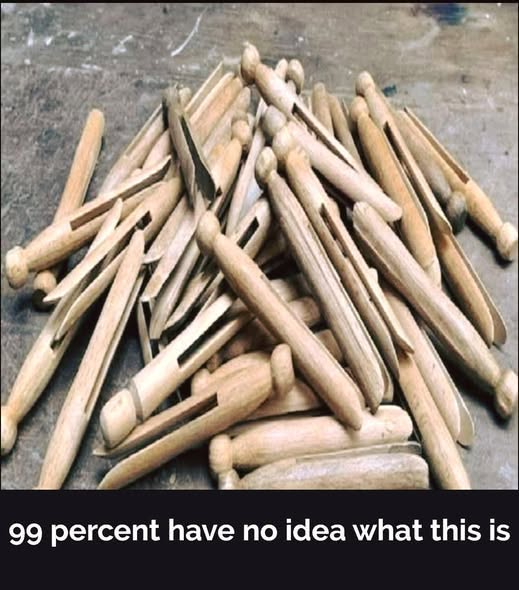
Every year, thousands of people stumble upon mysterious wooden objects while hiking, gardening, or simply walking their dogs in familiar neighborhoods. A weathered carving half-buried in the dirt, an oddly shaped tool handle poking out from under leaves, or a cluster of carved posts standing silently in the woods — these finds spark curiosity and endless online discussions. What were they used for? How old are they? And why were they left behind? The internet lights up with theories ranging from ancient rituals to forgotten farm equipment, but the real stories behind these wooden artifacts are often far more ordinary — and sometimes more fascinating — than the wild guesses. Understanding what these objects might be can turn a random discovery into a meaningful connection with the past.
One of the most commonly reported finds is the old wooden plow or farm implement part. Before tractors dominated agriculture, farmers relied on handcrafted wooden tools that were built to last for generations. A curved piece of oak with metal remnants might once have been part of a horse-drawn plow or a hay rake. These objects were often abandoned when machinery replaced manual labor, left to slowly decompose back into the earth. Finding one can feel like stepping into a time capsule, offering a glimpse into the hardworking lives of previous generations who shaped the land we now walk on. Many amateur historians and metal detector enthusiasts have turned these discoveries into opportunities to learn about local agricultural history.
Another frequent sighting is the hand-carved fence post or boundary marker. In rural areas, families often made their own fencing using available timber, carving notches or symbols to mark property lines or livestock enclosures. Over decades, these posts can become weathered and partially buried, leading modern hikers to wonder if they’ve found something ancient or ceremonial. In reality, they’re often the hardworking remnants of everyday land management. Some posts feature simple carvings that served as ownership marks or warnings, while others were simply functional supports that outlasted the fences they once held. Discovering them can spark wonderful conversations with older neighbors who remember when those fences defined the landscape.
Wooden tool handles and implements are also common finds, especially near old homestead sites. Axes, hammers, and shovels from the 19th and early 20th centuries often had beautifully shaped wooden handles that were replaced when they broke, leaving the heads behind to be discovered years later. These objects tell stories of craftsmanship and daily labor, showing how people once relied on simple, durable tools rather than disposable ones. Finding a well-preserved handle can lead to research about traditional woodworking techniques and the self-sufficient lifestyles of early settlers. Many people choose to clean and display these finds as rustic decor that honors the hands that once used them.
Some discoveries are more mysterious and spark imaginative theories online. A cluster of carved wooden figures or unusual geometric patterns might appear to have ritual significance, leading to speculation about ancient cultures or hidden symbols. In many cases, these turn out to be children’s play structures, old hunting blinds, or even artistic experiments by previous landowners. The human tendency to create and leave marks on the landscape is universal, and what looks ancient is sometimes simply the work of a creative previous generation. Documenting the location and taking clear photos before disturbing anything helps researchers and local historians provide accurate context.
Safety should always come first when exploring old wooden objects outdoors. Weathered wood can harbor insects, splinter easily, or hide rusty nails and other hazards. Some older wooden items may have been treated with chemicals that are no longer considered safe. Using gloves, taking photos rather than immediately handling objects, and leaving them undisturbed unless you have permission are good practices. If something appears potentially significant or very old, contacting local historical societies or archeological groups can ensure proper documentation and preservation while satisfying your curiosity safely.
The surge in online interest in these finds reflects our collective fascination with history and the stories hidden in everyday landscapes. Social media groups dedicated to “what is this thing” have become vibrant communities where people share photos, research, and local knowledge. These platforms have helped identify countless objects and connected finders with historians who can provide context. The joy of discovery often leads to deeper appreciation for the land and the people who came before us, turning casual walks into opportunities for learning and connection.
For landowners and hikers, encountering old wooden objects can be an invitation to slow down and look more carefully at the environment. Many discoveries lead to conversations with neighbors or research at local libraries that uncover rich local history. Some people have turned their finds into small museum displays or educational projects that benefit their communities. The wooden artifacts themselves may be decaying, but the stories they inspire continue to live on through the people who take time to investigate them.
This growing interest in everyday historical objects also highlights the importance of preservation efforts. While not every old wooden post needs protection, significant finds can contribute to our understanding of local history and should be documented appropriately. Taking clear photographs with scale references, noting the exact location, and sharing information with historical societies helps ensure these pieces of the past aren’t lost forever. Even simple objects can reveal important details about how people lived, worked, and adapted to their environments over time.
The next time you spot something wooden and unusual while outdoors, pause for a moment before dismissing it as random debris. With a little curiosity and responsible exploration, you might uncover a fascinating piece of local history or simply enjoy the simple pleasure of wondering about the hands that once shaped and used it. The old wooden objects scattered across our landscapes aren’t just forgotten junk — they’re quiet storytellers waiting for someone to listen. In our fast-paced digital world, taking time to notice and appreciate these physical connections to the past can be surprisingly rewarding and grounding.
Whether it’s a weathered fence post, an old tool handle, or something more mysterious, each discovery adds another thread to the rich tapestry of human history written on the land. The people who built, used, and eventually left these objects behind were living their lives with the same hopes, struggles, and creativity that we experience today. By paying attention to what they left behind, we honor their memory and gain perspective on our own place in the continuing story of the places we call home. The wooden objects waiting to be noticed might just hold the key to understanding not only the past but also ourselves a little better. So keep your eyes open on your next walk — history might be closer than you think, quietly resting just beneath the leaves.
Most Popular!
-
 The First Animal You Notice May Reflect Interesting Traits About Your Thinking Style
-
Tammy Hembrow Draws Attention After Sharing New Beach Photos
-
Actor John Cunningham Passes Away at 93 After Long Career in Film and Theater
-
From Hollywood Actor to Legal Career — The Remarkable Journey of Chunk
-
What Drivers Are Noticing About Green Lights on Certain Roads
-
Why Iran Football Players Wore 168 Pins as They Arrived at the FIFA World Cup
-
A Father’s Emotional Statement in Court Following the Tragic Death of a Teen
-
Donald Trump’s Health Status: What Official Information and Public Reports Reveal