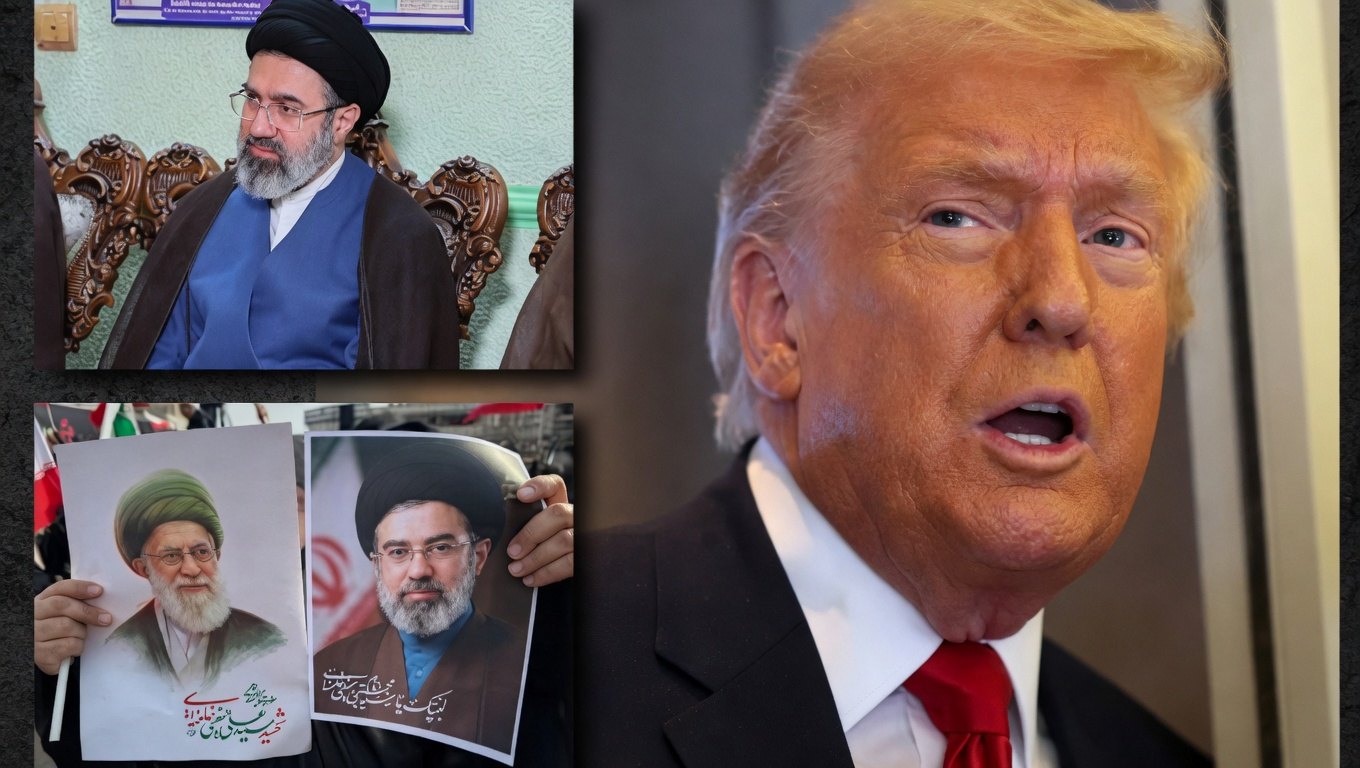
The night sky over Iran lit up with explosions that echoed across the region and sent shockwaves through global capitals. In a bold and highly coordinated military operation dubbed Operation Epic Fury, U.S. and Israeli forces launched precision strikes targeting key Iranian nuclear facilities, missile production sites, and air defense systems. What began as a calculated effort to neutralize an imminent threat has now pushed the Middle East to the edge of full-scale conflict, with Tehran promising a response that could reshape the entire geopolitical landscape.
The operation was swift, sophisticated, and devastatingly effective. Strikes hit critical locations including Natanz, Fordow, and Isfahan — sites long suspected of being central to Iran’s nuclear ambitions. Additional targets included missile manufacturing facilities and radar installations protecting the regime’s most sensitive assets. U.S. and Israeli officials described the mission as necessary to prevent Iran from crossing the nuclear threshold and to degrade its ability to threaten neighbors and international shipping lanes. The precision of the strikes, using advanced stealth aircraft and standoff munitions, minimized collateral damage while maximizing impact on hardened underground targets.
Iran’s leadership reacted with predictable fury. Supreme Leader Ayatollah Ali Khamenei and top military commanders quickly condemned the attacks as “an act of war” and vowed “devastating revenge” that would be felt across the region and beyond. State media broadcast images of damaged sites alongside defiant statements promising asymmetric retaliation through proxy forces, cyberattacks, and potential closure of key waterways like the Strait of Hormuz. The rhetoric has escalated rapidly, raising fears that Iran may activate sleeper cells or launch missile barrages at Israeli and U.S. assets in the Gulf.
The human and strategic cost is already mounting. While official casualty figures remain limited, civilian areas near some military installations reported significant damage. Energy markets reacted instantly, with oil prices spiking as traders priced in the risk of disrupted supplies from the world’s most critical energy chokepoint. Global stock markets wobbled, safe-haven assets like gold surged, and diplomatic channels from Washington to Beijing lit up with urgent calls for de-escalation.
This confrontation represents the culmination of years of rising tensions. Iran’s nuclear program had advanced despite international sanctions and previous limited strikes. Intelligence reports suggested the regime was uncomfortably close to weapon-grade material, prompting the decisive action now known as Operation Epic Fury. For Israel, the operation was existential — a preemptive move to eliminate a threat that leaders described as an “imminent danger to the Jewish people.” For the United States, it was framed as necessary enforcement of red lines and protection of regional allies.
The international community finds itself deeply divided. Some nations have quietly supported the strikes as a necessary check on Iranian aggression, while others condemn them as reckless escalation that could ignite a wider war. European diplomats are working overtime to open back channels, while China and Russia have issued strong statements of support for Iran. The United Nations Security Council has convened emergency sessions, though meaningful consensus appears unlikely given veto powers and competing interests.
For ordinary people across the Middle East, the fear is palpable. Families in Tehran, Tel Aviv, Riyadh, and Beirut are stocking supplies, monitoring news, and preparing for the worst. The psychological toll of living under the constant threat of retaliation is immense. Children are being kept home from school in some areas, businesses are adjusting operations, and a general sense of anxiety hangs over daily life like a dark cloud.
Yet amid the tension, there are also glimmers of resilience. Humanitarian organizations are positioning aid, diplomats continue back-channel talks, and some regional leaders are quietly urging restraint. The coming days and weeks will test the limits of deterrence, diplomacy, and sheer human endurance. Will Iran’s promised revenge trigger a cycle of escalating strikes, or can cooler heads find a path back from the abyss?
The situation remains fluid and extremely dangerous. Every statement from Tehran, every movement of military assets, and every diplomatic overture is being watched with intense scrutiny. The world holds its breath as the Middle East stands at a crossroads where one miscalculation could plunge the region — and potentially the globe — into chaos not seen in generations.
Operation Epic Fury was designed to prevent a nuclear Iran. Whether it ultimately achieves that goal or instead accelerates the very conflict it sought to avoid remains the defining question of our time. For now, the region teeters on the brink, and the entire world is watching to see what comes next. The stakes could not be higher.
Most Popular!
-
 The Ultimate Wedding Revenge: When the Mother Who Abandoned Her Six Daughters Showed Up with Her Millionaire Boss, the Bride Opened a Box That Destroyed Lives Forever
-
The Beach Shaming Disaster: What My 8-Year-Old Said to the Prying Stranger Left Everyone Speechless
-
My Husband Abandoned Me With Twin Babies for a Luxury Fishing Trip — When He Returned, I Had Already Packed His Bags
-
The Three-Dollar Miracle: How a Dust-Covered Vase Revealed a Heartbreaking Decades-Old Secret
-
The $80,000 Battle to Erase a Birthmark: Why One Mother Risked Everything for Her Daughter’s Future
-
The Silent Thief: Why Millions of Men Are Living with a Time Bomb They Can’t See
-
The Final Curtain Falls: Beloved Sanford and Son Legend Hal Williams Gone at 91
-
Found at a Yard Sale: This “Useless” Vintage Contraption Is Actually a Forgotten Piece of Human History