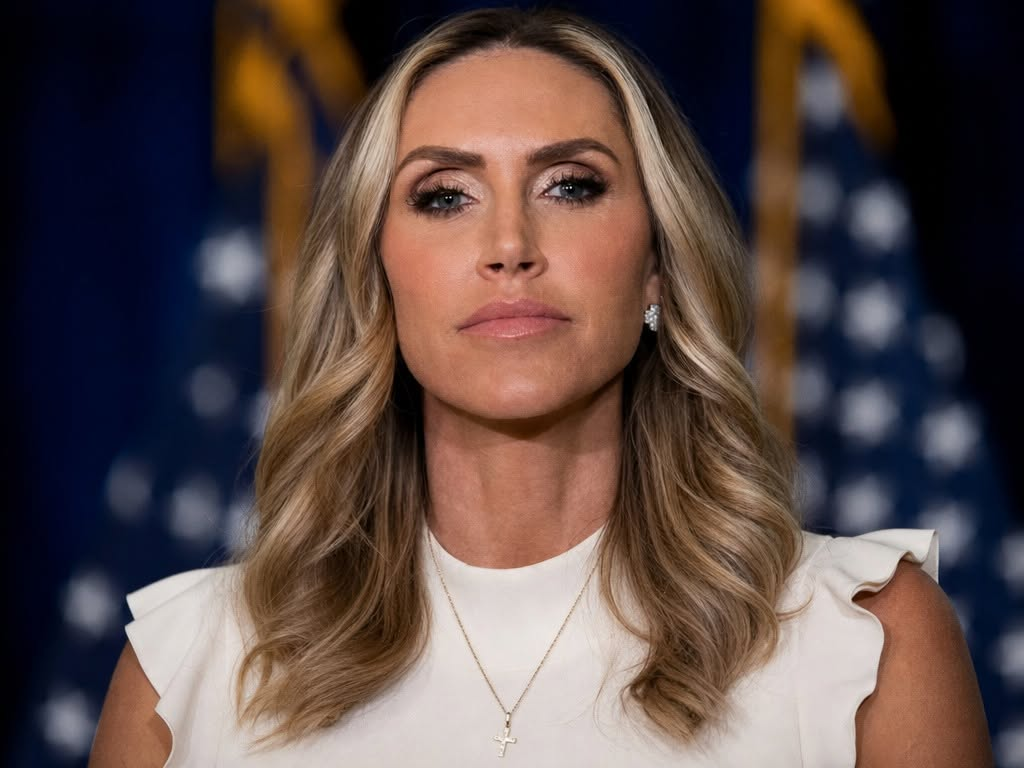
Lara Trump Officially Confirmed as RNC Co-Chair: A Power Move That Could Reshape the Republican Party
The news broke with the kind of intensity that immediately shifted conversations across political circles and dinner tables alike. Lara Trump, the former president’s daughter-in-law and a prominent voice in conservative media, has been officially confirmed as co-chair of the Republican National Committee. For many, this move represents more than just another appointment in a long list of party leadership changes. It signals a deliberate evolution in how the GOP approaches messaging, grassroots engagement, and the blending of family loyalty with political strategy. At a time when the party faces internal divisions and external pressures, Lara’s elevation brings both excitement and questions about what this new chapter might mean for the future of American conservatism.
Lara’s journey to this role wasn’t built overnight. She entered the public eye during Donald Trump’s first presidential campaign, quickly establishing herself as a fierce advocate with a sharp media presence. Her background in television production and her ability to connect with audiences through straightforward, energetic communication made her a natural fit for high-visibility positions. Supporters see her as someone who understands both the traditional values of the party and the modern realities of digital campaigning. Critics, meanwhile, view the appointment through a more skeptical lens, questioning whether family ties might influence decision-making more than policy expertise. Regardless of perspective, one thing is clear: Lara Trump brings a unique combination of personal brand recognition and organizational experience to a position that demands both.
The timing of this confirmation feels particularly significant. The Republican Party finds itself at a crossroads, navigating post-election realities, fundraising challenges, and the need to broaden its appeal without losing its core base. As co-chair, Lara will play a key role in shaping messaging strategies, coordinating with state parties, and helping to energize voters ahead of future cycles. Her experience managing high-stakes media appearances and engaging directly with grassroots supporters positions her well for these responsibilities. Many observers note that her ability to communicate complex ideas in accessible ways could help bridge gaps between different factions within the party, especially as it seeks to attract younger voters and working-class families who feel disconnected from traditional politics.
What makes Lara’s role particularly interesting is how it reflects broader changes in political organizations. Traditional party structures have evolved significantly in the digital age, where personal brands and direct communication often carry as much weight as institutional experience. Lara’s comfort with social media, podcasts, and unfiltered public engagement aligns with this shift. She has already demonstrated an ability to mobilize supporters through platforms that bypass traditional gatekeepers, potentially bringing fresh energy to RNC initiatives. At the same time, her family connection to the most influential figure in modern Republican politics adds layers of both opportunity and scrutiny that few previous co-chairs have faced.
Public reaction has been predictably divided along familiar lines. Supporters celebrate the appointment as a smart strategic choice, highlighting Lara’s dedication, communication skills, and proven ability to rally crowds. They see her as someone who can help modernize the party’s outreach while staying true to its foundational principles. Detractors express concern about potential conflicts of interest and question whether the RNC should prioritize family connections over independent leadership. These contrasting views reflect deeper conversations happening across the political spectrum about the role of personal relationships in public institutions and the balance between loyalty and merit.
For those following the Trump family’s influence in politics, this development fits into a larger pattern of expanding involvement across multiple levels of government and party operations. Lara has been vocal about issues ranging from election integrity to women’s empowerment within conservative frameworks, positions that resonate strongly with key voting blocs. Her elevation to co-chair could signal a more aggressive, unified approach to upcoming electoral battles, with a focus on digital innovation and direct voter engagement. How effectively she balances these priorities with the traditional responsibilities of the role will likely define her tenure and impact future party dynamics.
Beyond the immediate political implications, Lara’s confirmation raises interesting questions about the evolving nature of political partnerships and family involvement in public life. In an era where authenticity and relatability matter more than ever to voters, having someone with both insider knowledge and broad public appeal could prove advantageous. At the same time, it challenges traditional norms about separating family and institutional roles, creating a delicate balance that requires careful navigation. Supporters argue this blend brings fresh perspectives, while skeptics worry it might blur important lines of accountability.
Looking ahead, the success of this appointment will depend on several factors. Lara will need to demonstrate independence while honoring the trust placed in her by party leadership. Building coalitions across different factions within the Republican Party will be essential, as will maintaining focus on policy priorities that matter to voters. Her ability to energize the base without alienating moderates could prove decisive in upcoming elections. Observers will be watching closely to see how she balances media presence with behind-the-scenes organizational work, two areas that require very different skill sets.
For everyday Americans watching these developments, the story offers more than political intrigue. It reflects broader questions about leadership, loyalty, and how institutions adapt to changing times. Whether one supports or opposes the direction the party is taking, Lara Trump’s role highlights the increasing importance of communication skills, personal branding, and the ability to connect with people on a human level in modern politics. These qualities matter regardless of ideological differences, as they determine how effectively any organization can reach and motivate its supporters.
As the Republican National Committee moves forward under this new leadership structure, the coming months will reveal much about its strategic priorities and capacity for unity. Lara Trump enters the role with high visibility, strong communication abilities, and deep connections to the party’s most energized base. How she leverages these assets while addressing the practical challenges of party building will shape not only her own legacy but potentially the direction of the GOP for years to come. In a political landscape that rewards bold moves and clear messaging, this appointment certainly qualifies as one worth watching closely.
The confirmation of Lara Trump as RNC co-chair represents more than a personnel change. It signals an evolution in how the party approaches leadership, outreach, and the blending of personal and institutional influence. Whether this power move strengthens the Republican Party or creates new challenges remains to be seen, but one thing is certain: it has already captured attention across the political spectrum and set the stage for what promises to be a dynamic and closely followed chapter in American politics. As events unfold, the focus will remain on results, unity, and the ability to translate high-profile appointments into meaningful progress for the party’s goals and supporters.
Most Popular!
-
 The Woman at the Cafe: How a Simple Breakfast Became a Lifeline for a Lonely Boy
-
A Simple Evening Drink That Helps Your Liver Rest and Recover Naturally
-
10 Subtle Things Women Do When They’re Starved for Affection — And What It Really Means
-
He Refused to Divorce Me to Dodge Child Support — So I Made Him Regret It
-
The Zodiac Signs Most Likely to Experience Psychic Dreams — Is Yours One of Them?
-
10 Unusual Signs of Stroke in Women That Could Save Your Life If You Spot Them Early
-
After My Wife Was Gone, I Found a Divorce Decree From 20 Years Ago — And the Family Secret That Followed Changed Everything
-
The Day My Son’s Bride Slapped Me — And How It Set Me Free