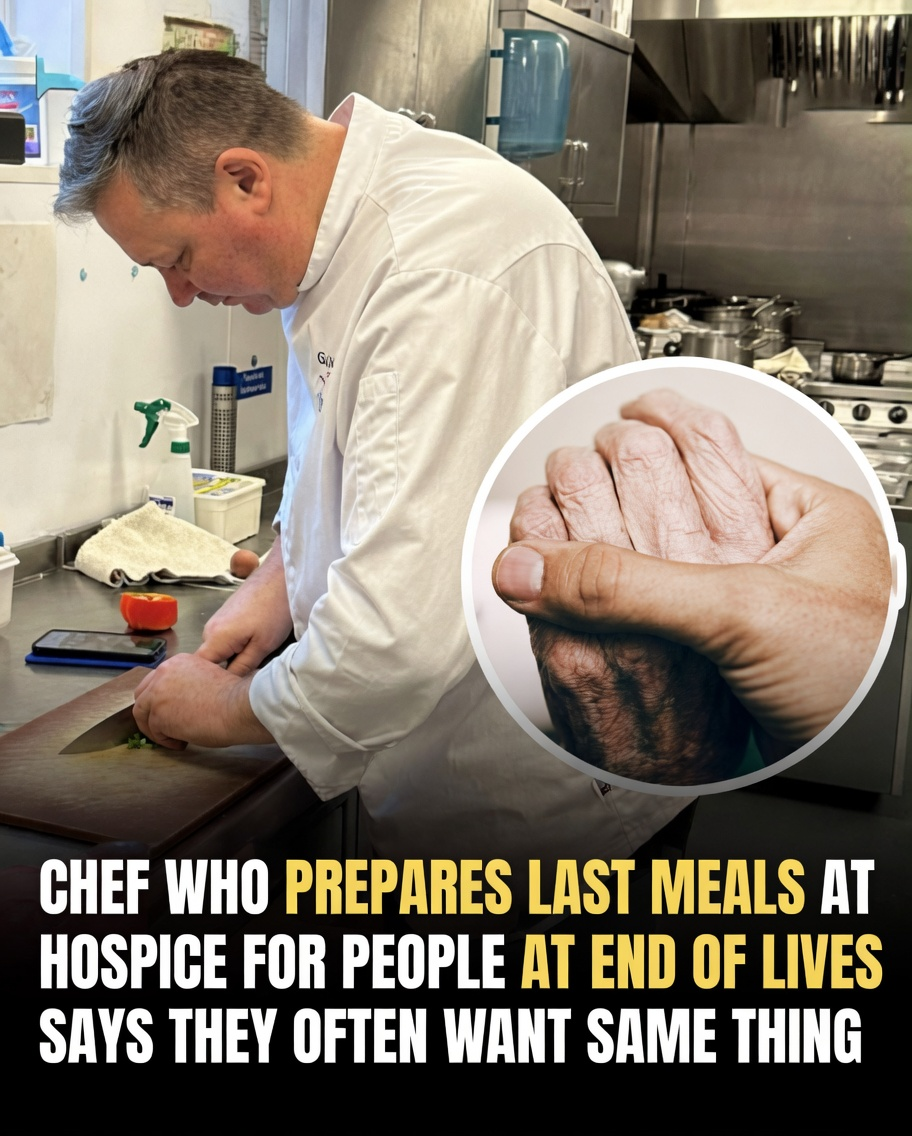
Working in hospice care means walking alongside people during their most vulnerable, sacred final chapter. You witness raw courage, quiet goodbyes, and moments of profound love that most people never see. But after preparing thousands of last meals, one hospice chef has noticed a surprising pattern: when patients are given the freedom to request anything they want for their final meals, one comfort food rises above all others. It’s not fancy steak or exotic cuisine. It’s something humble, nostalgic, and deeply personal — mashed potatoes.
Yes, simple, creamy mashed potatoes. The kind made with real butter, a touch of milk or cream, and seasoned just right. Time after time, when chefs ask what someone wants for what may be their last meal, mashed potatoes top the list. Sometimes with gravy. Sometimes with a side of meatloaf or roasted chicken. But the potatoes themselves are the consistent star.
Why Mashed Potatoes Hold Such Power at the End
Mashed potatoes aren’t just food — they’re memory. They represent warmth, safety, and unconditional love for millions of people. Many patients describe childhood Sunday dinners, their grandmother’s kitchen, holiday tables, or the simple meals their parents made when money was tight but love was abundant. In the final days, when the body is tired and the world feels distant, people instinctively reach for what once brought them comfort as children.
Hospice chef Thomas Montgomery, who has worked in end-of-life care for over 15 years, says the request rarely varies in its emotional core. “They don’t want complicated. They want to feel cared for. Mashed potatoes are soft, easy to eat when swallowing becomes difficult, and they taste like home,” he explains. “I’ve seen patients who haven’t spoken in days light up when a bowl arrives. It’s more than flavor — it’s connection to life.”
The appeal goes beyond nostalgia. From a medical perspective, mashed potatoes are gentle on the digestive system, provide comforting calories and carbohydrates when appetite is fading, and can be easily adjusted for different dietary needs or swallowing difficulties. They offer a sense of normalcy in a time when so much feels foreign and frightening.
Other Common Last Meal Requests
While mashed potatoes lead the list, other comfort foods frequently appear:
- Macaroni and cheese — Especially the homemade version with a crispy breadcrumb topping.
- Chicken noodle soup — Often requested by those wanting something light yet nourishing.
- Meatloaf with gravy — A classic that brings back memories of family dinners.
- Ice cream or milkshakes — For patients who can no longer handle solid food but still crave something sweet and comforting.
- Peanut butter and jelly sandwiches — Simple, childhood favorites that require almost no effort to eat.
What unites all these requests is their emotional significance. They aren’t about gourmet experiences. They’re about returning, even briefly, to a time when life felt safe, loved, and full of possibility.
The Deeper Lesson for All of Us
The hospice chef’s observation carries a message far beyond end-of-life care. When people face mortality, they don’t reach for status symbols, exotic adventures, or complicated achievements. They reach for love expressed through simple, familiar things. This reveals what truly matters when everything else is stripped away.
For families sitting with loved ones in their final days, this knowledge can be incredibly freeing. You don’t need to prepare a five-course gourmet meal. You don’t need perfection. Sometimes the most meaningful thing you can offer is a bowl of mashed potatoes made with care, a favorite childhood cookie, or a simple sandwich cut the way they like it. These small acts become sacred rituals that say “I see you. I love you. You are not alone.”
How to Honor These Final Food Wishes
If you ever find yourself in the position of caring for someone nearing the end of life, here are gentle ways to approach their food requests:
- Ask specifically what sounds good rather than assuming.
- Keep portions small — appetite is often minimal.
- Focus on comfort and ease of eating over nutrition at this stage.
- Involve them in the process if they’re able — even choosing the plate can bring joy.
- Don’t force eating if they’re not interested. Sometimes the offer itself is enough.
Many families find that preparing these final meals becomes a beautiful act of love and closure. It’s one of the last ways we can actively care for someone we’re losing.
A Reminder for How We Live Now
The hospice chef’s insight isn’t just for those facing the end — it’s a powerful reminder for all of us while we still have time. What would you want for your last meal? What foods carry the deepest memories of love for you? Taking time to honor those simple pleasures now — making your grandmother’s recipe, sharing a favorite childhood treat with your children, or cooking a comforting meal for someone you love — creates meaning in the present.
We spend so much time chasing complicated goals and external validation. Yet when it matters most, most people want something warm, familiar, and made with love. That truth can guide us toward living with more intention today.
If you’re currently caring for a loved one in hospice or facing serious illness in your family, please know you’re not alone. The journey is heavy, but small acts of love — including through food — can bring light even in the darkest moments. Reach out to hospice teams, support groups, or trusted friends. You don’t have to carry this alone.
The simple bowl of mashed potatoes requested by so many at the end of life reminds us of a beautiful truth: in the final accounting, it’s rarely the grand achievements that matter most. It’s the warmth, the connection, and the love we gave and received along the way.
What comfort food would you want in your final days? Or what meal brings back the strongest memories of love for you? Share in the comments below — your answer might remind someone else of what truly matters.
Most Popular!
-
 My 8-Year-Old Has Been Experiencing This for Two Months and It’s Getting Worse – What Every Parent Needs to Know
-
24 Traits Women Find Most Attractive in Men – The Surprising List That Could Change How You See Yourself
-
Ilhan Omar’s Husband’s California Winery Officially Dissolved Amid Congressional Probe – What This Means for the Ongoing Scrutiny
-
I Agreed to Watch My Grandson for the Weekend – What I Found in Their House Changed Everything
-
They Mocked Me at My Own Restaurant Until One Moment Turned the Entire Room Silent
-
The Harvard Prodigy Who Became the World’s Most Wanted Terrorist – The Shocking Truth Behind the “Walking Brain” Who Terrorized a Nation from a Tiny Cabin in the Wilderness
-
Fans Stunned as Beloved Will & Grace Star Quietly Passes After a Lifetime in the Spotlight
-
Texas and New Mexico Residents Under Urgent Health Watch as Invisible Toxic Cloud Covers the Southwest – The Deadly Reason Why You Must Stay Indoors Immediately