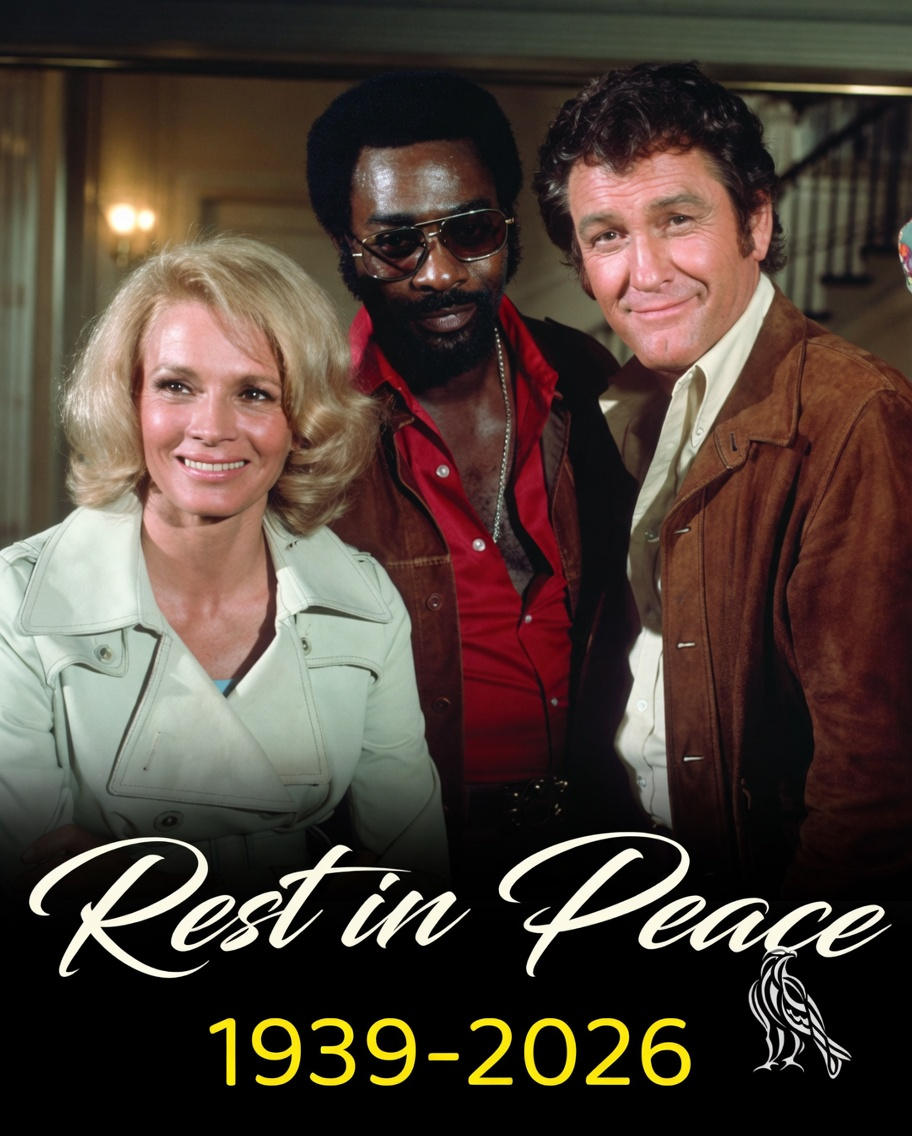
I was scrolling through my feed late one evening when the news hit me like a quiet punch to the chest. Ed Bernard, the actor whose steady presence anchored some of the most memorable police dramas and family stories of the 1970s, had passed away at the age of 86. There were no paparazzi flashes, no viral tributes flooding the timeline, no tearful interviews from A-list stars. Just a simple family statement and a few respectful mentions from those who worked with him. In an industry that loves loud goodbyes, Ed Bernard’s exit felt different—understated, almost private, the way he lived his entire career. And somehow that made the loss feel even heavier.
Bernard never chased the spotlight. He showed up, did the work, and let the characters speak for themselves. Viewers of a certain age will instantly remember him as the reliable Detective Joe Styles on Police Woman, standing shoulder to shoulder with Angie Dickinson in a groundbreaking series that put a strong female lead at the center of gritty crime stories. He wasn’t flashy. He didn’t need to be. His quiet intensity made every scene feel real, whether he was delivering bad news to a victim’s family or backing up his partner in a tense standoff. That same grounded energy carried into The White Shadow, where he played a high-school principal navigating the complexities of race, sports, and teenage lives long before those topics became standard television fare.
What set Bernard apart from so many of his contemporaries was his refusal to play the Hollywood game. While others built empires on talk-show appearances and tabloid drama, he raised a family, stayed married for decades, and treated every role with the same respect whether it was a lead or a single day on set. He appeared in everything from Kojak and Mannix to later guest spots on NYPD Blue and ER, always bringing a sense of lived-in authenticity that younger actors still study today. In an era when television was finding its voice—moving from black-and-white morality tales to stories that reflected real American struggles—Bernard became one of the faces that made those shifts feel honest.
The golden era of television that Bernard helped define was built on something we rarely see anymore: restraint. Shows didn’t need explosions or constant cliffhangers to hold an audience. They relied on actors who could convey volumes with a single look or a measured pause. Bernard mastered that art. He understood that television entered people’s living rooms every week, becoming part of their routines and their families. He treated the medium with the kind of respect it deserved, never phoning it in, never chasing trends. That quiet professionalism is exactly why his passing feels like the closing of a chapter we didn’t realize was still open.
In today’s streaming landscape, where every actor seems to have a podcast, a merchandise line, and a personal brand, Bernard’s approach feels almost revolutionary. He didn’t need to be the loudest voice in the room to leave a mark. His work spoke for itself, influencing generations of performers who learned that substance beats spectacle every single time. Young actors I’ve spoken with in recent years often cite his performances as master classes in underplaying a scene—something many modern shows could use more of. His loss reminds us that the best television doesn’t always shout. Sometimes it simply sits with you long after the credits roll.
The family’s decision to keep the news understated feels perfectly in character. Bernard was a devoted husband and father, a man who found joy in simple things like cooking and learning new recipes long after the cameras stopped rolling. He never sought the kind of immortality that comes with constant publicity. Instead, he built a life that mattered in the ways that actually count—raising good kids, treating colleagues with kindness, and showing up prepared every single day. In an industry that often rewards ego, his humility stands out as the rarest quality of all.
What strikes me most when I revisit his old episodes now is how timeless they feel. The social issues he helped explore on screen—justice, community, the challenges of growing up—are still with us, perhaps even more urgent. Bernard didn’t preach. He simply inhabited the world of the story so completely that you believed every word. That kind of acting doesn’t come from technique alone. It comes from a deep well of life experience and quiet integrity, the kind that can’t be manufactured or taught in a classroom.
Hollywood has lost many icons in recent years, but few departures have carried this particular kind of weight. The loud farewells get the headlines and the hashtags, yet Bernard’s quiet exit invites a different kind of reflection. It asks us to consider what we value in the people we invite into our homes through the television screen. Do we want constant drama and manufactured personas, or do we want the steady presence of someone who simply does the work and lets the story breathe?
As fans dust off old DVDs and streaming services quietly add more of his classic episodes to their catalogs, I hope we take a moment to appreciate the lesson he left behind. Great television isn’t always about being the biggest star in the room. Sometimes it’s about being the one everyone can count on—the steady hand, the honest voice, the actor who makes you believe the world on screen is real. Ed Bernard embodied that ideal for decades, and the industry is poorer without him.
The next time you watch a classic cop show or a heartfelt school drama from the seventies, pay attention to the man in the background who never needed the close-up to steal the scene. That was Ed Bernard. He didn’t just define a golden era of television—he reminded us why that era still matters. Rest well, sir. Your work will keep teaching new generations long after the final credits have rolled. In an age of noise, your quiet legacy speaks louder than ever.
Most Popular!
-
 The Shocking Secret Envelope That a Millionaire Left Behind After a Decade of Silence
-
The Viral Photo Stumping the Internet That Contains a Chillingly Well-Hidden Secret
-
Shocking Woodland Arrest After Hikers Discover a Woman Engaged in Disturbing Acts with Deceased Wildlife
-
Mother Makes Split-Second Decision to Save Her Children as the World Around Her Turns to Chaos
-
Thirteen Nations Form a Secret Alliance That Is Shaking the Foundations of Global Peace
-
Driver Makes a Lethal Mistake at Border Checkpoint That Lands Him in Federal Prison
-
My Husband Demanded I Get Plastic Surgery So I Used His Money to Shatter His Perfect Image
-
The Shocking Hidden Truth About the Tiny Bow on Your Underwear That You Have Been Ignoring