Cameron Diaz has always done things her own way. From her breakout role in The Mask to her decision to step away from Hollywood at the peak of her career, the actress has never followed the expected script. Now, at 51, she has quietly welcomed a new baby with her husband, Benji Madden, and the news has ignited fierce conversations around the world about what it really means to become a parent later in life. While some celebrate it as a beautiful miracle of modern medicine and personal choice, others raise serious questions about the physical, emotional, and ethical realities of senior parenting. The truth, as always, lies somewhere in the complicated middle.
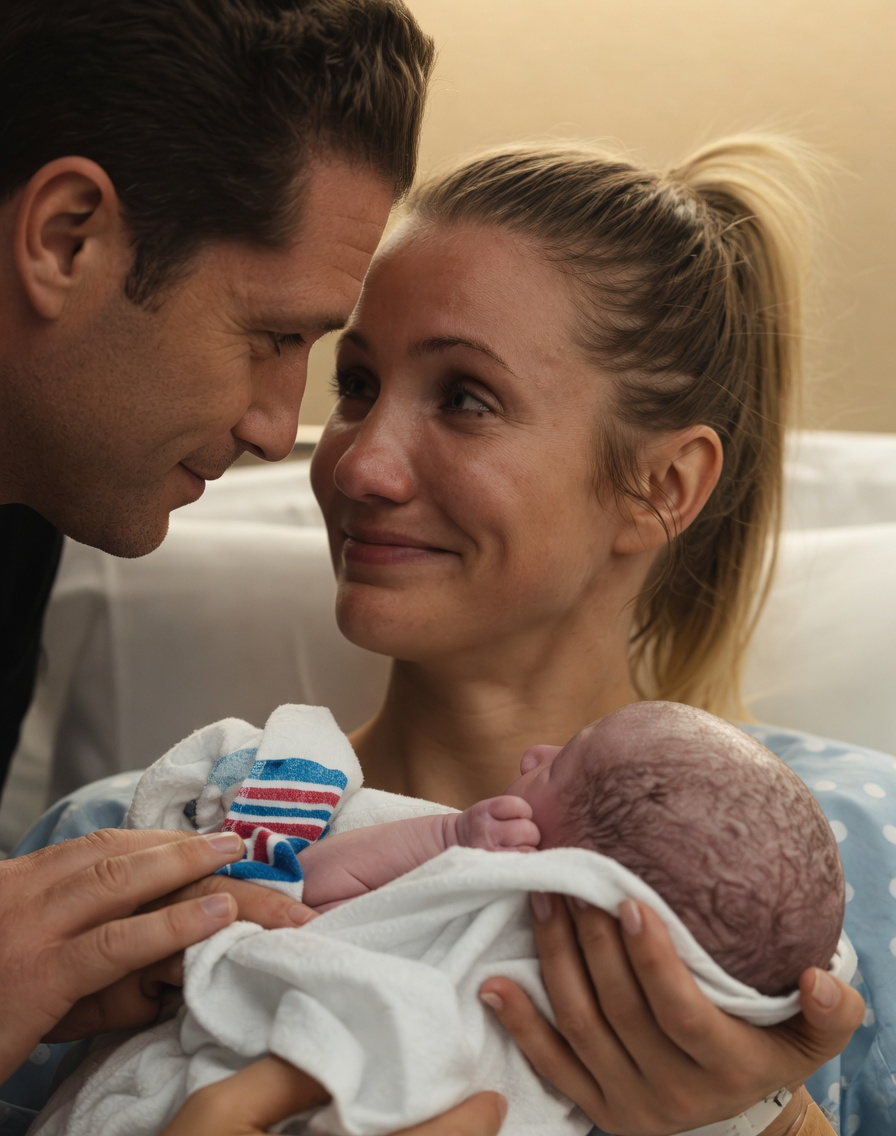
For years, Cameron and Benji have been open about their struggles with infertility. They have spoken candidly about IVF treatments, the emotional rollercoaster of hope and disappointment, and their deep desire to grow their family. When the couple announced the arrival of their second child — a healthy baby boy — the internet erupted. Social media was flooded with both heartfelt congratulations and sharp criticism. “She’s living her best life!” some wrote. Others fired back: “At what cost to the child?”
The medical community has been quick to weigh in. Pregnancy after 50 carries significantly higher risks for both mother and baby. Gestational diabetes, high blood pressure, preeclampsia, and chromosomal abnormalities become more common. Recovery can be slower, and the physical demands of caring for an infant while navigating perimenopause or menopause add another layer of complexity. Yet advances in fertility technology have made the impossible possible for many women in their 40s and 50s. Egg donation, surrogacy, and cutting-edge IVF protocols have rewritten the rules of when motherhood can begin.
Cameron’s situation highlights a growing cultural shift. More women are choosing to have children later — or for the first time — after building careers, achieving financial stability, or simply waiting until they feel truly ready. This trend challenges traditional timelines and forces society to examine long-held assumptions about age, energy, and parenting capability. Is a 50-year-old mother inherently less capable than a 30-year-old one? Or does life experience, emotional maturity, and financial security sometimes create a stronger foundation for raising children?
Critics of senior parenting often point to the reality of life expectancy and energy levels. A child born to a 51-year-old mother could lose their parent while still in their 20s or 30s. School events, sports games, and sleepless nights with teenagers might coincide with health challenges that come with aging. There are also concerns about the child’s perspective — growing up with parents who are closer in age to grandparents than to other moms and dads at the playground.
On the other side of the debate, many argue that older parents often bring irreplaceable gifts to the table. Greater emotional stability, stronger financial resources, and a clearer sense of priorities can create a nurturing environment. Studies have shown that children of older mothers sometimes benefit from more patient, attentive parenting and access to better educational opportunities. Many women in their 50s report feeling more grounded and present than they did in their younger, more chaotic years.
Cameron and Benji have remained mostly private about their journey, choosing to share only what feels right for their family. Their decision to keep the pregnancy and birth largely secret reflects both their desire for privacy and an awareness of how intensely the public scrutinizes celebrity parenting choices. In interviews over the years, Cameron has spoken about the pressure women face regarding motherhood timelines and how she finally found peace in trusting her own path.
This story resonates far beyond Hollywood. Across the country, everyday women in their 40s and 50s are navigating similar decisions — balancing the joy of new motherhood with the realities of aging bodies and changing family dynamics. Support groups for “later-in-life” parents are growing rapidly, offering spaces to discuss everything from navigating menopause while raising toddlers to explaining to young children why their parents look different from others at school pickup.
The debate also raises important questions about societal expectations. Why do we celebrate a 50-year-old man becoming a father but often question a woman in the same situation? How much of our discomfort stems from outdated gender roles rather than genuine concern for the child’s well-being? These conversations are uncomfortable but necessary as medical technology continues to expand the boundaries of what’s possible.
For those considering parenthood later in life, experts recommend thorough medical evaluations, honest conversations with partners, and realistic planning for the long-term future. Building a strong support network, prioritizing health and fitness, and preparing financially can make a significant difference. Most importantly, every family’s situation is unique. What works beautifully for one may not be right for another.
Cameron Diaz’s quiet miracle has done more than add another chapter to her personal story — it has forced millions to examine their own beliefs about age, motherhood, and what makes a good parent. In a world that loves to judge women’s bodies and choices, her journey reminds us that love, intention, and commitment matter far more than the number on a birth certificate.
Whether you view this as a beautiful advancement of reproductive freedom or a concerning trend with potential consequences, one thing is clear: the conversation about senior parenting is no longer theoretical. It’s happening in living rooms, doctor’s offices, and celebrity news cycles across the globe. And as science continues to evolve, these discussions will only become more important.
What do you think about women becoming mothers in their 50s? Is it a celebration of modern medicine or a risk we should discourage? Share your honest thoughts in the comments below — this topic touches something deep in all of us, and your perspective matters.
Most Popular!
-
 Why Millions of Southerners Are Pouring Salted Peanuts Directly into Their Ice-Cold Bottles of Coca-Cola – The Brilliant Century-Old Survival Secret Behind It
-
Rock Legend Brad Arnold Drops Devastating Stage Four Cancer Diagnosis and Cancels Tour, Leaving Millions of Heartbroken Fans Praying for a Miracle
-
How a Surprising Thanksgiving Knock on a Vietnam Veteran’s Door Exposed a Fifty-Six-Year-Old Secret That Completely Rewrote His Family History
-
Toddler Insists Five People Live in Her House – And What She Revealed Next Sent Chills Down Her Parents’ Spines
-
Terrified Neighbors Smash Window of Burning Car to Rescue Two Little Girls Trapped Inside After Distressed Father Ignites a Sudden Blaze in Broad Daylight
-
The Shocking Truth About the Bold New Federal Presence Dividing Washington DC
-
Sally Field Fans React to Legendary Actress’ Natural Appearance After She Refused to Hide Her Age
-
How Everyday Optical Illusions Secretly Break Your Brain and Make You Question Reality