You sit at your kitchen table on an ordinary afternoon, gently pressing your hand to your side where the surgical scars from gallbladder removal still feel tender weeks or even months later, wondering why the discomfort, bloating, or unpredictable digestion continues long after the operation was supposed to solve your problems. For many grandparents who have faced gallbladder issues while carefully protecting retirement savings and home equity, the decision to have surgery often comes after years of pain, dietary restrictions, and concern about how medical bills and recovery time might quietly drain the financial resources meant to provide stability and joyful moments with grandchildren. Understanding the common side effects and learning practical diet tips can make the recovery period smoother, reduce ongoing discomfort, and help avoid additional medical expenses that could threaten the nest egg you have worked so hard to build over a lifetime of careful planning and sacrifice.
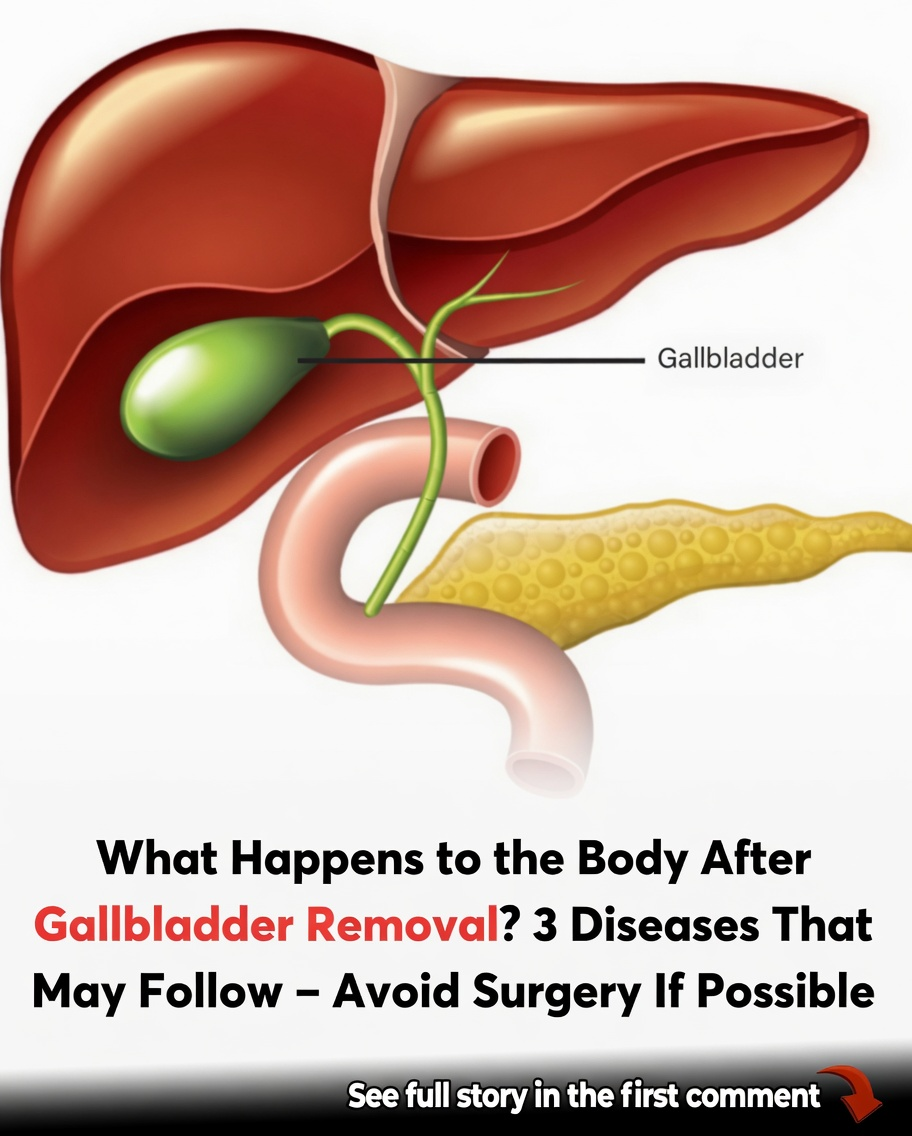
Gallbladder removal, or cholecystectomy, is one of the most common surgeries performed today, yet many patients are surprised by the side effects that can linger afterward. Without the gallbladder to store and release bile in concentrated amounts, bile drips continuously into the intestine, which can lead to diarrhea, bloating, gas, indigestion, and difficulty digesting fatty foods. Some people experience these issues for only a few weeks, while others deal with them for months or even years if they do not adjust their eating habits. This is especially challenging for older adults who may already manage other digestive concerns or take multiple medications that affect the gut.
One of the most frequent complaints is post-cholecystectomy syndrome, where symptoms similar to the original gallbladder attacks return. This can include upper abdominal pain, nausea, and changes in bowel habits. While not everyone experiences this, those who do often feel frustrated that the surgery meant to bring relief has introduced new daily challenges. For grandparents focused on staying active with family, these symptoms can limit mobility, reduce enjoyment of meals, and increase the need for additional doctor visits or medications that quietly add to monthly expenses and erode financial security.
The good news is that thoughtful dietary adjustments can significantly ease these side effects and support better long-term digestion. Starting with smaller, more frequent meals helps the body handle bile flow more steadily. Reducing high-fat foods, fried items, and heavy dairy while increasing fiber-rich vegetables, lean proteins, and whole grains allows the digestive system to adapt more comfortably. Many people find that avoiding large meals late in the evening and staying well-hydrated also reduces bloating and discomfort throughout the day.
Practical tips that many grandparents find helpful include keeping a simple food diary for the first few months after surgery to identify personal triggers. Common offenders include greasy foods, spicy dishes, caffeine, and alcohol, while helpful foods often include oats, bananas, applesauce, and steamed vegetables. Over time, most people can gradually reintroduce moderate amounts of healthy fats like olive oil, avocados, and nuts as the body adjusts. Working with a doctor or nutritionist can provide personalized guidance without expensive ongoing treatments.
Beyond diet, gentle movement such as short walks after meals, staying upright for a while after eating, and practicing relaxation techniques can further support digestion and reduce symptoms. Many older adults discover that these small lifestyle changes not only ease post-surgery discomfort but also improve overall energy and well-being, helping them remain active with grandchildren and maintain the independence they value so deeply.
For those protecting retirement savings and home equity, managing gallbladder surgery recovery wisely is especially important. Avoiding complications through proper diet and habits can prevent costly additional procedures, hospital readmissions, or the need for long-term medications that quietly drain financial resources. Many grandparents report feeling more in control and less anxious after learning these practical strategies and sharing them with family members who may face similar surgeries in the future.
This guide to gallbladder surgery side effects and helpful diet tips emphasizes patience and listening to your body. While the adjustment period can feel frustrating, most people find significant improvement within three to six months when they follow a mindful approach. The key is consistency and being gentle with yourself during the transition rather than expecting immediate perfection.
Many grandparents who have gone through this experience share that it ultimately taught them greater appreciation for simple, nourishing foods and the importance of proactive health habits. What began as a challenging recovery became an opportunity to model wise self-care for children and grandchildren, strengthening family bonds and creating a legacy of wellness that goes far beyond money alone.
The quiet wisdom behind managing life after gallbladder surgery lingers long after the last meal is finished. These kinds of health transitions often encourage us to re-examine our daily choices and the financial boundaries we set to protect the future we want for our grandchildren.
As you reflect on gallbladder surgery side effects and the practical diet tips for smoother recovery, along with the retirement savings and home equity you have spent years protecting, ask yourself this: what one small dietary or lifestyle adjustment could you start this week that might strengthen your own legacy, protect your retirement savings, and show your grandchildren the true meaning of thoughtful self-care and prevention?
Most Popular!
-
 The Heartbreaking Reality: Why Jelly Roll and Bunnie XO’s Fairytale Marriage Has Finally Imploded
-
Is That Tiny Canker Sore Actually a Death Sentence? The Silent Signs of Oral Cancer You’re Likely Ignoring
-
The Indecency Scandal: Why Bianca Censori’s Latest Cat Mask Ensemble Has the Public Demanding Her Arrest
-
The Secret Message from Beyond: Why Cemetery Officials Are Desperate to Destroy This Man’s Final Tribute
-
The Miracle Weed: Why This Common Backyard Menace Is Worth Its Weight in Gold
-
The Innocent Selfie That Ended a Wedding: How One Tiny Detail Destroyed Everything
-
The Secret Whisper That Left a Nation Stunned: What Trump Actually Said to the Fighter Who Insulted Michelle Obama
-
These Mind-Bending Riddles Are Humiliating Millions Online — Can You Solve Them Without Losing Your Mind?