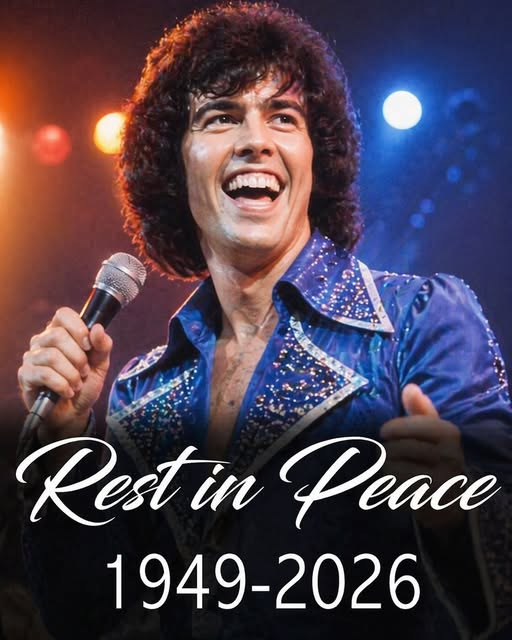
The Osmond family name has been synonymous with wholesome entertainment, tight harmonies, and enduring success for over six decades. But behind the polished performances and million-selling records, one brother carried a deeply personal struggle that tested his faith, family bonds, and inner strength for nearly four decades. Alan Osmond, the eldest sibling and foundational leader of The Osmonds, passed away at the age of 76, leaving behind a legacy far richer than his on-stage accomplishments. His final years offered a powerful testament to resilience in the face of a progressive illness that he refused to let define him.
Born in 1949 in Ogden, Utah, Alan stepped into leadership early. As the oldest of nine children, he helped form the original Osmond Brothers quartet with his siblings, performing to support their deaf brothers Virl and Tom. Their big break came on The Andy Williams Show, where their polished barbershop style captured national attention. Under Alan’s guidance as guitarist, arranger, and de facto manager, the group evolved into a pop powerhouse with hits like “One Bad Apple” and the rock-edged “Crazy Horses.” He wasn’t just a performer — he was the steady architect keeping the family unit intact amid the whirlwind of 1970s fame.
The Secret Diagnosis That Changed Everything
In 1987, while on stage during a performance, Alan noticed something alarming: he couldn’t raise his right hand properly or play the trumpet with his usual speed. What began as subtle coordination issues was soon diagnosed as multiple sclerosis (MS), a chronic autoimmune disease that attacks the central nervous system. For years, he kept the diagnosis private, fearing it would damage the family’s wholesome image and career momentum. He pushed through numbness, weakness, fatigue, and mobility challenges while continuing to perform, dance, and lead.
Alan’s approach to his illness was remarkable. He viewed it not as a defeat but as a personal test of character. In interviews over the years, he credited his deep Mormon faith and strong family support for giving him perspective. “I may have MS,” he often said, echoing his mother’s words, “but MS does not have me.” Even as symptoms progressed — making it difficult to pick up small objects or hold his grandchildren — he sought experimental treatments, including a clinical trial in England, and adapted with hydrotherapy and positive mindset.
By the late 1990s, the physical demands of touring became too great. Alan stepped back from full performances but never stepped away from the family’s musical world. He transitioned into producing, songwriting, mentoring, and guiding the next generation, including his own sons who performed as The Osmond Boys. His behind-the-scenes influence helped sustain the Osmond brand long after the peak of their pop stardom.
A Life of Faith, Family, and Quiet Strength
Throughout his battle, Alan remained an inspiration to others living with MS. He spoke publicly about his condition, participated in awareness events, and shared practical advice on managing symptoms both mentally and physically. His son David was also diagnosed with MS, creating a shared understanding within the family that strengthened their bond.
Family members described Alan’s final days as peaceful yet marked by the realities of his long illness. He was surrounded by loved ones, including his wife and children, maintaining his characteristic humor and gratitude even as his body weakened. His positive outlook never wavered. In recent years, he released an autobiography titled One Way Ticket, reflecting on his journey with honesty and hope.
The Osmond family’s statement after his passing highlighted not just his musical contributions but his role as a spiritual anchor. Alan’s unwavering faith provided comfort through the darkest periods. He often spoke about opposition in life being necessary for growth, drawing strength from his beliefs and the preexistence of the soul. This perspective allowed him to face limitations without bitterness, focusing instead on service, mentorship, and cherishing time with family.
The Broader Impact of Alan’s Story
Alan Osmond’s life offers profound lessons about hidden struggles and public personas. In an industry that often celebrates only the highlight reels, his story reminds us that many performers carry invisible burdens. His decision to continue contributing creatively while managing a progressive disease demonstrates incredible discipline and love for his craft and family.
For fans of classic entertainment, Alan represents the heart of the Osmond legacy — the older brother who held everything together so Donny, Marie, and the others could shine. His influence extended beyond music into family values, business acumen, and advocacy. The Osmonds sold millions of records, starred in television specials, and built a brand centered on positivity, all while Alan quietly navigated his health challenges.
MS affects millions worldwide, and Alan’s openness helped reduce stigma and encourage early intervention. His journey from stage performer to advocate shows how adversity can redirect purpose in meaningful ways. He proved that legacy isn’t only about chart-topping hits but about the lives touched through resilience and example.
Honoring a Life Well Lived
As tributes continue to pour in from the music community and longtime fans, Alan Osmond’s story resonates because it’s ultimately hopeful. Despite decades of physical decline, he maintained joy, creativity, and connection with those he loved. His final chapter wasn’t defined by loss of mobility but by enduring influence and peaceful acceptance.
The Osmond family has asked for privacy as they grieve, but they’ve also invited fans to celebrate Alan’s music and the values he championed. Classic performances are being rediscovered by new generations, introducing his contributions to audiences who may have only known the more famous siblings.
Alan’s life encourages us to look beyond surface success and appreciate the quiet strength required to persevere. Whether facing chronic illness, family responsibilities, or personal setbacks, his example shows the power of faith, adaptability, and focusing on what you can control.
In remembering Alan Osmond, we celebrate not just a talented musician but a man who led with integrity, loved deeply, and faced every challenge with remarkable grace. The melodies he helped create will continue playing, but his greatest legacy may be the inspiration he provided to anyone fighting their own silent battles.
His story reminds us that true legends aren’t measured solely by applause — they’re defined by how they respond when the spotlight dims and the real tests begin. Alan Osmond passed the test with flying colors, leaving a harmonious legacy that will echo for generations.
Most Popular!
-
 THE SILENCE SURROUNDING RFK JR.: WHAT IS BEING HIDDEN BEHIND CLOSED DOORS?
-
THE HELICOPTER IN THE BACKYARD: WHY MY PARENTS DISMISSED MY ORDINARY HUSBAND UNTIL HE SAVED MY LIFE DURING A TERRIFYING LABOR EMERGENCY
-
A DEADLY TREND: THE SILENT KILLER LURKING IN A TEEN’S PURSUIT OF BEAUTY
-
A DEADLY TREND: THE SILENT KILLER LURKING IN A TEEN’S PURSUIT OF BEAUTY
-
MY WIFE SOLD MY PRICELESS INHERITANCE BEHIND MY BACK—THEN THE BUYER CALLED IN ABSOLUTE TERROR!
-
THE FORTUNE I DIDN’T EXPECT: MY ELDERLY HUSBAND’S FINAL ACT OF REVENGE AGAINST HIS VULTURES
-
THE BILLIONAIRE IN THE TRAILER: TWO BOYS THOUGHT THEY WERE HELPING A DESTITUTE OLD MAN, BUT THE SECRET IN HIS FINAL WILL SHOCKED EVERYONE
-
THE INHERITANCE TRAP: MY SISTER STOLE THE PENTHOUSE, BUT I STOLE THE EMPIRE