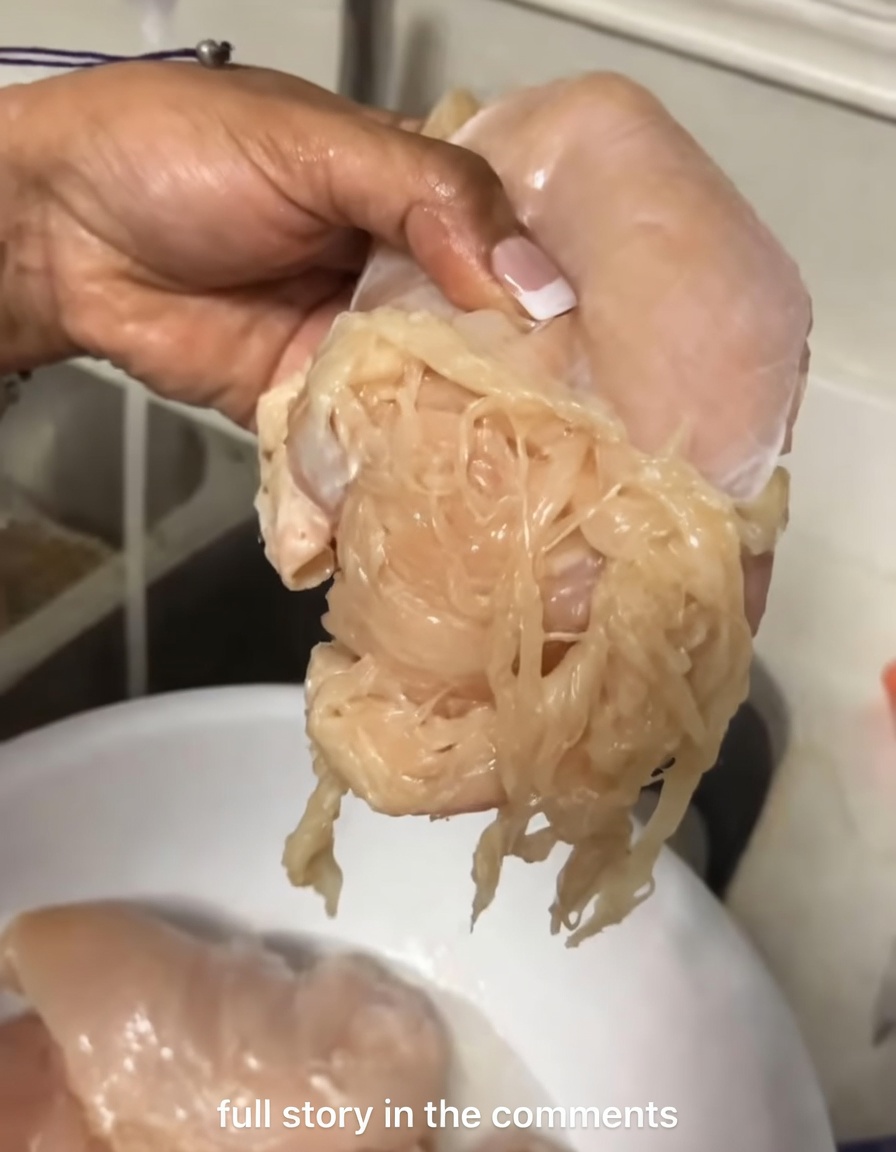
You stand in the brightly lit supermarket aisle, reach into the refrigerated case, and pick up a package of chicken breasts that looks perfect — pale pink, neatly trimmed, wrapped in clear plastic with a cheerful “farm-fresh” label promising wholesome goodness. You toss it into your cart without a second thought, imagining a happy bird that once roamed green pastures under a blue sky. But the reality of what you just brought home is far different from the story printed on that package, and once you learn what actually happens before that chicken reaches your dinner table, you may never look at those neatly stacked trays the same way again.
The Industrial System Most Shoppers Never See
The vast majority of chicken sold in supermarkets comes from highly industrialized facilities designed for speed and volume rather than animal welfare or natural flavor. Instead of open pastures or spacious barns, most birds spend their entire short lives inside large enclosed houses where thousands of them are packed together in tightly controlled environments. Every detail — temperature, lighting, air quality, and feed — is carefully managed by automated systems to push the birds to grow as fast as possible.
How Modern Chickens Are Bred to Grow
These chickens are not the same breeds your grandparents might have raised decades ago. Today’s birds have been specially engineered to reach market weight in just five to six weeks. This rapid growth puts enormous strain on their bodies, often leading to leg problems, limited mobility, and other health issues. The feed is formulated with precise nutrients to accelerate development, and the lighting in the houses is adjusted to encourage the birds to eat almost constantly. The goal is uniformity — every bird needs to reach nearly the same size so the automated processing lines can run efficiently.
The Hidden Reality of Processing
Once the chickens reach the right weight, they are transported to massive processing plants that handle hundreds of thousands of birds each day. There, they move through a highly mechanized system of stunning, cleaning, chilling, and cutting. One of the least-known steps happens in the chilling tanks, where the carcasses are immersed in cold water. During this process, the meat can absorb additional water weight — sometimes significantly — which increases the final selling weight and affects both price and texture. While this keeps the product affordable and consistent, it also means you are often paying for water that was added during processing.
Why the Flavor and Quality Differ
Because these birds grow so quickly and live in such controlled conditions, the meat often lacks the depth of flavor found in slower-growing, pasture-raised poultry. The muscle development is different, and the diet and environment produce a milder taste that many people have simply grown used to. Shoppers have come to expect the pale, tender chicken breast they see in stores, not realizing that the “normal” they know is actually the result of decades of industrial optimization.
The Marketing That Keeps the Illusion Alive
Supermarkets rely heavily on packaging and labeling to maintain the comforting image of farm life. Terms like “natural,” “farm-raised,” or “no antibiotics ever” are carefully chosen and regulated, but they don’t always tell the full story of how the birds were raised or processed. The pristine white trays and bright photos hide the reality of the high-speed, high-volume system that brings that chicken to your cart week after week.
The Turning Point for Conscious Shoppers
Many people reach a moment when they start questioning what they are really buying. They notice the texture isn’t quite right, or they read about the conditions these birds endure, and suddenly the weekly chicken dinner doesn’t feel as simple as it once did. That awareness is the turning point that leads some to seek out smaller producers, pasture-raised options, or even to reduce their meat consumption altogether.
The Practical Insight That Changes How You Shop
Understanding the difference between industrially raised chicken and more traditional methods helps you make better choices at the store. Looking for labels that mention “pasture-raised,” “slow-grown,” or transparent sourcing can lead you to meat that comes from birds with more natural lives and better flavor. It may cost a little more, but many find the quality and peace of mind are worth it.
In the Immediate Aftermath of Learning the Truth
Once you know how most supermarket chicken is produced, it’s hard to unsee it. You may start reading labels more carefully, asking questions at the butcher counter, or even changing how often you serve chicken at home. The shift doesn’t have to be dramatic — even small changes in awareness can lead to better decisions for your health, your wallet, and the animals involved.
The Hopeful Lesson That Still Resonates
The chicken you bring home doesn’t have to be part of a system that prioritizes speed over everything else. By choosing more thoughtfully and supporting producers who focus on welfare and quality, you can enjoy better-tasting meals while voting with your dollars for a kinder and more sustainable way of raising food. Sometimes the most powerful change starts with something as simple as reading the fine print on a package of chicken breasts.
As you stand in that supermarket aisle next time and reach for your usual pack of chicken, ask yourself this: are you willing to keep accepting the convenient story on the label, or are you ready to look a little deeper and choose something that truly matches the values you want to support?
Most Popular!
-
 The Ultimate Wedding Revenge: When the Mother Who Abandoned Her Six Daughters Showed Up with Her Millionaire Boss, the Bride Opened a Box That Destroyed Lives Forever
-
The Beach Shaming Disaster: What My 8-Year-Old Said to the Prying Stranger Left Everyone Speechless
-
My Husband Abandoned Me With Twin Babies for a Luxury Fishing Trip — When He Returned, I Had Already Packed His Bags
-
The Three-Dollar Miracle: How a Dust-Covered Vase Revealed a Heartbreaking Decades-Old Secret
-
The $80,000 Battle to Erase a Birthmark: Why One Mother Risked Everything for Her Daughter’s Future
-
The Silent Thief: Why Millions of Men Are Living with a Time Bomb They Can’t See
-
The Final Curtain Falls: Beloved Sanford and Son Legend Hal Williams Gone at 91
-
Found at a Yard Sale: This “Useless” Vintage Contraption Is Actually a Forgotten Piece of Human History