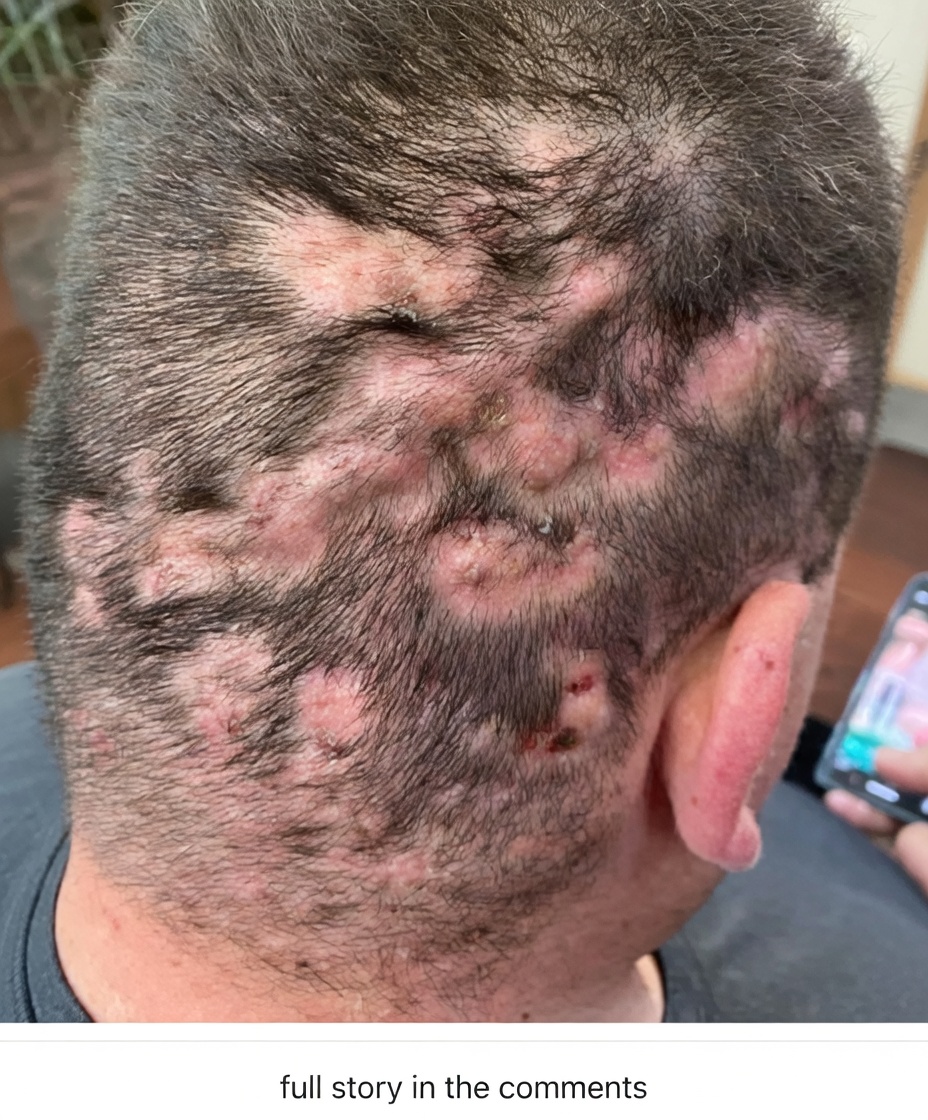
You notice a dark, velvety patch on your neck or under your arms and assume it’s dirt or a minor irritation. You scrub it in the shower, but it doesn’t go away. Instead, it slowly becomes thicker or darker over time.
The Moment You Start Wondering
That first realization brings a quiet wave of concern. You wonder if it’s something you did or something more serious. Most people keep it to themselves because skin changes in those areas feel too personal to mention out loud.
What the Patches Actually Are
These marks are known as Acanthosis Nigricans. They are not caused by poor hygiene or lack of washing. They are a visible signal that something deeper may be happening inside the body, especially related to how your body handles insulin and blood sugar.
The Real Reason Behind the Changes
The most common cause is insulin resistance. When the body struggles to use insulin effectively, insulin levels rise. This extra insulin can stimulate skin cells to grow more rapidly, creating the thickened, darker appearance many people notice on the neck, underarms, or groin.
Other Factors That Can Play a Role
Obesity is strongly linked to these patches because it often goes hand in hand with insulin resistance. Hormonal conditions like PCOS, certain medications, and in rare cases even underlying health issues can also trigger the changes. Genetics sometimes make some people more prone to developing them.
Why It Matters for Both Children and Adults
The condition can appear in both kids and adults. When it shows up alongside excess weight, it often serves as an early warning for an increased risk of Type 2 diabetes. Catching it early gives you a chance to make simple changes before bigger problems develop.
The Good News Most People Need to Hear
Acanthosis Nigricans itself is not dangerous. It is the body’s way of sending a message that something inside needs attention. It is not a disease on its own, but a sign that your body is asking for help with blood sugar balance.
What You Can Do Right Now
If you see these patches, talk to your doctor. A simple blood test can check your insulin and glucose levels. Many people find that losing even a small amount of weight, eating more balanced meals, and moving more each day can improve or even reverse the marks over time.
The Hopeful Lesson That Changes Everything
Your skin is often the first place your body speaks up when something needs attention. These dark patches are not something to panic over, but they are something worth listening to. Taking action early can protect your long-term health and give you back peace of mind.
As you check your own skin or think about changes you’ve noticed, ask yourself this: what small daily habit could you start today that might help your body feel heard and supported before bigger problems appear?
Most Popular!
-
 The Ultimate Wedding Revenge: When the Mother Who Abandoned Her Six Daughters Showed Up with Her Millionaire Boss, the Bride Opened a Box That Destroyed Lives Forever
-
The Beach Shaming Disaster: What My 8-Year-Old Said to the Prying Stranger Left Everyone Speechless
-
My Husband Abandoned Me With Twin Babies for a Luxury Fishing Trip — When He Returned, I Had Already Packed His Bags
-
The Three-Dollar Miracle: How a Dust-Covered Vase Revealed a Heartbreaking Decades-Old Secret
-
The $80,000 Battle to Erase a Birthmark: Why One Mother Risked Everything for Her Daughter’s Future
-
The Silent Thief: Why Millions of Men Are Living with a Time Bomb They Can’t See
-
The Final Curtain Falls: Beloved Sanford and Son Legend Hal Williams Gone at 91
-
Found at a Yard Sale: This “Useless” Vintage Contraption Is Actually a Forgotten Piece of Human History