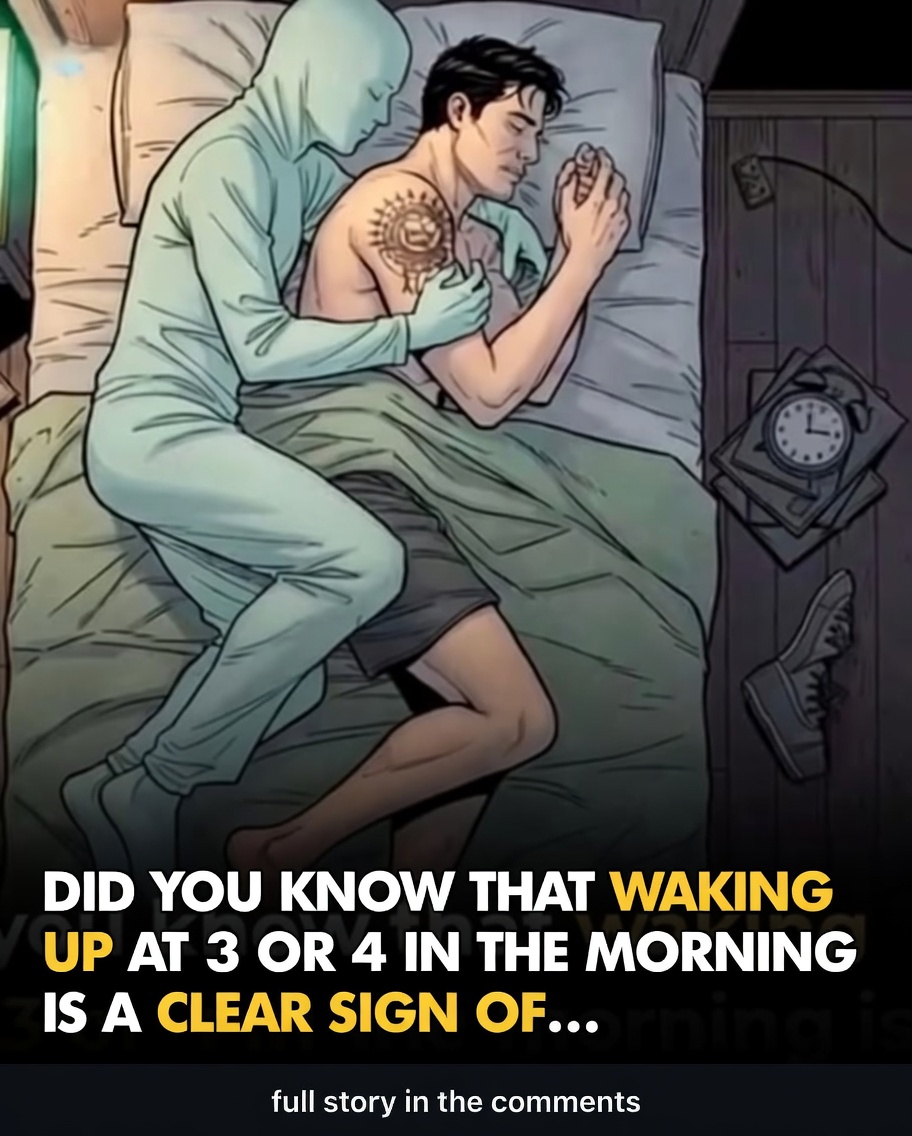
You jolt upright in bed, heart hammering, while the room stays pitch black and the clock on your nightstand reads 3:27 A.M. again. Sweat cools on your skin as the silence presses in. For a moment you wonder if you heard a noise, but the house is still. It is not fear of the dark that wakes you, it is something deeper.
The Private Horror That Returns Night After Night
Countless people over forty know this exact moment. You lie there staring at the ceiling while the rest of the world sleeps. The body that once drifted peacefully through the night now feels like it is running an urgent internal alarm. The emotional toll builds quietly as you wonder why rest has become so elusive.
How Sleep Turns Into a Fragmented Battle
Years of daily stress, family responsibilities, and unspoken worries slowly change the way your brain handles nighttime. What used to be a majestic sanctuary of rest becomes a clumsy, broken pattern. You wake at the same strange hour because your mind is quietly working through unfinished business while your body stays on high alert.
The Body’s Internal Alarm Clock Explained
Your internal systems follow a natural rhythm that peaks between three and four in the morning. Cortisol levels begin their gentle rise to prepare you for the coming day. When that rise happens too sharply or too early, the body treats it like an emergency signal, pulling you from deep sleep and leaving you wide awake with no obvious reason.
The Hidden Journey Your Brain Takes Alone
While you rest, your brain slips into a powerful processing mode. It reviews the day’s emotions, sorts through old memories, and quietly flags anything that needs attention. This hidden journey happens without your awareness, yet the sudden wake-up is the moment your conscious mind finally catches up to the work already underway.
Why This Warning Matters More After Forty
The stakes grow higher with age because small disruptions in sleep can affect everything from heart health to emotional balance. Families notice when you seem tired or short-tempered the next day. The legacy you want to leave your loved ones includes being present and healthy, not worn down by nights you cannot remember.
The Turning Point Most People Miss
The moment you recognize the 3 AM wake-up as a signal instead of a curse is when everything shifts. Practical insight shows that gentle breathing exercises or keeping a bedside journal can help your brain finish its hidden work faster. You stop fighting the clock and start listening to what your body is trying to tell you.
Simple Steps That Calm the Internal Alarm
You begin winding down earlier in the evening, cutting screens and choosing calming teas. A short gratitude list before bed gives your brain one less thing to process in the dark. These small changes often reduce the frequency of those jolting awakenings and bring a surprising sense of control back to your nights.
The Moment Everything Finally Clicked
One recent 3 AM wake-up felt different. Instead of panic you sat up quietly and wrote down the worry that had been circling. The next morning the issue felt lighter and sleep returned more naturally. That single shift proved the body’s alarm was never the enemy, it was simply asking for attention.
In the immediate aftermath you notice your energy improving and your mood becoming steadier. The emotional toll of fragmented nights slowly lifts as you learn to work with your body instead of against it. The cost was years of restless sleep, but the reward is waking up truly refreshed for the first time in a long while.
A Gentle Reminder From Your Nighttime Self
This 3 AM ghost ultimately carries a hopeful message about listening to your own internal systems before they have to shout. Real rest begins when you treat those middle-of-the-night moments as helpful signals rather than enemies. As you head to bed tonight, what quiet worry might your brain be trying to finish for you while the rest of the world sleeps?
Most Popular!
-
 The Ultimate Wedding Revenge: When the Mother Who Abandoned Her Six Daughters Showed Up with Her Millionaire Boss, the Bride Opened a Box That Destroyed Lives Forever
-
The Beach Shaming Disaster: What My 8-Year-Old Said to the Prying Stranger Left Everyone Speechless
-
My Husband Abandoned Me With Twin Babies for a Luxury Fishing Trip — When He Returned, I Had Already Packed His Bags
-
The Three-Dollar Miracle: How a Dust-Covered Vase Revealed a Heartbreaking Decades-Old Secret
-
The $80,000 Battle to Erase a Birthmark: Why One Mother Risked Everything for Her Daughter’s Future
-
The Silent Thief: Why Millions of Men Are Living with a Time Bomb They Can’t See
-
The Final Curtain Falls: Beloved Sanford and Son Legend Hal Williams Gone at 91
-
Found at a Yard Sale: This “Useless” Vintage Contraption Is Actually a Forgotten Piece of Human History