You stood in the brightly lit supermarket meat aisle, fingers hovering over a package of ribeye that glowed an almost unnatural shade of red. The plastic wrap was cool and tight, the marbling looked textbook perfect, and the label boasted “premium” and “natural.” You tossed it into your cart without a second thought, already picturing the sizzle in the skillet later that evening. Yet something in the back of your mind whispered that this piece of meat had traveled a much longer and stranger path than the simple farm-to-table story the packaging suggested.
For most families, grocery store beef has become the default centerpiece of weeknight dinners and weekend barbecues. You grew up watching parents grill steaks that came straight from the butcher counter, and you wanted to give your own household the same sense of wholesome tradition. The emotional pull of those shared meals runs deep, tying together memories of laughter, full plates, and the feeling that you are providing something nourishing and real. In an age when time and money are stretched thin, that shrink-wrapped steak feels like a small victory for busy lives.
The stakes feel even higher when you think about health and the legacy you pass to the next generation. You have heard friends talk about wanting cleaner food for their kids, worrying about hormones, antibiotics, and what ends up on the dinner table. The bond between what you buy and how your family feels after eating it creates a quiet pressure to choose wisely, yet the supermarket makes the decision seem straightforward with its tidy rows and reassuring labels. Everyone assumes the system works the way it always has.
That comfortable assumption begins to crack when you start noticing how every steak in the case looks almost identical in color, no matter the cut or the day of the week. The uniformity is too perfect, too consistent, as if someone engineered the appearance rather than letting nature decide. You start wondering why beef from the store never turns the brownish-gray you remember from older meat left in the fridge overnight. The small doubts linger while you cook and eat, but they never quite form a full question until one ordinary shopping trip changes everything.
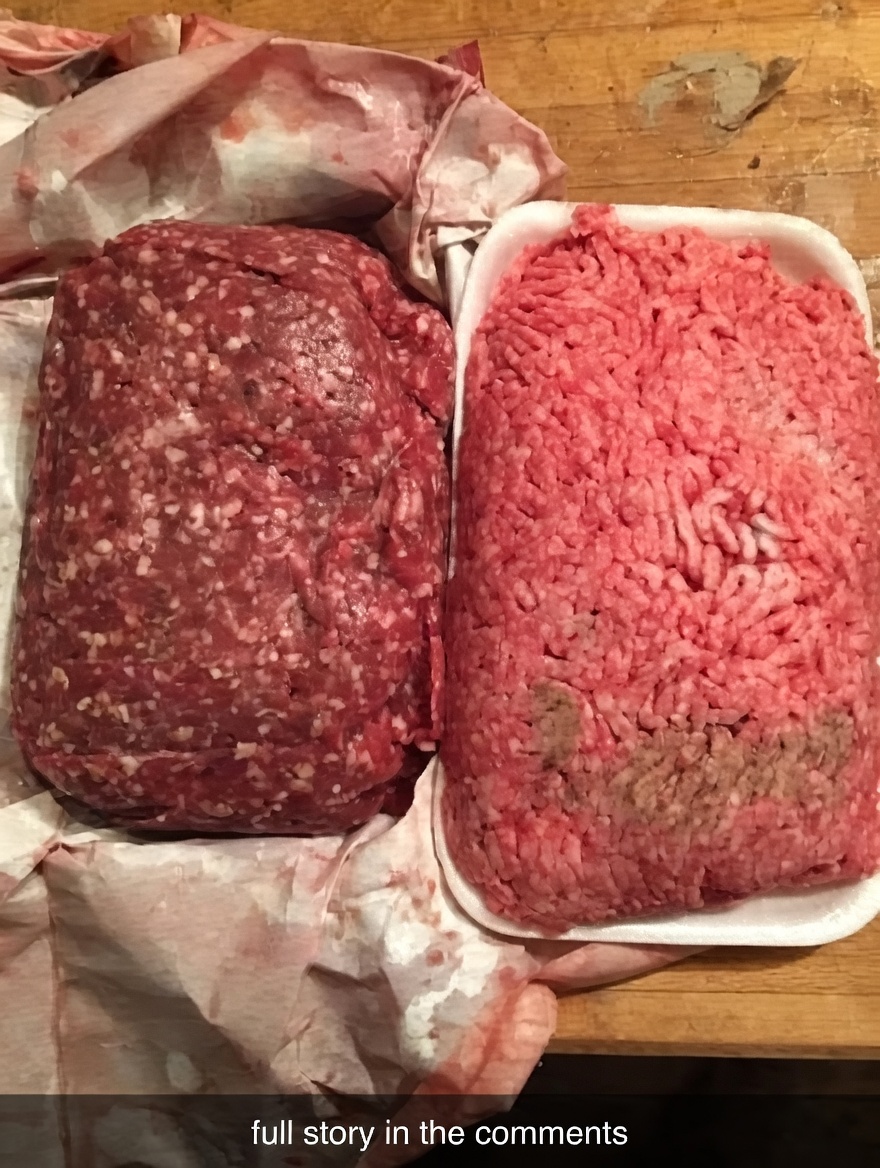
The complication hits when a simple online search after dinner leads you down a rabbit hole of industry practices most shoppers never see. What you discover is that the vibrant red hue you trust as a sign of freshness is often the result of modified atmosphere packaging, a process where carbon monoxide is introduced to the package to keep the meat looking bright long after it should have started to fade. This industrial trick masks the true age and condition of the product, creating an illusion that has been quietly standard for years.
The turning point arrives as you realize this is not a rare shortcut but a widespread engineering choice designed to reduce waste and boost sales. Practical insight from food safety experts shows that while the technique is legally allowed in many places, it prevents the natural color change that would normally warn you the meat is past its prime. You begin to understand why so many packages look flawless on the shelf yet can carry a different story once opened at home.
You dig deeper and learn how the gap between true farm-raised cattle and the industrial supply chain has widened dramatically. Most grocery beef comes from large-scale feeding operations where animals are finished on grain instead of grass, altering flavor, nutrition, and even the fat composition in ways that affect your plate. The sensory experience you expect from a real steak has been quietly standardized and altered by the same system that keeps the color locked in place.
The climax of the revelation comes when you read the fine print on packaging regulations and industry reports that confirm the carbon monoxide method is used precisely to extend shelf life and hide early signs of spoilage. The hidden truth is that the beautiful steak you brought home may have been days or even weeks older than it appeared, its freshness artificially preserved so it could sit under store lights without turning off customers. That single fact reframes every trip down the meat aisle you have ever taken.
In the immediate aftermath the emotional toll settles in as you stand in your kitchen staring at the next package you just bought. The cost is more than money spent on something less wholesome than advertised, it is the quiet betrayal of trust in the everyday choices you make for your family. You feel a mix of anger and disappointment realizing how much the system relies on keeping shoppers in the dark while profiting from the illusion.
This unsettling look at the meat industry’s darkest secret carries a hopeful lesson about reclaiming control over what lands on your table. Real awareness begins the moment you start asking questions and choosing sources that prioritize transparency over appearance. As you head back to the store with sharper eyes, what small change will you make the next time you reach for steak, and how might that decision reshape the meals and health you share with the people you love most?
Most Popular!
-
 The Ultimate Wedding Revenge: When the Mother Who Abandoned Her Six Daughters Showed Up with Her Millionaire Boss, the Bride Opened a Box That Destroyed Lives Forever
-
The Beach Shaming Disaster: What My 8-Year-Old Said to the Prying Stranger Left Everyone Speechless
-
My Husband Abandoned Me With Twin Babies for a Luxury Fishing Trip — When He Returned, I Had Already Packed His Bags
-
The Three-Dollar Miracle: How a Dust-Covered Vase Revealed a Heartbreaking Decades-Old Secret
-
The $80,000 Battle to Erase a Birthmark: Why One Mother Risked Everything for Her Daughter’s Future
-
The Silent Thief: Why Millions of Men Are Living with a Time Bomb They Can’t See
-
The Final Curtain Falls: Beloved Sanford and Son Legend Hal Williams Gone at 91
-
Found at a Yard Sale: This “Useless” Vintage Contraption Is Actually a Forgotten Piece of Human History