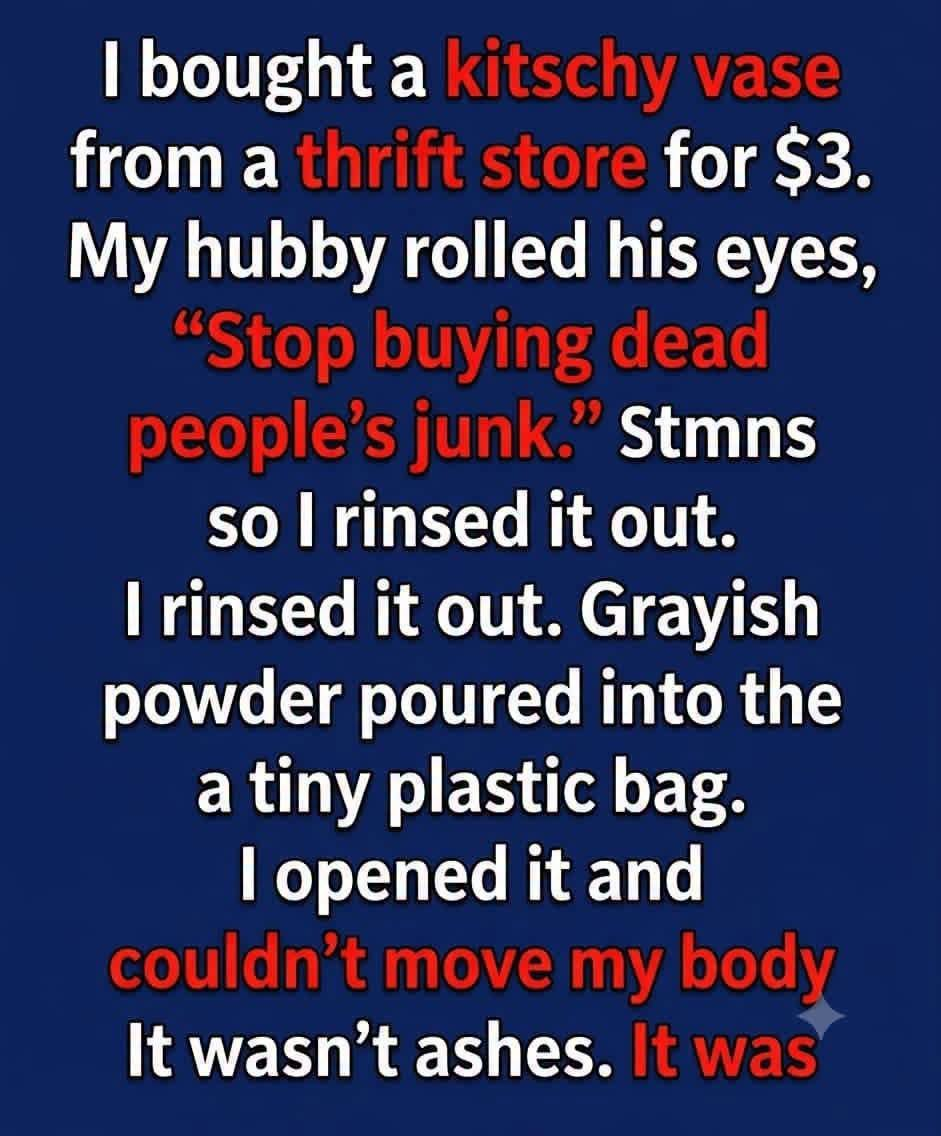
Most people enter a thrift store looking for a bargain or a useful item. The shelves hold discarded dishes, outdated electronics, and furniture that no longer fits someone else’s life. Occasionally an object carries more than its surface function. A piece of jewelry tucked into a drawer, a letter slipped between book pages, or a small compartment in a vase can turn a routine purchase into an unexpected encounter with another person’s past. These moments are rare, yet they reveal something consistent about how humans attach meaning to ordinary things.
Objects become vessels for memory because they outlast the moments that gave them significance. A ring purchased for a future wedding, a note written in anticipation of absence, or a keepsake hidden for safekeeping can sit untouched for decades while the people connected to them age, move, or die. When the item resurfaces in a thrift shop or estate sale, it arrives without context. The new owner is left holding a fragment of a story whose other participants may no longer be easily found.
The decision to investigate rather than simply keep the find is rarely driven by material value alone. Many people describe a sense of discomfort at possessing something that clearly belonged to a private narrative. Returning the item, or at least attempting to, restores a kind of order. It closes a loop that chance opened. The effort required—searching records, making phone calls, visiting strangers—often exceeds any practical reward. What is gained instead is the knowledge that a piece of someone’s history was not left permanently adrift.
Families on the receiving end of such returns frequently experience a complex mix of emotions. Relief that a lost belonging has reappeared can sit alongside renewed grief for the person who once owned it. The object may represent a promise that was never fulfilled, a relationship that ended abruptly, or a period of life that had been sealed away. Holding the physical item again can reopen conversations that had grown quiet. In some cases it softens old self-blame about items that were misplaced during chaotic times of illness or loss.
Secondhand economies make these encounters possible. As households downsize, estates are settled, and storage units are cleared, personal effects move into circulation with incomplete histories. Donation centers and thrift stores process large volumes of goods; staff cannot research the background of every vase or jewelry box. The responsibility, when a significant personal item is discovered, falls to the individual buyer. Most such discoveries remain minor. A few become the kind of quiet stories that people later tell because they restored something intangible—continuity, recognition, or the sense that a stranger’s care still mattered.
There is no obligation to become a detective every time an odd note or hidden compartment appears. Practical limits of time, privacy, and available information apply. Yet the impulse to try reflects a broader human preference for coherence. We are uneasy leaving someone else’s final gesture unanswered when the means to answer it are within reach. Acting on that unease is a small assertion that lives continue to touch one another even after direct connection has ended.
The objects themselves are usually modest. Their power lies less in rarity or price than in the specificity of the intention behind them. A note written for a future reader, a ring set aside for a particular occasion, or a keepsake preserved against loss carries the weight of someone having imagined a tomorrow that included another person. When that tomorrow arrived differently than planned, the object remained as evidence of the original hope. Returning it allows the surviving relative to hold both the hope and the outcome at once.
In an age of rapid disposal and digital ephemera, physical items that survive decades of neglect retain a particular gravity. They remind us that ordinary lives leave traces, and that those traces can still speak if someone is willing to listen. The three-dollar vase or the overlooked drawer is rarely the point. The point is the moment when a living person decides that another living person—or the memory of one—deserves the dignity of closure. That decision costs little in material terms and often returns something more lasting than the object itself: the confirmation that attention, even across strangers and years, still has the power to mend a small tear in the fabric of a life.
Most Popular!
-
 How Many Holes Are in a T-Shirt? What a Simple Puzzle Reveals About How We See
-
Bra Care Basics: Hygiene, Longevity, and Why Rotation Matters More Than You Think
-
Green Onions and Food Safety: What the Risks Actually Are and How to Handle Them Sensibly
-
When Family Hospitality Becomes a One-Way Street: Setting Boundaries with In-Laws Without Destroying the Relationship
-
When Strength Becomes Silence: Hidden Grief and the Distance It Creates in a Marriage
-
The One-Ring Phone Scam: Why a Single Missed Call Can Be Expensive—and How to Protect Yourself
-
When Money and Loyalty Collapse Together: Navigating Financial Betrayal in a Marriage
-
The Mattress Tag Myth: Why “Do Not Remove Under Penalty of Law” Does Not Apply to You