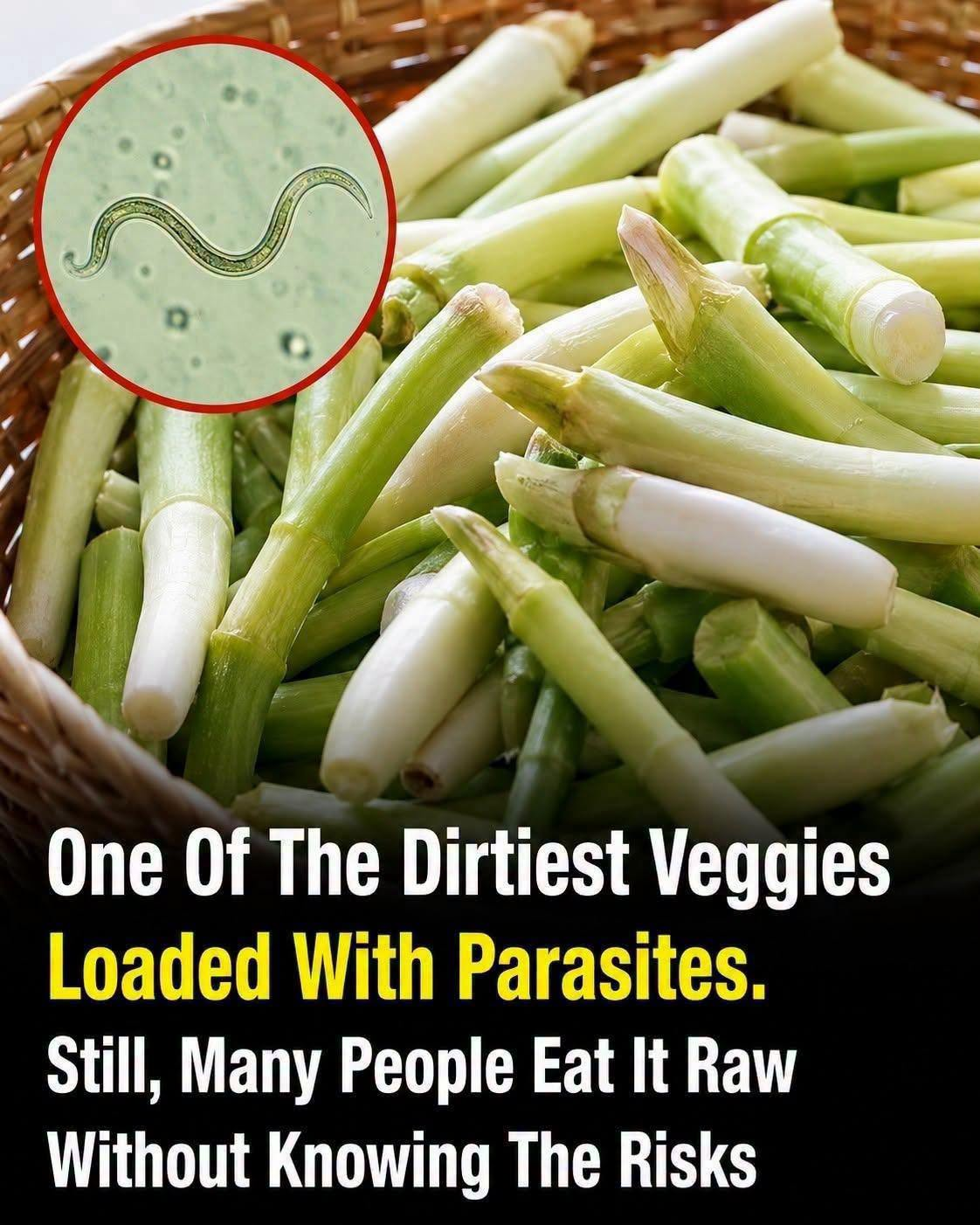
Green onions, also called scallions, appear in countless recipes because they add sharp flavor and color with almost no effort. They are frequently eaten raw as a garnish or lightly cooked. That convenience is also the reason they occasionally appear in food-safety discussions. Like other vegetables grown close to the soil and eaten without a high-heat step, they can carry bacteria if contamination occurs during growing, harvesting, or handling. Understanding the real level of risk and the practical steps that reduce it keeps the kitchen safer without turning every salad into a source of anxiety.
The structure of green onions contributes to the challenge. The layered stalks and the white bulb end can trap soil and moisture. A quick rinse under running water often fails to reach every fold. Because the vegetable is usually served raw or only briefly heated, any bacteria present are less likely to be killed before the food is eaten. Outbreaks linked to green onions and similar produce have occurred in the past, most often involving Salmonella or E. coli, particularly when irrigation water, soil amendments, or packing facilities were contaminated. These events are relatively uncommon compared with the volume of green onions consumed, yet they demonstrate why careful handling matters.
Certain groups face higher consequences from foodborne illness: young children, older adults, pregnant people, and anyone with a weakened immune system. For them, the same ordinary kitchen practices that protect the average healthy adult become especially important. Even for others, avoiding a few days of gastrointestinal misery is worth the small extra effort of proper cleaning.
Effective preparation begins at the sink. Remove the root ends and any wilted or damaged outer layers. Separate the stalks if they are tightly bunched. Submerge them in a bowl of cold water and gently agitate so grit can fall away. Some cooks prefer a second rinse under running water while rubbing the surfaces. There is no need for soap or special produce washes; clean water and mechanical action are the main tools. After washing, dry the onions if they will be stored, because excess moisture encourages spoilage.
Cross-contamination remains a separate and equally important concern. A cutting board or knife used for raw meat can transfer bacteria to vegetables even if the produce itself started clean. Keeping a dedicated board for fruits and vegetables, or thoroughly washing boards and knives with hot soapy water between tasks, prevents that transfer. Hand washing before and after handling raw ingredients closes another common route of contamination.
Storage practices affect both safety and quality. Green onions keep best in the refrigerator, loosely wrapped in a paper towel or placed in a container that allows some air flow. Avoid sealing them in a completely airtight bag while still wet. Check them periodically; sliminess, strong off-odors, or significant discoloration are signs they should be discarded rather than trimmed and used.
These habits apply beyond green onions. Leafy greens, herbs, sprouts, and other raw produce benefit from the same attention. The goal is not sterility—an impossible standard in a home kitchen—but consistent reduction of risk. Most meals prepared with ordinary care do not cause illness. The cases that do often involve a combination of contaminated product and insufficient washing or temperature control.
Commercial food safety systems continue to improve through better water testing, worker hygiene rules, and traceability. Home cooks cannot control those upstream steps, but they control the final ones. Buying from reputable sources, refrigerating promptly, washing thoroughly, and avoiding cross-contamination form a practical defense that does not require specialized equipment or constant fear.
Green onions remain a useful, nutritious ingredient. Their vitamin content and bright flavor justify keeping them in the rotation. Treating them with the same basic respect given to any raw food—clean hands, clean tools, adequate rinsing—removes most of the avoidable hazard. The difference between a safe garnish and a problem is rarely dramatic; it is usually a matter of a few extra minutes at the sink and attention to the surfaces that touch the food. That small investment preserves both the convenience of the ingredient and the well-being of the people eating it.
Most Popular!
-
 How Many Holes Are in a T-Shirt? What a Simple Puzzle Reveals About How We See
-
The Quiet Stories Inside Secondhand Objects: When a Thrift-Store Find Carries Someone Else’s History
-
Bra Care Basics: Hygiene, Longevity, and Why Rotation Matters More Than You Think
-
When Family Hospitality Becomes a One-Way Street: Setting Boundaries with In-Laws Without Destroying the Relationship
-
When Strength Becomes Silence: Hidden Grief and the Distance It Creates in a Marriage
-
The One-Ring Phone Scam: Why a Single Missed Call Can Be Expensive—and How to Protect Yourself
-
When Money and Loyalty Collapse Together: Navigating Financial Betrayal in a Marriage
-
The Mattress Tag Myth: Why “Do Not Remove Under Penalty of Law” Does Not Apply to You