Grief does not arrive on a shared schedule. Two people can lose the same child, the same parent, or the same future they imagined and still move through the aftermath in profoundly different ways. One may need to talk, to revisit memories, to mark anniversaries openly. The other may need to keep functioning, to protect the remaining household from further emotional weight, or to process the loss in private. When those styles collide without conversation, the quieter partner’s withdrawal can easily be misread as indifference, secrecy, or even betrayal.
Many relationships assign, often without discussion, the role of emotional stabilizer to one person. That partner becomes the one who stays composed at the hospital, who manages the practical details after a death, who reassures everyone else that the family will be all right. Over time the role can harden into an identity. Tears feel like a failure of duty. Admitting ongoing pain feels like risking the other person’s fragile recovery. The result is a private burden carried in isolation—late nights in the garage, unexplained fatigue, a reluctance to revisit certain topics—while the outward appearance of steadiness is maintained.
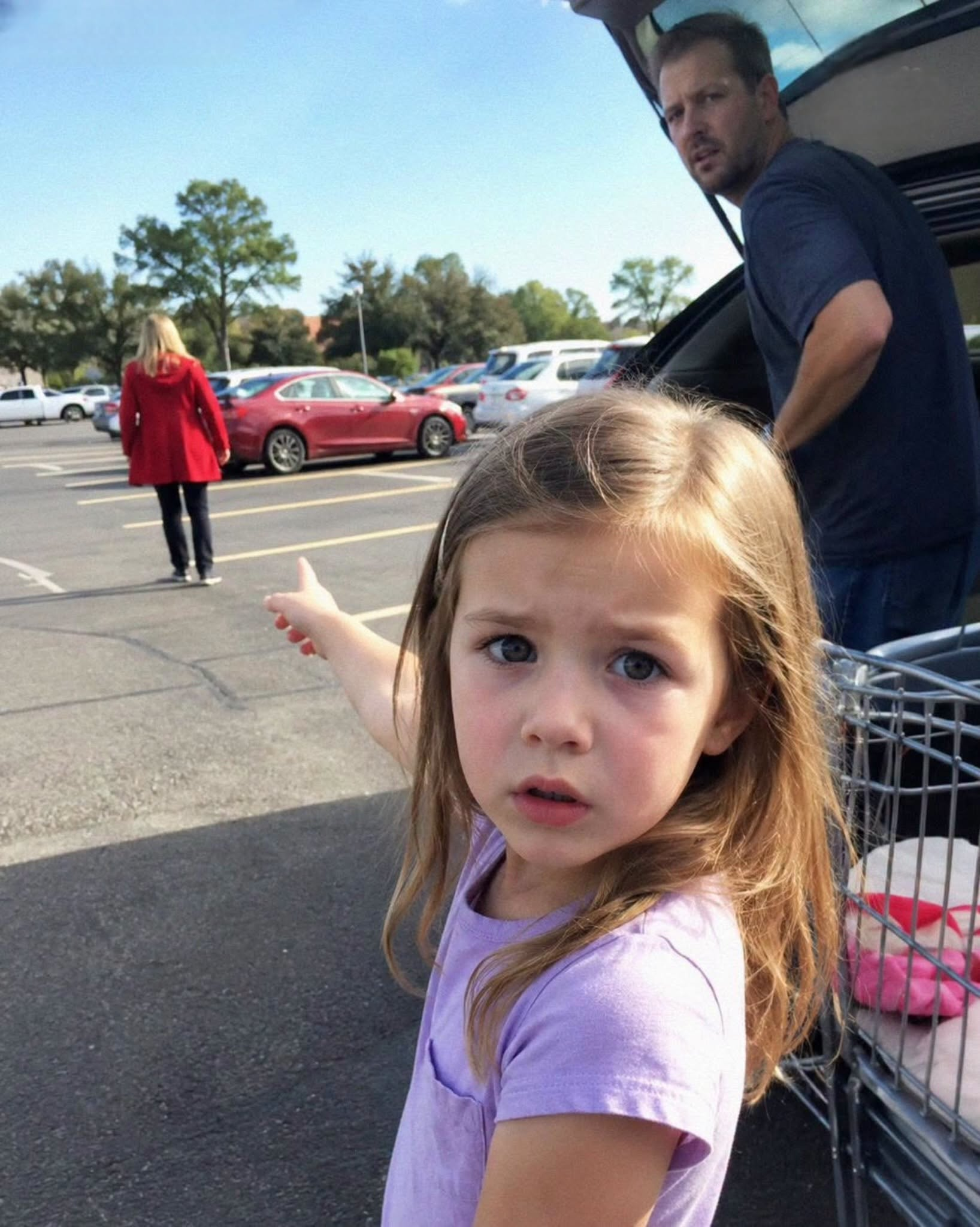
Children notice more than adults often assume. A young child may overhear a phone conversation, see a parent’s raw expression, or misinterpret a payment for counseling as something more mysterious. Their comments, delivered without filters, can force a conversation that both adults have been avoiding. The shock of an unexpected observation can temporarily look like evidence of a double life. In reality it may simply be the first crack in a carefully maintained wall of self-protection.
The cost of prolonged emotional isolation inside a marriage is rarely dramatic at first. Small absences accumulate. Conversations stay on the surface. Physical closeness may continue while emotional intimacy thins. The partner who is not privy to the private struggle may fill the silence with their own explanations—work stress, residual trauma, or the fear that something more troubling is being concealed. Suspicion and concern can grow side by side until a single clarifying discovery rearranges the entire picture.
Learning that a partner has been seeking professional help for grief can land with mixed force. Relief that the behavior was not betrayal sits alongside the pain of realizing the depth of suffering that was hidden. Questions arise: Why was I not trusted with this? Did my own way of grieving make it harder for you to share? The answers usually involve a complicated mixture of love, fear, and cultural scripts about what strength is supposed to look like. Many people, particularly those socialized to equate composure with reliability, believe that breaking down will burden the person they most want to protect.
Shared mourning does not require identical expressions of pain. It does require enough honesty that neither person is left inventing explanations for the other’s distance. Couples who find their way back toward each other after a period of hidden grief often describe a shift from performing resilience to practicing it together. That may involve joint counseling, the creation of new rituals that acknowledge the loss, or simply the permission to be visibly affected without fear of destabilizing the household. The presence of children can complicate these efforts, yet it can also clarify them: modeling the reality that sadness and love can coexist may ultimately serve them better than a sustained performance of unbroken strength.
Professional support remains one of the more reliable bridges. Individual therapy can give the quieter partner a place to unpack feelings without immediately exposing them to the family system. Couples work can then help translate that private processing into a shared language. The goal is not to eliminate differences in grieving style but to keep those differences from hardening into permanent emotional separation.
Assumptions are especially hazardous in the aftermath of major loss. A partner who spends long hours alone, who becomes defensive when certain topics arise, or who reacts with disproportionate intensity to reminders of the past may be protecting a wound rather than concealing misconduct. Checking the more generous interpretation first—while still remaining attentive to genuine red flags—preserves the possibility of connection. When the truth is grief rather than betrayal, the path forward involves dismantling the isolation rather than dismantling the relationship.
Time does not automatically heal the fracture that silence creates. What tends to help is the deliberate choice to stop performing and start revealing, even when the revelation feels risky. A marriage that has room for both the composed version of a person and the broken version is more durable than one that requires constant emotional management. The discovery that a partner has been carrying pain alone can become the moment the load is finally shared. In that sharing, the distance that once looked like secrecy can begin to close, not because the grief disappears, but because it no longer has to be hidden.
Most Popular!
-
 How Many Holes Are in a T-Shirt? What a Simple Puzzle Reveals About How We See
-
The Quiet Stories Inside Secondhand Objects: When a Thrift-Store Find Carries Someone Else’s History
-
Bra Care Basics: Hygiene, Longevity, and Why Rotation Matters More Than You Think
-
Green Onions and Food Safety: What the Risks Actually Are and How to Handle Them Sensibly
-
When Family Hospitality Becomes a One-Way Street: Setting Boundaries with In-Laws Without Destroying the Relationship
-
The One-Ring Phone Scam: Why a Single Missed Call Can Be Expensive—and How to Protect Yourself
-
When Money and Loyalty Collapse Together: Navigating Financial Betrayal in a Marriage
-
The Mattress Tag Myth: Why “Do Not Remove Under Penalty of Law” Does Not Apply to You