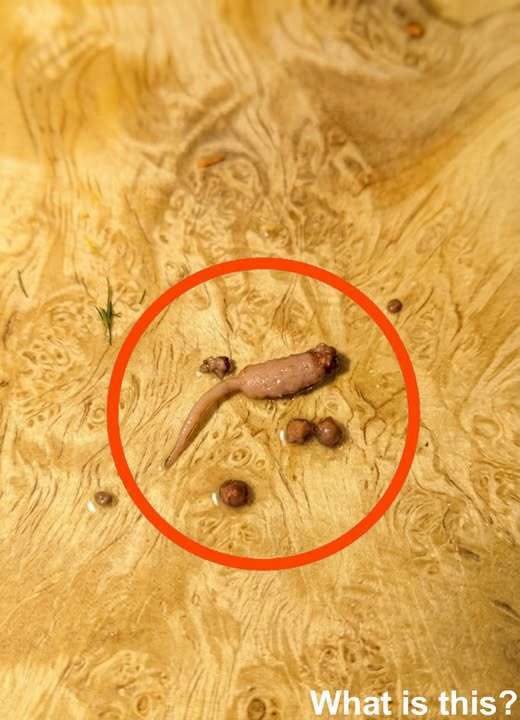
Cooking dinner is supposed to be one of the more ordinary parts of the day. You brown the meat, season it, and move on to the next step. Then something unexpected appears in the pan—a pale, curled, translucent strand that does not look like the rest of the beef. The first reaction for many people is a jolt of alarm. Parasites, contamination, or some failure in the food supply chain immediately come to mind. In most cases, the reality is far less dramatic.
Ground beef is simply muscle tissue that has been passed through a grinder. Along with the lean meat and fat, the process can include small pieces of connective tissue, silver skin, or tendon. These tougher bits do not break down the same way the muscle fibers do. When they hit a hot pan, they contract and twist into irregular shapes. Covered in cooking juices or fat, they can look remarkably like something alive. The resemblance is close enough to trigger a strong disgust response, especially if you are already tired or cooking for children and feeling responsible for their safety.
Understanding the basic anatomy of meat helps quiet the panic. Muscle is made of fibers held together by connective tissue. Commercial grinding is efficient but not perfect. Occasionally a strip of that connective tissue survives the process and ends up in the package. It is not a sign that the meat is spoiled or unsafe. It is a reminder that the product came from an animal rather than a laboratory. The same phenomenon appears in other ground meats and even in some whole cuts when they are cooked quickly over high heat.
Genuine food safety concerns look different. Spoiled meat usually announces itself through smell—sour, ammonia-like, or simply “off.” Color changes that go beyond the normal browning of exposure to air, excessive liquid in the package, or a sticky texture are clearer warning signs. Visible parasites in commercially sold ground beef in regulated markets are uncommon because of inspection standards and the grinding process itself. If something in the pan is moving, segmented, or clearly organic in a way that does not match connective tissue, that is the moment to stop, discard the food, and contact the seller or local health authority with the package information.
The gap between a startling visual and an actual hazard is widened by the way information travels online. Photos of unusual food findings spread quickly, often accompanied by the most alarming interpretation. A piece of gristle becomes a tapeworm. A vegetable fiber becomes a contaminant. The comments amplify the fear before anyone has examined the object closely. Taking thirty seconds to test the texture with a fork—does it stretch like rubber, break apart, or show any signs of life?—usually resolves the question without turning dinner into an emergency.
This does not mean complacency is wise. Foodborne illness is real, and ground meat requires careful handling because the grinding process distributes surface bacteria throughout the product. Cooking to a safe internal temperature, avoiding cross-contamination, and refrigerating promptly remain the most effective protections. Those practices address the actual risks far better than reacting to every unfamiliar shape in the pan.
Home cooks are increasingly distant from the earlier stages of food production. Few people see a whole animal broken down or watch meat being ground. The tidy plastic trays in the supermarket create an expectation of uniformity. When something interrupts that uniformity, the reaction can be stronger than the situation warrants. Learning to distinguish between the merely unappetizing and the genuinely unsafe is a practical skill that reduces both waste and unnecessary stress.
If the sight of the connective tissue has already ruined your appetite, there is no requirement to force the meal. Discarding the batch and starting over is a reasonable personal choice. What is less useful is assuming the entire food system has failed on the basis of one odd piece of tissue. Most packages of ground beef will contain none of these strands. When they appear, they are usually harmless byproducts of processing rather than evidence of danger.
The broader lesson is about calibrated attention. Vigilance around food is valuable. Catastrophizing every anomaly is exhausting and often inaccurate. Looking more closely, testing assumptions against basic knowledge of how meat behaves under heat, and reserving genuine alarm for clearer signs of spoilage or contamination keeps the kitchen a place of nourishment instead of constant suspicion. Most of the time, the strange thing in the pan is simply part of the animal that did not break down the way the rest of the meat did. Recognizing that fact restores a sense of proportion and lets dinner proceed without the added weight of imagined disaster.
Most Popular!
-
 How Many Holes Are in a T-Shirt? What a Simple Puzzle Reveals About How We See
-
The Quiet Stories Inside Secondhand Objects: When a Thrift-Store Find Carries Someone Else’s History
-
Bra Care Basics: Hygiene, Longevity, and Why Rotation Matters More Than You Think
-
Green Onions and Food Safety: What the Risks Actually Are and How to Handle Them Sensibly
-
When Family Hospitality Becomes a One-Way Street: Setting Boundaries with In-Laws Without Destroying the Relationship
-
When Strength Becomes Silence: Hidden Grief and the Distance It Creates in a Marriage
-
The One-Ring Phone Scam: Why a Single Missed Call Can Be Expensive—and How to Protect Yourself
-
When Money and Loyalty Collapse Together: Navigating Financial Betrayal in a Marriage