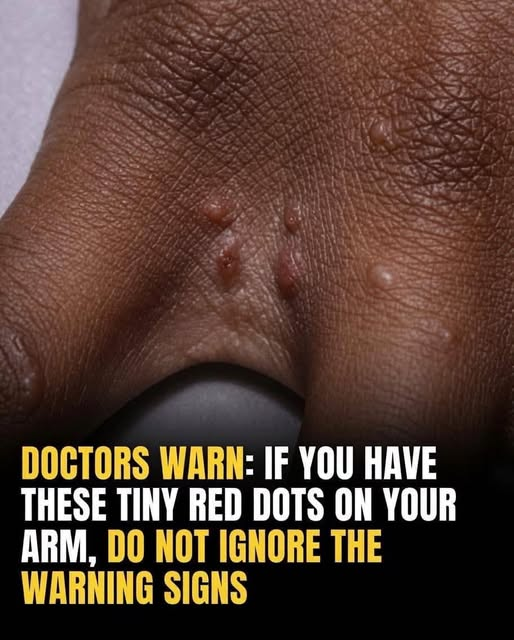
Many people notice small, itchy blisters appearing on their palms or the sides of their fingers and wonder what is causing the discomfort. What starts as a mild irritation can quickly turn into painful, fluid-filled bumps that make simple tasks difficult. This pattern often points to dyshidrotic eczema, a skin condition that affects the hands and feet and tends to flare during certain times of the year.
The condition usually begins with intense itching followed by tiny blisters that form deep in the skin. These blisters may cluster together and eventually dry out, leading to peeling, cracking, and sometimes secondary infections if not cared for properly. Unlike regular dry skin or simple rashes, dyshidrotic eczema often returns in cycles and can be triggered by stress, seasonal allergies, or contact with certain metals and chemicals.
People with a history of other types of eczema or allergies seem more likely to experience this condition. The blisters can make hands feel stiff and uncomfortable, affecting work, hobbies, and daily routines. Recognizing the early signs helps prevent the problem from becoming more severe and allows for quicker relief.
Treatment often starts with topical creams to reduce inflammation and itching. Doctors may recommend stronger options for stubborn cases, including light therapy or oral medications. Keeping the skin moisturized with fragrance-free products forms the foundation of long-term management and helps repair the skin barrier.
Home care plays an important role alongside medical treatment. Cold compresses can soothe burning sensations, while gentle soaks with colloidal oatmeal ease itching. Avoiding known triggers such as harsh soaps, excessive sweating, and certain allergens reduces the frequency of flare-ups.
Many individuals find that stress management techniques also help control symptoms. Simple practices like deep breathing or short walks can make a noticeable difference during high-stress periods. Consistent skincare routines that focus on hydration and protection often lead to fewer and milder episodes over time.
It is important not to ignore persistent symptoms or attempt to self-diagnose. A dermatologist can confirm whether the rash is dyshidrotic eczema or something else entirely. Early professional evaluation prevents complications and ensures the right treatment plan from the start.
With proper care, most people successfully manage dyshidrotic eczema and maintain comfortable skin. Understanding personal triggers and sticking to a gentle routine empowers individuals to take control of their skin health. Relief is possible, and many find their symptoms become much more manageable with the right approach.
Paying attention to what your skin is telling you makes a real difference. Small changes in daily habits combined with medical guidance often bring significant improvement. Taking action at the first sign of trouble helps protect your hands and overall well-being.
If you notice recurring itchy blisters or changes in your skin, consider speaking with a healthcare professional soon. Early attention can prevent unnecessary discomfort and help you get back to feeling comfortable in your own skin. Your hands work hard for you every day, and giving them proper care is always worthwhile.
Most Popular!
-
 The Abandoned Twins on the Beach: The Secret My Daughters Kept for 18 Years Will Leave You Speechless
-
The Ticking Time Bomb in Your Veins: Why Your Hands Could Be Warning You of a Hidden Crisis
-
The Mystery of the Kitchen Island Shelf: The Hidden Secret Your Designer Never Told You
-
The Dark Secret in Your Morning Mug: Doctors Finally Expose the Hidden Toll of Your Daily Coffee Habit
-
The Tackle Box Terror: My Husband Kept My Daughter Hidden for a Year and I Only Found Out Because of a Clumsy Mistake
-
The Mother Who Abandoned Her Triplets for a Life of Luxury Just Returned — And Her Daughters’ Revenge Will Leave You Speechless
-
The Hundred Rose Mystery: I Thought My Wife Was Cheating — Until the Note Brought Me to My Knees
-
The Marriage Contract from Hell: How My Husband’s Mother Tried to Control Our Lives — Until I Fought Back