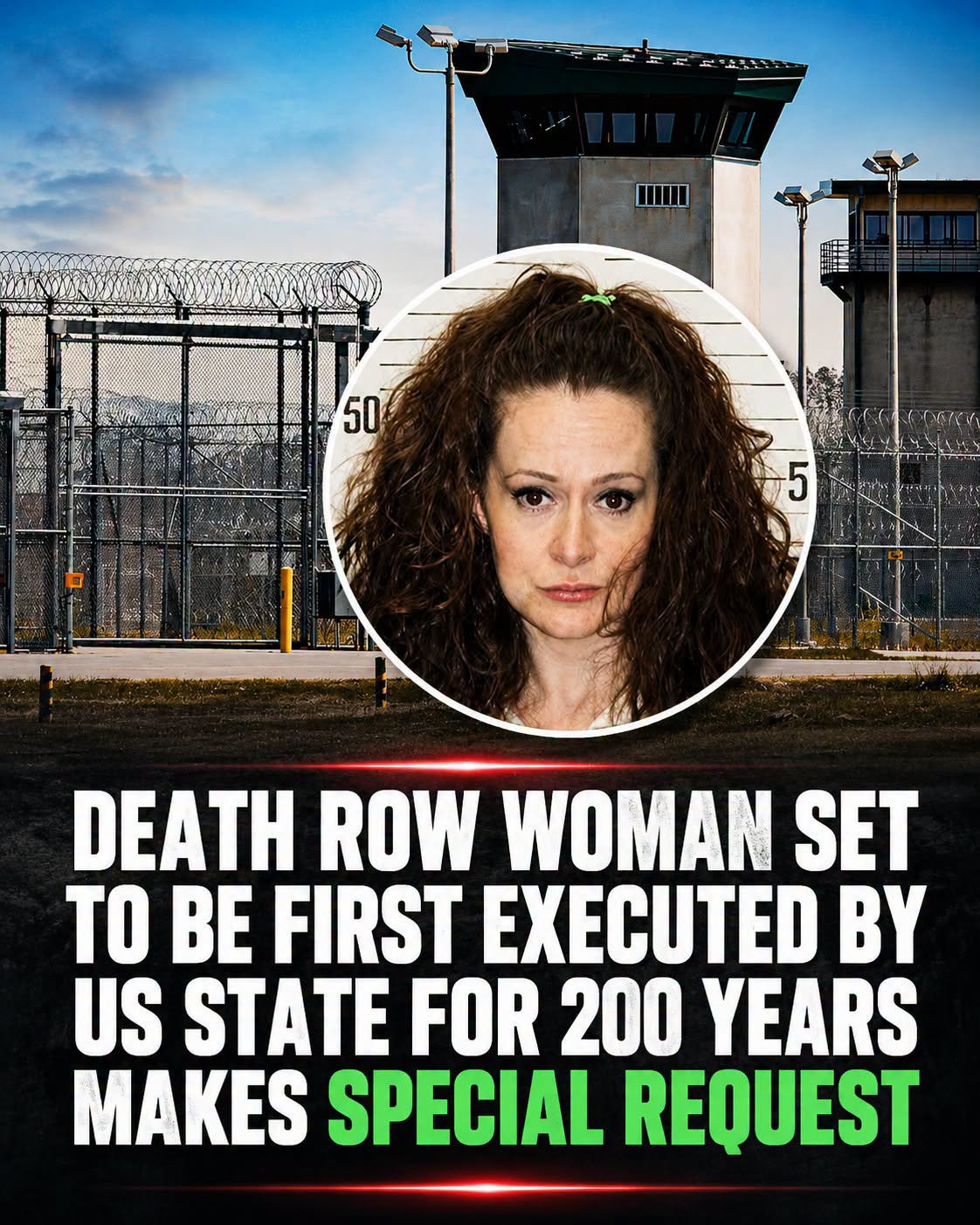
The death penalty remains one of the most controversial and emotionally charged issues in the justice system. Recent cases involving botched executions have brought renewed attention to the methods used and the human realities behind the legal process. One death row inmate’s attorney has come forward with disturbing details about an upcoming execution, raising serious questions about the reliability and humanity of lethal injection protocols.
Botched executions—where the process goes wrong and the condemned person experiences prolonged suffering—have occurred with disturbing frequency in recent years. These incidents often involve difficulties finding suitable veins, problems with drug combinations, or unexpected reactions that turn what’s supposed to be a quick and humane procedure into something far more traumatic. The attorney’s revelations about their client’s impending execution highlight ongoing concerns about the current system’s ability to carry out death sentences without causing unnecessary suffering.
The human reality behind the statistics
Death row inmates are often reduced to case numbers and legal arguments in public discourse. However, each case involves real people with complex histories, many of whom have spent decades in prison reflecting on their crimes and their lives. The attorney’s account humanizes the process by revealing the fear, uncertainty, and physical suffering that condemned individuals face as execution dates approach.
The legal team’s concerns about their client’s upcoming execution center on specific problems with the lethal injection protocol being used. Issues with drug quality, administration methods, and medical oversight have created situations where executions take much longer than intended and cause visible distress. These accounts challenge the notion that lethal injection represents a humane alternative to other execution methods.
Broader questions about capital punishment
Cases involving botched executions fuel ongoing debates about whether the death penalty can ever be administered in a way that meets constitutional standards against cruel and unusual punishment. The Supreme Court and lower courts continue grappling with these issues as new evidence emerges about the practical realities of execution procedures.
Critics argue that the death penalty system contains too many opportunities for error, bias, and unnecessary suffering. Supporters maintain that certain crimes warrant the ultimate punishment and that society has both the right and responsibility to impose it. The tension between these perspectives creates complex legal and moral questions that resist simple answers.
The role of defense attorneys
Death penalty cases place enormous pressure on defense attorneys who must navigate both legal strategy and the human realities of representing someone facing execution. Many describe the work as emotionally taxing, requiring them to maintain professional detachment while fighting for their clients’ lives. The attorney in this case has chosen to speak publicly about their concerns, hoping to draw attention to systemic problems in how executions are carried out.
Legal professionals working on death penalty cases often witness the full spectrum of human experience—from the worst crimes to moments of genuine remorse and rehabilitation. Their perspectives provide valuable insights into both the justice system’s strengths and its failures.
Moving forward with difficult questions
The issues raised by botched executions and problematic lethal injection protocols require serious examination by policymakers, legal experts, and the public. Whether the solution lies in improving execution methods, implementing moratoriums, or reconsidering the death penalty entirely remains hotly debated.
For the families of victims, the death penalty often represents justice and closure. For the families of the condemned, it means losing a loved one through state action. The moral and emotional weight of these decisions affects everyone involved in the justice system.
The human cost on all sides
Stories about impending executions and their complications remind us that capital punishment involves real human suffering regardless of which side of the issue one supports. The condemned person faces death, their families face loss, and society bears the moral burden of deciding when taking a life is justified.
As technology and medical understanding continue advancing, questions about execution methods will likely persist. The search for truly humane ways to carry out death sentences, if they exist, remains elusive. Many legal experts argue that the inherent difficulties make the death penalty incompatible with modern standards of decency and reliability.
The attorney’s revelations about their client’s situation add another chapter to the ongoing national conversation about capital punishment. Whether this particular case leads to changes in procedure or broader policy remains to be seen. For now, it serves as a sobering reminder of the human realities behind legal abstractions and the continuing debate about justice, mercy, and the state’s role in taking human life.
The issues surrounding the death penalty resist simple solutions. As society continues grappling with these difficult questions, the focus should remain on ensuring justice while minimizing unnecessary suffering on all sides. The attorney’s decision to speak out reflects the deep ethical concerns many legal professionals face when confronting the realities of capital punishment in practice.
Most Popular!
-
 The Flashy Red Invader Destroying Your Backyard: Why You Must Declare War on This Pest Today
-
The Wedding Day Heartbreak That Turned Into a Brutal Lesson: How a Grandmother’s Revenge Left the Bride in Tears
-
The Final Silence of an Outlaw: The Complicated, Unsolved Legacy of Country Icon David Allan Coe
-
My Son Shaved His Head for His Cancer-Stricken Girlfriend – But When Her Mother Called, I Feared the Worst
-
The Constitutional Clash of the Century: Why a Single Federal Court Ruling Has the Entire Military on Edge
-
12 Toxic Habits of the Elderly: Why Your Loved Ones Are Pushing Everyone Away (And Don’t Even Know It)
-
She Didn’t Cut Her Hair for 25 Years – Then She Made a Choice That Left Everyone Stunned
-
The Grocery Store Stranger Who Unlocked My Wife’s 12-Year Secret