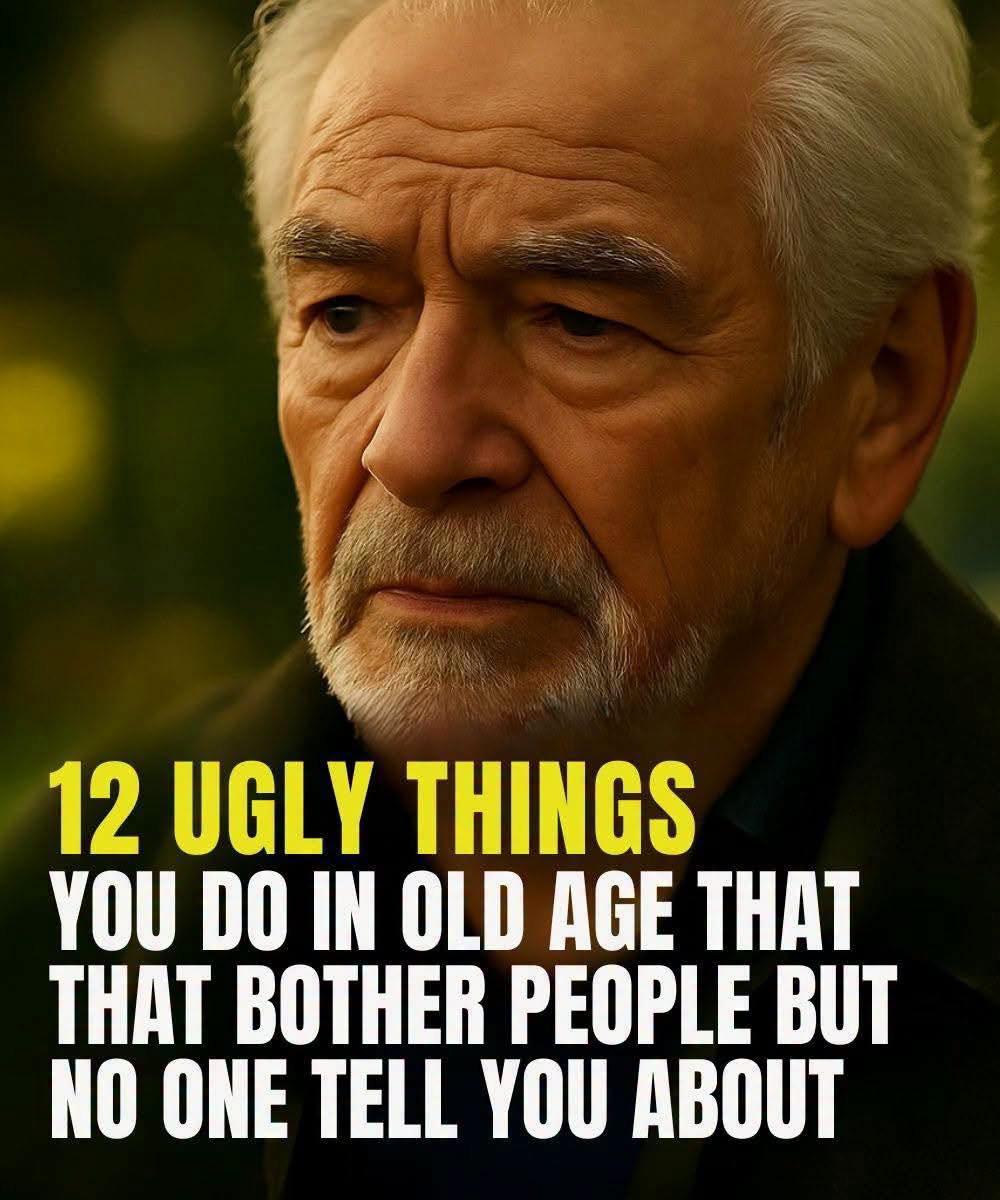
Aging brings wisdom and perspective, but it can also create behavioral patterns that unintentionally damage relationships with family and friends. Many elderly individuals develop habits over time that push loved ones away without realizing the impact. Understanding these common toxic patterns helps both seniors and their families address issues constructively and maintain stronger connections across generations.
Common relationship-damaging habits
Constant criticism and negativity: Some older adults develop a habit of focusing on what’s wrong rather than appreciating what’s right. This negativity can drain energy from family interactions and make visits feel like obligations rather than joyful connections.
Refusing help when needed: Pride and independence are admirable qualities, but stubborn refusal of assistance can frustrate family members who want to help. This creates tension when loved ones see clear needs but face resistance to support.
Living in the past: While sharing memories is wonderful, some seniors get stuck comparing everything to “how things used to be,” making it difficult for younger generations to share their own experiences and perspectives.
Emotional manipulation: Guilt-tripping, playing favorites, or using health concerns to control family schedules can create resentment and damage relationships over time.
Dismissive attitudes toward technology and change: Mocking or refusing to engage with modern tools and ways of communicating can create barriers between generations and make older adults seem out of touch.
Poor listening skills: Interrupting, changing subjects to talk about themselves, or failing to show genuine interest in others’ lives can make conversations feel one-sided and exhausting.
Hygiene and self-care neglect: Sometimes aging brings reduced attention to personal care that affects how others feel about spending time together. This creates awkwardness that damages relationships.
Financial boundary issues: Offering unsolicited financial advice, asking for money inappropriately, or being overly secretive about finances can create tension and trust problems.
Health complaint cycles: Constant focus on physical ailments without taking positive action can become emotionally draining for family caregivers and visitors.
Resistance to new ideas: Dismissing younger generations’ perspectives or lifestyle choices creates emotional distance and prevents meaningful connection.
Social withdrawal: Some seniors gradually pull away from social activities and family events, creating concern and hurt feelings among loved ones who miss their presence.
Unresolved past resentments: Holding onto old grudges and bringing up ancient family conflicts prevents healing and keeps relationships stuck in negative patterns.
Breaking the cycle through awareness
The good news is that recognizing these patterns represents the first step toward positive change. Many elderly individuals don’t realize how their behavior affects others because they’re focused on their own challenges and losses. Gentle, compassionate conversations about these issues can lead to improved relationships when both sides approach the discussion with love and understanding.
Practical strategies for families
Approach with empathy: Remember that many difficult behaviors stem from fear, loss of control, physical discomfort, or cognitive changes rather than intentional meanness.
Set healthy boundaries: Clear, consistent boundaries protect everyone’s wellbeing while maintaining connection. Express limits with love rather than anger.
Focus on positive interactions: Plan activities that emphasize enjoyment and connection rather than obligation. Short, pleasant visits often work better than long, stressful ones.
Encourage professional support: Mental health support, medical care, and senior community programs can address underlying issues contributing to toxic behaviors.
Maintain your own wellbeing: Caregivers and family members need to protect their own mental health while supporting elderly loved ones. Balance compassion with self-care.
The importance of open communication
Many family conflicts with elderly relatives stem from poor communication rather than fundamental incompatibility. Creating safe spaces for honest but kind conversations about needs and concerns can prevent small issues from becoming major rifts. Regular, low-pressure interactions help maintain connection even when challenges arise.
Finding patience and understanding
Aging brings inevitable losses—physical abilities, independence, friends, and sometimes cognitive function. These changes can manifest as difficult behaviors that strain family relationships. Approaching elderly loved ones with patience and empathy while maintaining healthy boundaries creates the best chance for positive interactions.
The goal isn’t perfect relationships but compassionate connection that honors everyone’s needs and limitations. Many families find that addressing toxic patterns directly but lovingly leads to improved dynamics and deeper appreciation for the time they have together.
Creating positive change
Small, consistent efforts to improve communication and address problematic behaviors can transform family relationships. The elderly person who learns how their actions affect others often becomes motivated to change when they understand the impact. Family members who approach these conversations with love rather than criticism create space for genuine improvement.
Your elderly loved ones may not realize they’re pushing people away. The behaviors that seem toxic often stem from fear, pain, or loss rather than malice. With patience, clear communication, and professional support when needed, many families successfully navigate these challenges and maintain meaningful connections across generations.
The key lies in balancing compassion with healthy boundaries. Love doesn’t require accepting harmful behavior, but understanding the root causes can help you respond with both firmness and kindness. Your patience and willingness to address these issues directly can preserve relationships that might otherwise deteriorate beyond repair.
Take time to reflect on your family dynamics with elderly relatives. Are there patterns that need attention? Approaching these conversations with love and specific examples rather than general criticism creates the best opportunity for positive change. Your efforts to improve these relationships honor both your loved ones and your own emotional wellbeing.
Strong family bonds across generations require ongoing attention and willingness to address difficult issues. Your compassion and honesty can help break cycles of toxic behavior and create healthier dynamics that benefit everyone involved. The time to start these conversations is now, while relationships can still be improved and strengthened.
Most Popular!
-
 The Flashy Red Invader Destroying Your Backyard: Why You Must Declare War on This Pest Today
-
The Wedding Day Heartbreak That Turned Into a Brutal Lesson: How a Grandmother’s Revenge Left the Bride in Tears
-
The Final Silence of an Outlaw: The Complicated, Unsolved Legacy of Country Icon David Allan Coe
-
My Son Shaved His Head for His Cancer-Stricken Girlfriend – But When Her Mother Called, I Feared the Worst
-
The Constitutional Clash of the Century: Why a Single Federal Court Ruling Has the Entire Military on Edge
-
She Didn’t Cut Her Hair for 25 Years – Then She Made a Choice That Left Everyone Stunned
-
The Grocery Store Stranger Who Unlocked My Wife’s 12-Year Secret
-
The Botched Execution Nightmare: Death Row Inmate’s Attorney Reveals Chilling Secret Behind Imminent Lethal Injection