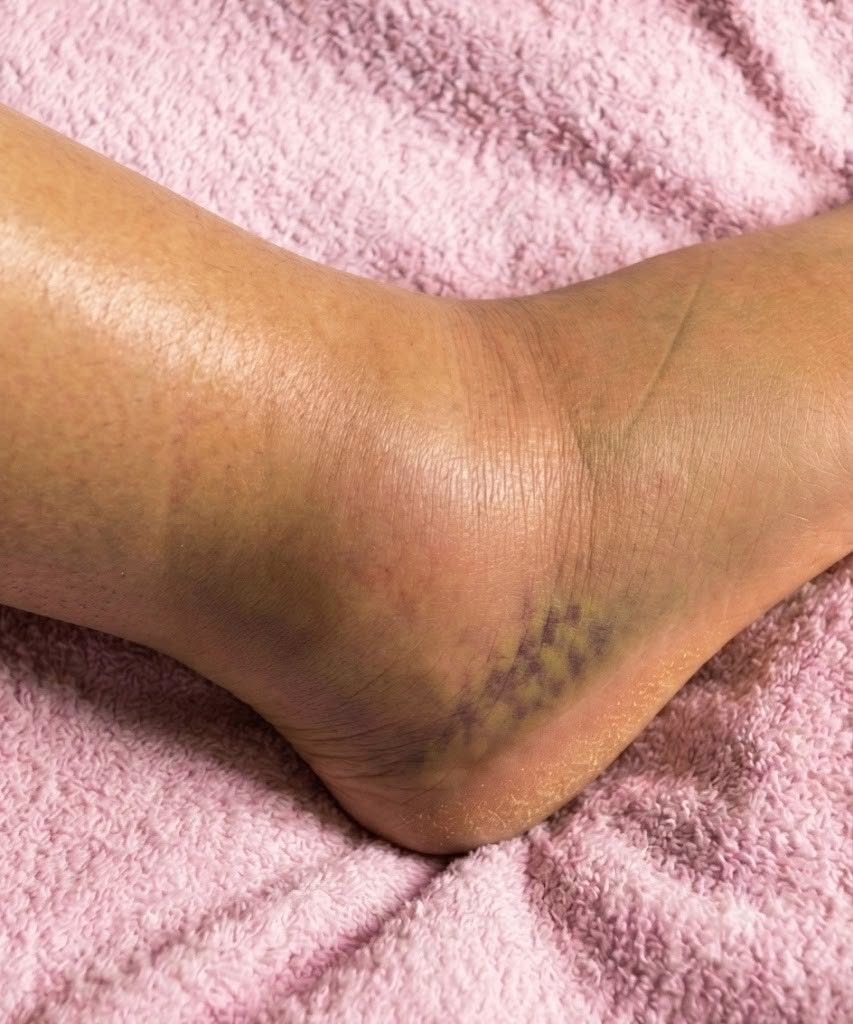
Swollen legs might seem like a minor inconvenience—perhaps from standing too long or eating too much salt. However, persistent or sudden swelling can signal serious underlying health issues that deserve attention. Understanding what your body might be trying to tell you through leg swelling could help you catch problems early and prevent complications.
Common causes of leg swelling
Several factors can contribute to swollen legs, ranging from benign to potentially dangerous:
Venous insufficiency: When veins in your legs have trouble returning blood to your heart, fluid can accumulate. This often worsens throughout the day and improves with elevation. Many people experience this as they age or after prolonged periods of standing.
Heart problems: Congestive heart failure can cause fluid retention that shows up first in the legs. When your heart isn’t pumping efficiently, blood backs up and fluid leaks into surrounding tissues.
Kidney issues: Your kidneys help regulate fluid balance. When they’re not functioning properly, excess fluid can build up throughout your body, often appearing in the legs and ankles.
Liver disease: Similar to kidney problems, liver dysfunction can lead to fluid retention and swelling in the lower extremities.
Blood clots: Deep vein thrombosis (DVT) represents a medical emergency. Sudden swelling in one leg, particularly with pain or warmth, requires immediate attention as clots can break loose and travel to your lungs.
Lymphatic problems: Damage to or blockage of the lymphatic system can cause lymphedema, characterized by swelling that doesn’t improve much with elevation.
Medications: Many common drugs, including blood pressure medications, steroids, and some antidepressants, can cause fluid retention as a side effect.
When swelling signals danger
Certain patterns of leg swelling warrant prompt medical evaluation:
- Sudden swelling in one leg (possible blood clot)
- Swelling accompanied by shortness of breath or chest pain
- Skin that’s red, warm, or painful to touch
- Swelling that doesn’t improve with elevation or overnight
- Pitting edema (when pressing on swollen area leaves a temporary indentation)
These symptoms can indicate serious conditions requiring immediate attention rather than simple fluid retention.
Practical steps for managing swollen legs
Several lifestyle approaches can help reduce swelling:
- Elevate your legs above heart level for 15-30 minutes several times daily
- Stay active with regular walking or movement
- Wear compression stockings as recommended by your doctor
- Reduce sodium intake
- Stay well-hydrated with water
- Maintain healthy weight
- Avoid sitting or standing for long periods without movement
When to see your doctor
Don’t ignore persistent leg swelling. Schedule an appointment if:
- Swelling lasts more than a few days
- It’s accompanied by other concerning symptoms
- You have risk factors like heart disease, diabetes, or previous blood clots
- The swelling is significantly worse in one leg
Your doctor can order appropriate tests to determine the underlying cause and recommend targeted treatment. Early intervention often prevents more serious complications.
The importance of listening to your body
Swollen legs are your body’s way of signaling that something needs attention. While occasional mild swelling might result from temporary factors like heat or salt intake, persistent or sudden changes deserve professional evaluation. Your legs carry you through life—they deserve care and attention when they show signs of distress.
Understanding potential causes empowers you to respond appropriately rather than dismissing symptoms as normal aging or temporary inconvenience. Taking leg swelling seriously can lead to early detection of treatable conditions and better long-term health outcomes.
Maintaining healthy circulation
Several daily habits support good circulation and reduce swelling risk:
- Regular physical activity that includes both cardiovascular exercise and strength training
- Staying hydrated throughout the day
- Eating a balanced diet rich in fruits, vegetables, and lean proteins
- Managing chronic conditions like high blood pressure and diabetes
- Avoiding prolonged periods of immobility
Your body has remarkable ways of communicating when something isn’t right. Swollen legs often represent an early warning system worth paying attention to. By listening to these signals and seeking appropriate medical care when needed, you can address potential issues before they become more serious problems.
The next time you notice swelling in your legs or ankles, don’t simply wait for it to go away. Consider what your body might be trying to tell you and take appropriate action. Your future health and mobility may depend on how seriously you take these important signals today.
Regular movement, proper hydration, and attention to your body’s warning signs create the foundation for healthy circulation and overall wellbeing. Listen to your legs when they speak—they’re carrying you through life and deserve your care and attention.
Most Popular!
-
 The Flashy Red Invader Destroying Your Backyard: Why You Must Declare War on This Pest Today
-
The Wedding Day Heartbreak That Turned Into a Brutal Lesson: How a Grandmother’s Revenge Left the Bride in Tears
-
The Final Silence of an Outlaw: The Complicated, Unsolved Legacy of Country Icon David Allan Coe
-
My Son Shaved His Head for His Cancer-Stricken Girlfriend – But When Her Mother Called, I Feared the Worst
-
The Constitutional Clash of the Century: Why a Single Federal Court Ruling Has the Entire Military on Edge
-
12 Toxic Habits of the Elderly: Why Your Loved Ones Are Pushing Everyone Away (And Don’t Even Know It)
-
She Didn’t Cut Her Hair for 25 Years – Then She Made a Choice That Left Everyone Stunned
-
The Grocery Store Stranger Who Unlocked My Wife’s 12-Year Secret