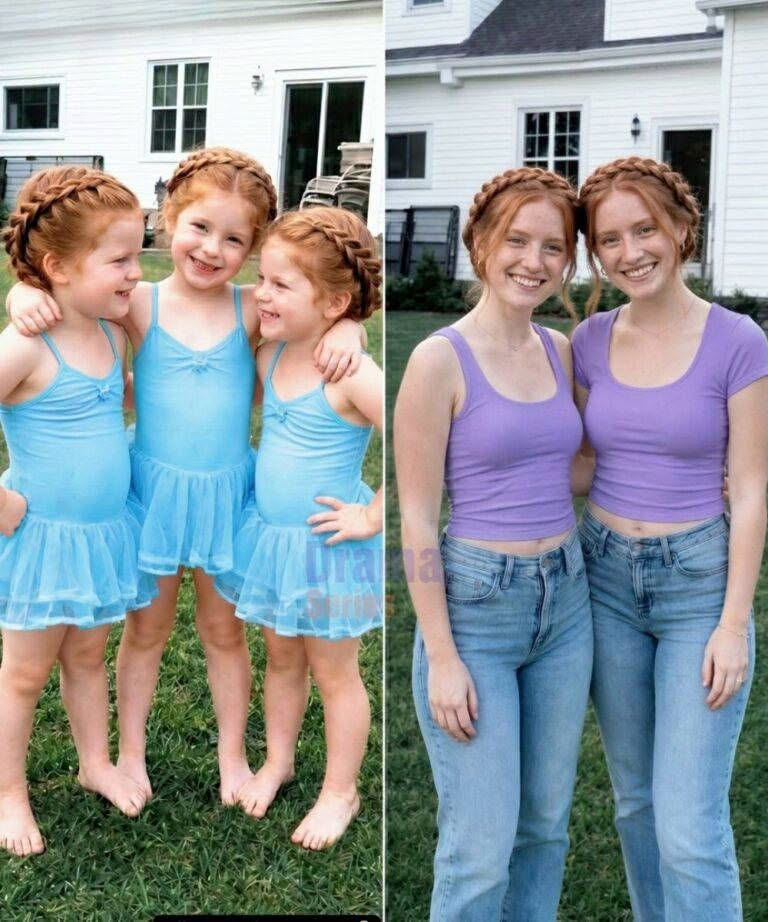
Losing a sibling at a young age leaves an indelible mark that shapes identities and relationships in profound ways. For two triplet sisters named Leila and Gia, the death of their sister Nora when they were just eleven created a void that defined much of their childhood and teenage years. Ten years later, on their 21st birthday, their mother gave them a special box containing letters, recordings, and mementos from Nora. This unexpected gift became a catalyst for healing, reconnection, and understanding the depth of their sister’s love even after her passing. Their story illustrates how grief can isolate but also how love transcends time through thoughtful legacies left behind.
The three sisters shared an incredibly close bond during their early years. Nora, the oldest by seven minutes, naturally took on a protective role, mediating arguments and caring for her younger siblings with wisdom beyond her years. Leila and Gia looked up to her as both leader and friend, creating a dynamic filled with laughter, playful fights, and deep affection. Their mother often found them huddled together during thunderstorms or sharing secrets late into the night. This tight-knit trio seemed unbreakable until illness changed everything unexpectedly.
Nora’s diagnosis brought fear and uncertainty into their home. Hospital visits replaced normal childhood activities while the family tried maintaining some sense of normalcy. Nora remained brave and thoughtful even as her health declined, always prioritizing her sisters’ feelings over her own discomfort. Her strength during treatment inspired those around her while highlighting the unfairness of losing someone so young and vibrant. The eventual loss left Leila and Gia struggling with complicated grief that manifested differently for each sister.
For years after Nora’s death, silence and distance grew between the surviving sisters. Leila became withdrawn and angry while Gia internalized her pain quietly. Birthdays became particularly difficult occasions marked by an empty chair and unspoken sorrow. Their mother watched helplessly as grief created walls between her daughters rather than bringing them closer. The family learned to navigate daily life around the absence, but emotional healing remained elusive until the special box appeared on their 21st birthday.
The box contained carefully preserved items including letters addressed to each sister and one for both. Nora had written them before her death, anticipating this milestone and wanting to offer guidance and love from beyond. Her words addressed specific memories, fears, and hopes she had for each girl. A recording allowed them to hear her voice again, bringing both tears and comfort. These personal messages helped bridge the emotional gap that had grown between Leila and Gia over the years.
Reading Nora’s letters revealed her deep understanding of her sisters’ personalities and struggles. She encouraged them to support each other rather than drift apart in grief. Her words emphasized celebrating life and maintaining their bond as triplets even without her physical presence. This wisdom from their sister’s younger self provided perspective that therapy and time alone hadn’t achieved. The family spent hours sharing memories and processing emotions together that day.
The experience transformed their relationship and approach to grief. Leila and Gia began communicating more openly about their feelings and shared memories of Nora. Birthdays became celebrations honoring all three rather than focusing solely on loss. Their mother finally saw her daughters reconnecting in ways she had hoped for years. The box became a treasured family heirloom passed down with stories of love that transcended death.
This powerful story highlights how thoughtful legacies can heal deep wounds left by loss. Parents facing similar situations might consider creating memory boxes or letters for surviving children. Siblings often need permission and guidance to maintain connections after losing a brother or sister. Grief looks different for everyone, but shared memories and open communication help bridge divides created by pain.
Nora’s final gifts demonstrated incredible foresight and love for her family. Her letters provided comfort, wisdom, and permission to move forward while keeping her memory alive. Leila and Gia’s journey from isolation to reconnection shows that healing is possible even after profound loss. Their story continues inspiring families dealing with sibling loss to find ways honoring the deceased while nurturing surviving relationships. Love, it seems, finds ways to reach across time when expressed with intention and care.
Most Popular!
-
 Eggs, Cholesterol, and Timing: What Actually Matters for Most People
-
When a Partner Leaves With More Than a Suitcase: Protecting Yourself From Financial Betrayal
-
When Financial Support Meets Contempt: Recognizing Exploitation Inside a Marriage
-
Why Some Sensory Toys and Household “Hacks” Do Not Belong in the Microwave
-
When Grief Clouds Judgment: Misreading Silence and the Quiet Ways People Show Care
-
When One Partner Does All the Hosting: Recognizing Imbalance Before Resentment Takes Over
-
How Many Holes Are in a T-Shirt? What a Simple Puzzle Reveals About How We See
-
The Quiet Stories Inside Secondhand Objects: When a Thrift-Store Find Carries Someone Else’s History