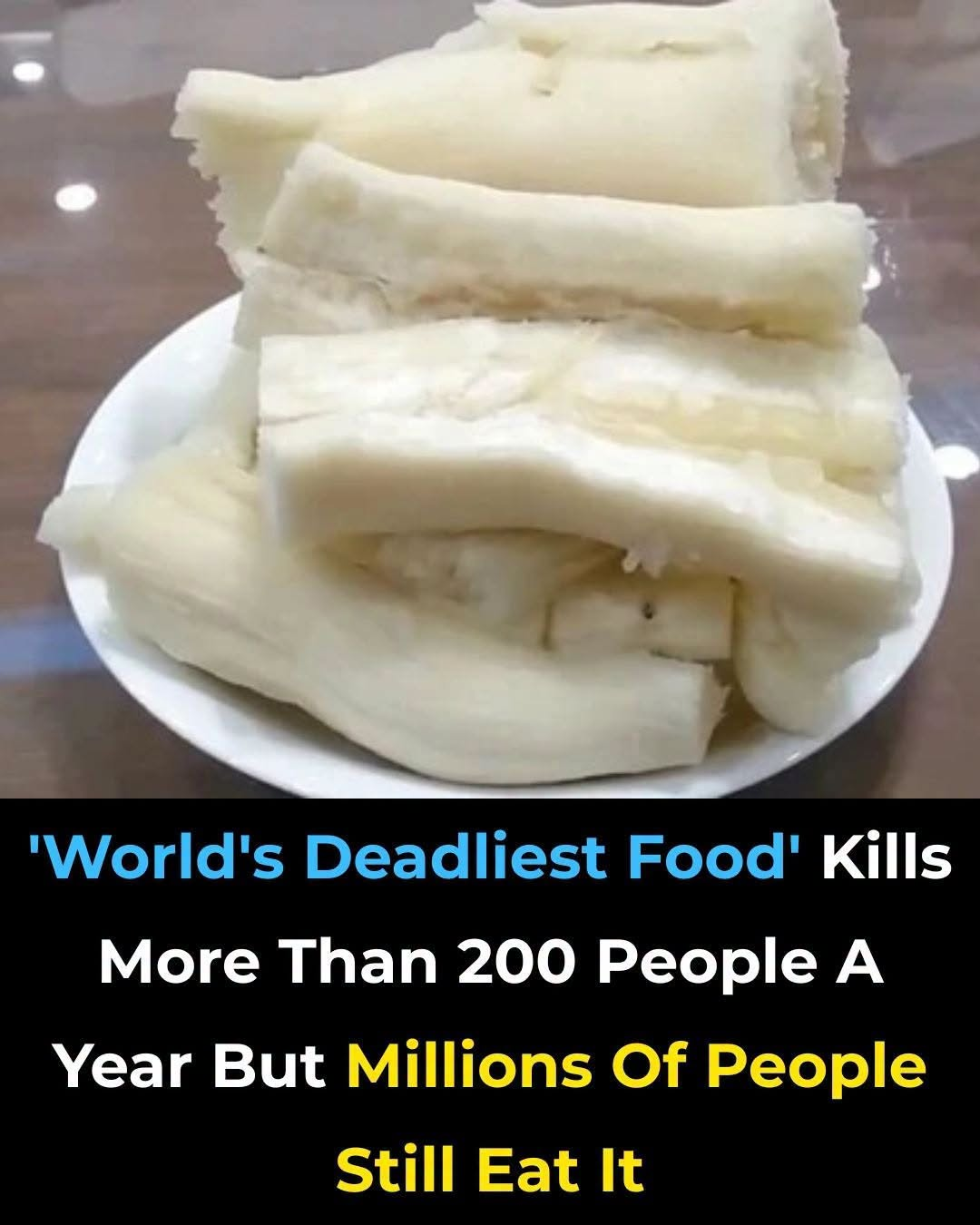
Many everyday foods we take for granted carry hidden risks if not handled properly, but few match the deceptive danger of cassava, a staple root vegetable feeding hundreds of millions worldwide. Known by different names like yuca or manioc, this hardy plant thrives in tough conditions where other crops fail, making it a lifeline for food security in parts of Africa, Asia, and Latin America. Yet beneath its innocent appearance lies a natural toxin that can release deadly cyanide when consumed incorrectly. This silent threat has claimed lives and caused irreversible harm, turning a nutritious source into a potential health disaster for those unaware of its risks. Understanding cassava’s dark side is crucial in our interconnected world where global ingredients appear on more dinner tables than ever before.
Cassava’s toxicity stems from compounds called cyanogenic glucosides present throughout the plant. When the root is damaged, grated, or eaten raw, these compounds break down and produce hydrogen cyanide, a fast-acting poison that prevents cells from using oxygen effectively. Symptoms range from headaches and dizziness to vomiting, paralysis, and in severe cases, death. The World Health Organization reports hundreds of annual fatalities linked to improper preparation, with outbreaks spiking during times of famine or conflict when people skip safety steps out of desperation. Even in milder forms, chronic low-level exposure contributes to neurological issues, highlighting why this crop demands respect and knowledge rather than casual consumption.
The most devastating outcome of cassava poisoning is a condition known as konzo, which strikes suddenly and leaves victims with permanent leg paralysis. It hits hardest in impoverished regions where diets rely heavily on bitter cassava varieties and lack sufficient protein to help the body detoxify cyanide. Without enough sulfur-containing amino acids from other foods, the poison accumulates, damaging the nervous system over time. Children and women often suffer most due to nutritional vulnerabilities, turning a daily staple into a heartbreaking source of disability. These cases serve as stark reminders that food safety isn’t just about avoiding obvious contaminants but respecting traditional preparation wisdom passed down through generations.
Proper processing transforms cassava from risky to reliable, involving several time-intensive steps developed over centuries by communities familiar with its dangers. Peeling the tough outer skin comes first, followed by thorough washing, soaking for days to leach out toxins, grating, fermenting, and cooking at high temperatures. These methods allow harmful compounds to escape or break down harmlessly. Sweet cassava varieties contain lower toxin levels and require less intensive treatment, but bitter types – more resilient to pests – demand extra care. Modern techniques like drying into flour can be safe too when done correctly, but shortcuts in home kitchens or during scarcity lead to tragedy. Education on these processes remains vital for preventing avoidable suffering.
In wealthier countries, cassava often appears as tapioca, chips, or flour in recipes, seeming perfectly harmless after commercial processing. However, as international trade brings more raw or minimally processed forms into global markets, home cooks must stay informed. Recipes calling for cassava should always emphasize safe handling, especially for those experimenting with traditional dishes or gluten-free alternatives. While regulated products in supermarkets are generally safe, understanding the plant’s biology helps consumers make smarter choices and appreciate the effort behind seemingly simple ingredients. This knowledge bridges cultural gaps and promotes better health practices everywhere.
Beyond individual meals, cassava’s story touches on larger issues of food security, agriculture, and public health. Researchers are developing sweeter, lower-toxin varieties and improved farming methods to reduce risks while maintaining yields. International organizations work with local communities to spread awareness and provide tools for safer processing, particularly in high-risk areas. Climate change and population growth increase reliance on hardy crops like cassava, making these efforts even more urgent. Balancing nutritional benefits with safety requires ongoing investment in science and community education rather than fear-mongering about a valuable food source.
Many people remain unaware of cassava’s potential hazards, assuming all vegetables are inherently safe if washed. This misconception can be dangerous for travelers, immigrants recreating homeland recipes, or anyone buying from unregulated sources. Simple precautions like buying from reputable suppliers, following preparation guidelines strictly, and combining cassava with protein-rich foods go a long way. Parents should especially monitor children’s intake, as smaller bodies are more susceptible to toxins. By treating cassava with the same caution as other potentially risky foods like certain mushrooms or raw beans, we honor its benefits while minimizing downsides.
The tale of cassava also offers broader lessons about our relationship with nature and traditional knowledge. Indigenous practices often encode survival wisdom refined through trial and error over generations. Dismissing or rushing these methods in favor of convenience has real consequences, as seen in konzo outbreaks. In our fast-paced modern lives, slowing down to respect food preparation rituals can reconnect us with healthier, more mindful eating. It encourages curiosity about where our meals come from and how they reach our plates, fostering appreciation for the farmers and processors working with challenging crops daily.
As awareness grows, innovations continue to make cassava safer and more accessible. From fortified varieties addressing nutritional gaps to user-friendly processing equipment for small farms, progress is happening. Individuals can contribute by supporting ethical sourcing, learning basic safe recipes, and sharing accurate information rather than sensational headlines. For those in affected regions, access to diverse diets rich in protein helps buffer against risks. Globally, this root reminds us that no food is perfect, but informed choices empower us to enjoy staples responsibly without fear.
Ultimately, cassava’s dual nature as both lifesaver and potential killer underscores the power of knowledge in everyday decisions. While it sustains populations where other foods cannot, respecting its preparation requirements prevents needless harm. Next time you encounter cassava in any form, remember the science and stories behind it, choosing safety alongside flavor. By staying educated and vigilant, we can continue benefiting from this remarkable plant while protecting vulnerable communities and our own families from its hidden threats. In a world full of dietary advice, understanding specifics like this builds true food wisdom for healthier lives all around.
Most Popular!
-
 Eggs, Cholesterol, and Timing: What Actually Matters for Most People
-
When a Partner Leaves With More Than a Suitcase: Protecting Yourself From Financial Betrayal
-
When Financial Support Meets Contempt: Recognizing Exploitation Inside a Marriage
-
Why Some Sensory Toys and Household “Hacks” Do Not Belong in the Microwave
-
When Grief Clouds Judgment: Misreading Silence and the Quiet Ways People Show Care
-
When One Partner Does All the Hosting: Recognizing Imbalance Before Resentment Takes Over
-
How Many Holes Are in a T-Shirt? What a Simple Puzzle Reveals About How We See
-
The Quiet Stories Inside Secondhand Objects: When a Thrift-Store Find Carries Someone Else’s History