Sleep paralysis affects millions of people worldwide, creating terrifying episodes where individuals find themselves awake but completely unable to move or speak. This mysterious phenomenon often occurs during transitions between sleep and wakefulness, leaving sufferers feeling trapped in their own bodies while experiencing vivid hallucinations that can range from benign to deeply disturbing. Understanding sleep paralysis helps reduce fear associated with these episodes while providing practical strategies for managing and preventing them. This common yet poorly understood condition reveals fascinating insights into how our brains function during sleep cycles.
The experience typically happens when person becomes conscious during REM sleep stage when body naturally experiences temporary paralysis to prevent acting out dreams. Most episodes last only seconds to minutes but can feel much longer due to intense fear and disorientation they create. People report inability to move limbs, speak, or even open eyes fully while remaining aware of surroundings. This combination of awareness and immobility creates profound sense of vulnerability that makes episodes particularly distressing for those who experience them regularly.
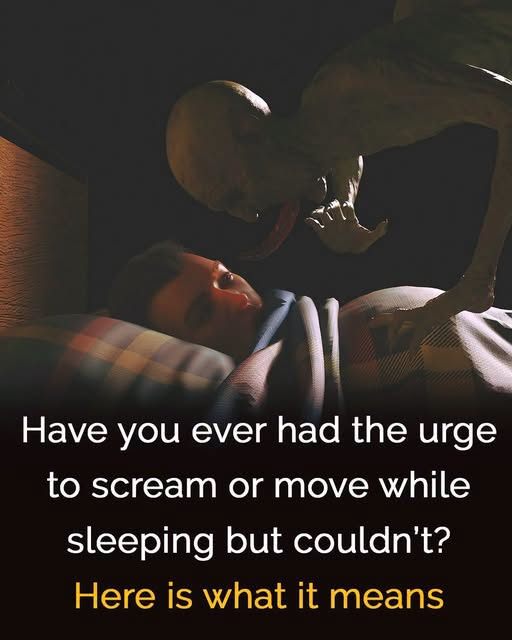
Hallucinations frequently accompany sleep paralysis, adding psychological dimension to physical immobility. Many report sensing presence in room, seeing shadowy figures, or feeling pressure on chest that makes breathing difficult. These experiences often feel incredibly real and can trigger panic responses that intensify episode. Cultural interpretations of these hallucinations vary widely, with some societies describing them as supernatural visitations while others recognize them as brain-generated phenomena. Scientific understanding points to misfiring of normal sleep mechanisms rather than external forces.
Several factors increase likelihood of experiencing sleep paralysis including irregular sleep schedules, stress, sleep deprivation, and certain sleeping positions. People with narcolepsy show higher rates of episodes while lifestyle factors like shift work or frequent travel across time zones can trigger occurrences in otherwise unaffected individuals. Understanding personal triggers helps develop prevention strategies such as maintaining consistent sleep routines, managing stress levels, and creating optimal sleep environments that promote uninterrupted rest cycles.
Practical techniques for managing episodes when they occur focus on staying calm and using mental strategies to regain control. Many people find that focusing on small movements like wiggling fingers or toes can help break paralysis faster. Breathing exercises and positive self-talk reduce panic that often prolongs episodes. Creating safe sleep environment with comfortable bedding and consistent bedtime routines minimizes frequency of occurrences for those prone to condition. Professional help becomes important when episodes significantly disrupt sleep quality or cause ongoing anxiety about bedtime.
Scientific research continues exploring underlying mechanisms of sleep paralysis while developing better treatment approaches for frequent sufferers. Studies examine brain activity patterns during episodes and potential connections to other sleep disorders. Some researchers investigate genetic factors that might predispose certain individuals to more frequent experiences. Greater understanding of condition helps reduce stigma and fear while improving quality of life for those affected by recurrent episodes that can significantly impact daily functioning.
Cultural and historical accounts of sleep paralysis appear across different societies and time periods, often interpreted through spiritual or supernatural frameworks before modern medical understanding emerged. These historical descriptions provide fascinating insights into how humans have tried explaining mysterious experiences throughout history. Contemporary scientific approaches complement rather than invalidate cultural interpretations by providing physiological explanations while acknowledging profound subjective nature of episodes. This interdisciplinary perspective enriches understanding of complex interaction between brain, consciousness, and cultural beliefs.
Sleep paralysis represents mysterious but generally harmless phenomenon that affects millions yet remains relatively unknown to general public. Greater awareness helps reduce fear and shame associated with episodes while encouraging people to seek appropriate help when experiences become frequent or particularly distressing. Understanding normal sleep mechanisms and practical management strategies empowers individuals to minimize impact on daily life and overall well-being. The condition serves as fascinating reminder of brain’s complexity during sleep states and boundaries between conscious awareness and physical control.
For those experiencing sleep paralysis, knowing that episodes are temporary and relatively common can provide significant comfort during frightening moments. Developing consistent sleep hygiene practices, managing stress effectively, and maintaining regular consultation with healthcare providers when episodes persist help create comprehensive approach to managing this mysterious condition. The scientific community’s growing interest in sleep paralysis continues yielding valuable insights that improve treatment options and public understanding. As research advances, hope remains that better prevention and management strategies will reduce suffering for millions who experience these unsettling episodes. The mysterious and frightening nature of sleep paralysis ultimately reminds us of brain’s remarkable complexity and importance of quality sleep for overall health and well-being. Understanding and addressing this common phenomenon represents important step toward better sleep health for everyone.
Most Popular!
-
 Eggs, Cholesterol, and Timing: What Actually Matters for Most People
-
When a Partner Leaves With More Than a Suitcase: Protecting Yourself From Financial Betrayal
-
When Financial Support Meets Contempt: Recognizing Exploitation Inside a Marriage
-
Why Some Sensory Toys and Household “Hacks” Do Not Belong in the Microwave
-
When Grief Clouds Judgment: Misreading Silence and the Quiet Ways People Show Care
-
When One Partner Does All the Hosting: Recognizing Imbalance Before Resentment Takes Over
-
How Many Holes Are in a T-Shirt? What a Simple Puzzle Reveals About How We See
-
The Quiet Stories Inside Secondhand Objects: When a Thrift-Store Find Carries Someone Else’s History