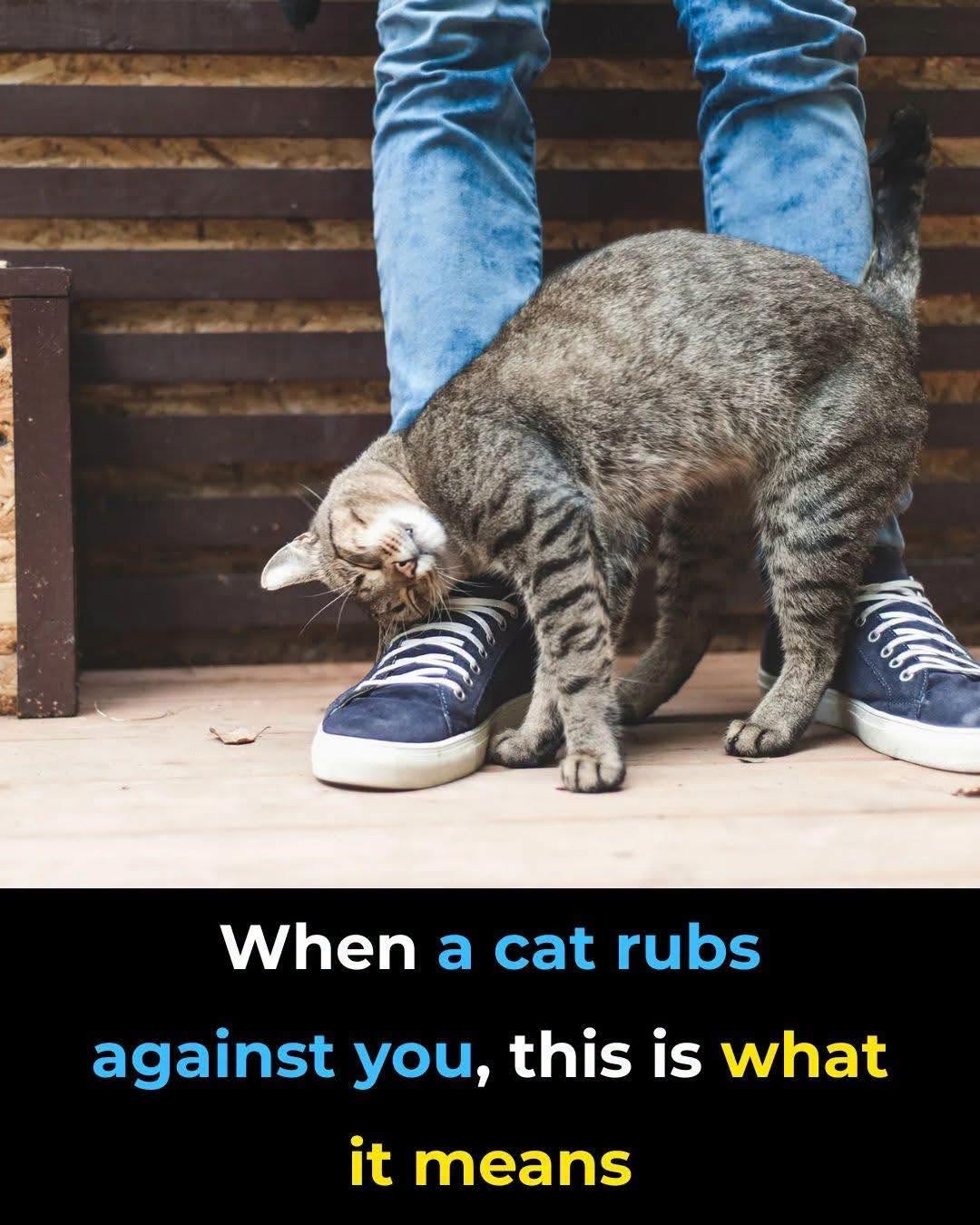
You’ve probably experienced it countless times — your cat approaches you with purpose, presses their head firmly against your hand, arm, or leg, and rubs with obvious affection. Many cat owners interpret this as a simple gesture of love, and while that’s partly true, the behavior carries much deeper meaning in feline communication. That persistent head butt isn’t just your cat saying hello — it’s a complex social signal packed with information about trust, territory, affection, and even health. Understanding what your cat is really trying to tell you through these gentle (or sometimes not-so-gentle) head butts can deepen your bond and potentially alert you to important changes in their well-being.
In the world of cat behavior, head-butting is known as “bunting.” Cats have scent glands located on their cheeks, forehead, and chin that release pheromones when they rub against objects or people. When your cat head-butts you, they’re essentially marking you with their scent, claiming you as part of their trusted inner circle. This is a high compliment in cat society — they don’t share their scent with just anyone. It’s their way of saying “you belong to me” and “I feel safe with you.” The behavior is most common among cats who feel secure and bonded with their humans, making it a positive indicator of a healthy relationship.
The intensity and frequency of head-butting can reveal important information about your cat’s emotional state. A gentle, occasional head nudge might simply be a greeting or request for attention. But persistent, forceful head-butting can indicate a cat seeking reassurance, dealing with stress, or experiencing discomfort. Cats who suddenly increase their bunting behavior might be trying to communicate anxiety about changes in their environment, health issues, or a need for more interaction. Paying attention to context — when the behavior occurs, how your cat seems overall, and any other changes in their routine — can help you better understand what they’re trying to express.
Beyond emotional communication, head-butting serves practical purposes in feline social structure. In multi-cat households, cats use bunting to establish hierarchy and maintain group cohesion. A dominant cat might head-butt others to reinforce their status, while subordinate cats use the behavior to show deference and maintain peace. When your cat head-butts you, they’re treating you as a member of their colony — a significant honor in their social world. This behavior is particularly meaningful coming from cats who are typically more reserved or independent with strangers.
The health implications of head-butting behavior are often overlooked but important to consider. Excessive head-pressing — where a cat pushes their head against surfaces with unusual force — can sometimes indicate neurological issues or discomfort. While affectionate head-butting is normal and gentle, persistent head-pressing against walls or furniture warrants immediate veterinary attention. Similarly, changes in bunting patterns, such as sudden avoidance of head contact or aggressive bunting, might signal pain, illness, or stress that needs professional evaluation. Your cat’s head butts are part of their communication system — learning to read them accurately can help you catch potential health issues early.
Understanding the science behind head-butting can make the behavior even more meaningful. Cats have a specialized organ called the vomeronasal organ (or Jacobson’s organ) that processes pheromones and chemical signals. When they head-butt, they’re not just marking territory — they’re gathering information about your emotional state, health, and familiarity. This chemical communication is incredibly sophisticated, allowing cats to maintain complex social bonds with minimal vocalization. The head butt is essentially your cat’s way of staying connected to you on a sensory level that humans can only partially understand.
For new cat owners or those strengthening their bond with a rescue cat, encouraging and reciprocating head-butting behavior can be incredibly rewarding. When your cat head-butts you, respond with gentle petting on their head and cheeks — areas where they have scent glands and particularly enjoy touch. This positive reinforcement helps build trust and deepens your connection. Many behaviorists recommend “returning the head butt” by gently pressing your forehead against your cat’s when they initiate contact. This reciprocal behavior strengthens the bond and helps your cat feel understood and valued.
The emotional benefits of understanding your cat’s head-butting extend beyond the immediate interaction. Cats who feel secure and bonded with their humans tend to be less stressed, more affectionate, and generally healthier. This mutual understanding creates a positive feedback loop where both human and cat benefit from the relationship. For people dealing with anxiety, depression, or loneliness, a cat’s consistent head-butting can provide comfort and a sense of being needed that is deeply therapeutic.
Different cats express themselves through head-butting in unique ways. Some are enthusiastic bunters who greet their humans with full-body enthusiasm, while others offer more reserved, delicate head touches. Learning your individual cat’s style of communication helps you better respond to their needs and preferences. Age, personality, past experiences, and health status all influence how cats use this behavior, making each relationship unique and worth paying attention to.
The next time your cat head-butts you, take a moment to appreciate the complex communication happening. That simple gesture represents trust, affection, territorial claiming, and social bonding all wrapped into one instinctive action. Understanding what your cat is really saying can transform your relationship from one of basic care to genuine companionship. Those head butts aren’t just cute — they’re your cat’s way of telling you they’ve chosen you as part of their family.
Your cat’s persistent head-butting might just be their most important declaration of all — that you are loved, trusted, and considered part of their inner circle. In a world where communication between species can feel mysterious, this simple behavior offers a clear window into your cat’s heart. Pay attention to those head butts. Respond with love and respect. And remember that sometimes the most meaningful conversations happen without a single word being spoken — just a gentle press of a furry head against your hand, saying everything that needs to be said. Your cat has chosen you. And that choice is worth celebrating every single day.
Most Popular!
-
 The Secret Wedding of the Century: Ryan Seacrest’s Shocking Engagement Reveal That Has Hollywood Trembling
-
The Million-Dollar Secret: My Ex-Fiancé’s Mother Sabotaged My Life But a 20-Year-Old Trust Proved She Didn’t Own My Future
-
The House Stealing Trap: My Husband and Mother-in-Law Thought I Was Their Perfect Mark Until I Revealed My Secret
-
The Unforgivable Betrayal: Why This Father’s Choice to End His Own Son’s Life Has Destroyed a Community
-
The Great Erasure: Brad Pitt’s Worst Nightmare Comes True as His Last Son Finally Abandons the Family Name
-
The Final Curtain Call: The Heartbreaking Truth Behind Daytime TV Legend Phil Donahue’s Passing
-
The Silent Killer on Your Breakfast Table: Are You Eating Your Way to a Diabetic Crisis?
-
The Breakfast Nightmare: Why That Terrifying Red Spot in Your Egg Is Actually Good News