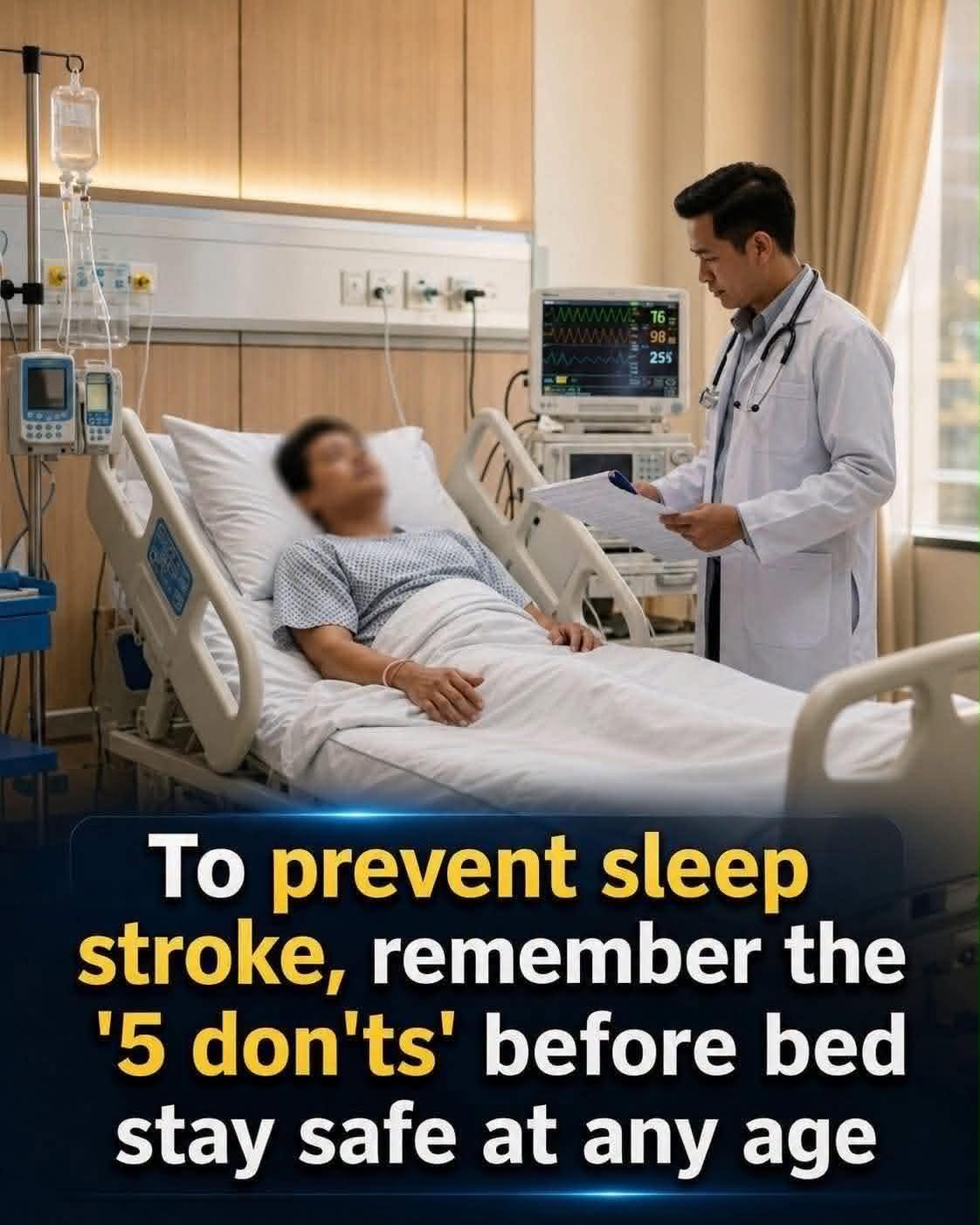
We climb into bed each night expecting rest and recovery, but for thousands of people every year, the hours spent sleeping become the most dangerous time of the day. A “wake-up stroke” — waking up with sudden weakness, slurred speech, or facial drooping after going to bed feeling perfectly fine — is a terrifying reality that accounts for up to a quarter of all ischemic strokes. These events happen because certain common nightly habits quietly stress the cardiovascular system at the exact moment when blood pressure and clotting factors naturally fluctuate in dangerous ways. The good news is that understanding these hidden risks and making small adjustments to your evening routine can dramatically lower your chances of becoming one of those statistics.
Strokes occur when blood flow to part of the brain is interrupted, depriving brain cells of oxygen and nutrients. During sleep, our bodies go through important repair processes, but they also experience natural shifts that can tip the scales toward trouble. Blood pressure often dips at night and then rises sharply in the early morning hours as the body prepares for waking. This surge, combined with increased blood thickness and platelet stickiness, creates a perfect storm if any underlying issues like plaque buildup or inflammation are present. When poor nightly habits add extra strain — whether through blood sugar spikes, blood pressure surges, or disrupted breathing — the risk multiplies.
One of the biggest culprits is eating too late or too heavily. Many of us unwind with a big dinner or late-night snack, then head straight to the couch or bed. Lying down soon after eating can trigger acid reflux and force the digestive system to work overtime while the body should be resting. This diverts blood flow, raises blood sugar, and puts unnecessary pressure on the heart and arteries. Studies consistently link late-night eating to higher rates of metabolic problems that damage blood vessels over time. Giving yourself at least two to three hours between your last substantial meal and bedtime allows proper digestion and gives your cardiovascular system a chance to settle into true recovery mode.
Alcohol is another silent contributor that many underestimate. That evening glass of wine might feel relaxing, but it actually disrupts sleep architecture and causes blood pressure fluctuations throughout the night. It can lead to dehydration, interrupted deep sleep, and rebound hypertension in the early morning hours — exactly when wake-up strokes are most common. While moderate drinking has been debated for heart health, heavy or late consumption clearly works against your brain’s nighttime protection. Swapping the nightcap for herbal tea or water earlier in the evening is a simple swap with big protective benefits.
Hot baths or showers right after eating carry their own risks too. When you submerge in hot water, blood rushes toward the skin to release heat, pulling it away from the digestive organs that need it most after a meal. This shift can cause dizziness, strain the heart, and create temporary imbalances that stress the vascular system. Waiting until digestion has had time to progress before enjoying a warm bath keeps everything in better balance and reduces unnecessary cardiovascular load during vulnerable nighttime hours.
Sleep apnea and poor sleep habits deserve special attention because they directly impact brain health. Snoring, gasping, or repeatedly waking up unrested might seem like minor annoyances, but they cause repeated drops in blood oxygen levels and spikes in blood pressure that damage arteries over time. Untreated sleep apnea is strongly linked to higher stroke risk, yet millions remain undiagnosed. Creating a consistent sleep schedule, keeping the bedroom cool and dark, avoiding screens before bed, and addressing breathing issues with a doctor can transform your nights from risky to restorative.
Even seemingly small choices like irregular bedtimes or consuming caffeine too late in the day sabotage sleep quality and raise stroke risk. The body thrives on routine. When your internal clock is constantly disrupted, inflammation increases, blood pressure regulation suffers, and the brain misses out on critical repair time. Cutting off caffeine by early afternoon and aiming for seven to nine hours of quality sleep on a regular schedule helps stabilize the systems that protect against vascular events.
Movement after dinner is one of the most underrated protectors. A short, gentle walk after eating helps regulate blood sugar, improves circulation, and prevents the post-meal slump that leads many people to lie down too soon. You don’t need an intense workout — just ten to fifteen minutes of light activity can make a measurable difference in how your body processes the day’s final meal and prepares for rest.
Staying hydrated throughout the day while tapering off in the evening also matters. Proper hydration keeps blood flowing smoothly, but loading up right before bed can lead to nighttime bathroom trips that fragment sleep and raise blood pressure. Finding the right balance supports overall vascular health without disrupting rest.
The beauty of stroke prevention through nightly habits is that the changes are practical and sustainable. You don’t need extreme overhauls or expensive gadgets. Small, consistent adjustments — eating lighter earlier, staying upright longer after meals, limiting alcohol, prioritizing sleep hygiene, and addressing potential breathing issues — create powerful protection over time. These habits don’t just lower stroke risk; they improve energy, mood, and overall quality of life.
For those already living with risk factors like high blood pressure, diabetes, or a family history of stroke, these nighttime adjustments become even more critical. Regular check-ups, medication adherence when prescribed, and open conversations with your doctor about sleep quality can catch problems early. Recognizing the warning signs of stroke using tools like FAST (Face drooping, Arm weakness, Speech difficulty, Time to call emergency services) remains essential, especially since wake-up strokes often leave people unable to seek help immediately.
Parents and families can benefit too by modeling healthy evening routines. Teaching children the value of consistent bedtimes, balanced dinners, and screen-free wind-downs sets them up for lifelong brain health. What we do in the hours before sleep shapes not just our own futures but the health patterns our kids carry forward.
The bedroom should be a sanctuary of healing, not a hidden source of risk. By becoming more mindful of how we end our days, we give our brains and bodies the best possible conditions for overnight repair instead of silent strain. The difference between waking up refreshed and waking up facing a medical emergency often comes down to choices we make when the sun goes down.
Your nightly habits are more powerful than you might realize. They either support your brain’s delicate nighttime balance or quietly undermine it. By making intentional adjustments — lighter evenings, better timing, consistent rest, and addressing sleep disruptions — you take meaningful control over one of the most important aspects of long-term health. The investment of a few small changes pays enormous dividends in peace of mind and vitality for years to come.
Start tonight with one or two adjustments. Stay upright longer after dinner, swap the late drink for calming tea, or commit to a more consistent bedtime. Your future self — and your brain — will thank you for turning those quiet bedroom hours into true recovery time rather than hidden risk. In the battle against stroke, the most powerful weapons are often the simplest daily decisions we make when the lights go out.
Most Popular!
-
 The Redistricting Reckoning: Virginia Courtroom Defeat Leaves Democrats in Chaos and Republicans Poised for Gains
-
The Microphone From Hell: How My Vile Mother-in-Law Tried to Destroy My Wedding—And Ended Up Humiliating Herself Instead
-
The Terrifying Discovery in the Lake: My Search for the Truth Behind the Eerie Underwater Orbs
-
The Horror at Skeleton Bridge: A Young Woman’s Fatal Leap, the Forgotten Rope, and the Chilling Three-Word Excuse That Shocked a Nation
-
The Exploding Danger Sitting in Your Passenger Seat: Why That Innocent Water Bottle Could Torch Your Car
-
The Risky Decision I Made to Help My Shy Son Go to Prom—and the Beautiful Truth That Left Me in Tears
-
The Timeless Beauty and Quiet Strength of Bo Derek: Where the Icon Is Today and How She’s Living Now
-
The Devastating Truth Behind a Family Dog and Infant Tragedy That Every Parent Needs to Understand