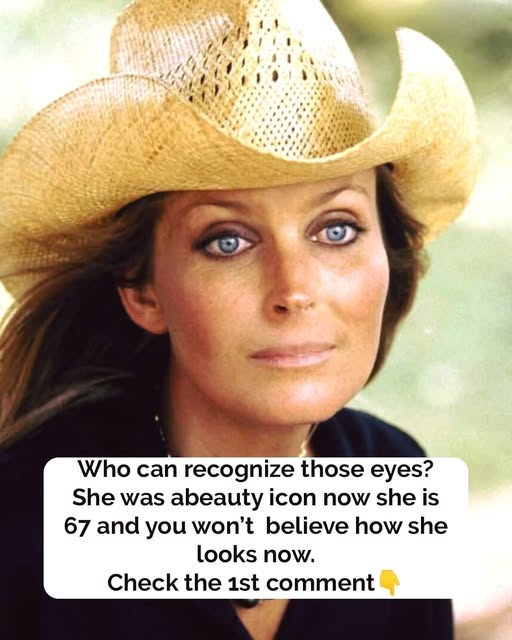
Bo Derek burst onto the silver screen in the late 1970s as the ultimate symbol of effortless beauty and youthful allure, captivating audiences with a single iconic image that defined an era. Her golden hair, radiant smile, and confident presence in the 1979 romantic comedy 10 turned her into an international sensation almost overnight. Decades later, she remains one of Hollywood’s most enduring icons—not just for her looks, but for the way she navigated fame, personal loss, and the pressures of an industry obsessed with youth. Now in her late sixties, Bo Derek has stepped away from the spotlight in many ways, choosing a grounded, fulfilling life centered on love, animals, and personal passions that reflect a woman who has always charted her own course.
Born Mary Cathleen Collins on November 20, 1956, in Long Beach, California, Bo grew up in a world far removed from the glitz of Hollywood. Her early life was shaped by her mother’s work as a makeup artist and hairdresser, which provided early exposure to the entertainment industry. As a teenager, she began modeling and caught the attention of filmmaker John Derek, who would become both her mentor and eventual husband. Their controversial relationship—John was significantly older—sparked media attention from the start, but it also launched her acting career. She adopted the name Bo and made her film debut in And Once Upon a Time before landing the role that would change everything.
The movie 10, directed by Blake Edwards and starring Dudley Moore, catapulted her to superstardom. Her character, Jenny Hanley, embodied the fantasy of the perfect woman, particularly in that famous beach-running scene that became etched in pop culture history. Bo’s cornrow hairstyle, athletic figure, and natural charisma made her a sex symbol, but she also brought a refreshing innocence and humor to the role. The film’s massive success opened doors to more projects, though many of them leaned heavily on her physical appeal. Films like Tarzan, the Ape Man and Bolero showcased her beauty but also typecast her in ways that limited deeper dramatic opportunities. Throughout the 1980s, she balanced modeling, acting, and public appearances while learning to navigate the often shallow waters of celebrity.
Her marriage to John Derek in 1976 was a defining chapter. He directed several of her films and played a major role in shaping her image. Their relationship was passionate and complex, lasting until his death in 1998 from heart failure. Bo has spoken openly about the profound grief she experienced and how it forced her to reassess her life and priorities. Rather than retreating into bitterness, she channeled that loss into personal growth, emerging stronger and more independent. The couple had no children together, but Bo maintained close relationships with John’s family and continued honoring the creative partnership they built.
In the years following John’s passing, Bo gradually stepped back from mainstream acting. She appeared in supporting roles, including the comedy Tommy Boy alongside Chris Farley and David Spade, where she showed her comedic timing and willingness to poke fun at her own image. Television work, guest spots, and occasional films kept her connected to the industry without the intense demands of leading roles. Her approach reflected a woman who valued quality of life over constant visibility—a refreshing stance in an industry that often discards actresses as they age.
Today, Bo Derek lives a relatively private and fulfilling existence alongside her husband, actor John Corbett. The couple began dating in 2002 and married in a quiet ceremony in December 2020. They share a beautiful ranch-style home in Santa Barbara, California, where they enjoy a peaceful rural lifestyle surrounded by nature and animals. Bo has long been an avid equestrian and animal lover, and their property includes horses, dogs, and other creatures that bring her daily joy. Her routine often involves caring for the animals, gardening, swimming for exercise, and spending quiet evenings with John watching movies or Jeopardy!—a simple rhythm that contrasts sharply with her glamorous past.
Beyond her personal life, Bo remains passionate about causes close to her heart. She has been a longtime advocate for animal welfare and has supported various environmental and conservation efforts. Her love for horses runs deep, and she has participated in equestrian events and charitable initiatives tied to animal rescue. These pursuits keep her active and engaged, providing purpose beyond the entertainment world. While she is not officially retired and occasionally makes public appearances—often to support John’s projects or attend special events like film festivals—she has largely stepped away from the relentless pace of Hollywood.
Her enduring beauty and graceful aging continue to draw admiration. Bo has always maintained a healthy lifestyle, crediting discipline, outdoor activities, and a positive mindset. She appears radiant in rare red carpet moments, proving that confidence and self-care matter more than chasing perpetual youth. Fans appreciate her authenticity—she has never shied away from discussing the realities of aging or the challenges of life in the public eye. This honesty has earned her respect across generations, turning her from a 1970s sex symbol into a role model for living life on one’s own terms.
Reflecting on Bo Derek’s journey reveals a woman who has mastered the art of reinvention. From the whirlwind of sudden fame to the quiet strength found in later years, she has consistently prioritized substance over spectacle. Her story resonates because it shows that iconic beauty can coexist with depth, resilience, and quiet contentment. In an industry that often defines women by their appearance, Bo chose to define herself by her passions, relationships, and inner peace.
For those who grew up admiring her on screen, seeing her today brings a sense of nostalgia mixed with inspiration. She represents a bridge between classic Hollywood glamour and modern authenticity. Her marriage to John Corbett, marked by mutual respect and shared adventures, offers a beautiful example of finding love later in life. Together they enjoy the simple pleasures that many in the spotlight sacrifice—time in nature, meaningful routines, and freedom from constant scrutiny.
Bo’s legacy extends beyond any single film or image. She helped shape conversations around beauty standards, the pressures of fame, and the importance of animal welfare. Younger generations discovering her work through streaming or classic film channels often comment on her natural presence and the timeless quality of her performances. While she may not seek the spotlight as actively as before, her influence lingers in the cultural memory of 10 and the graceful way she has aged.
As she continues this chapter of her life, Bo Derek remains a symbol of elegance, independence, and quiet strength. Her days filled with horses, dogs, gardening, and love reflect a woman at peace with her journey. She has shown that life after fame can be rich, purposeful, and deeply satisfying. For anyone navigating their own path through public expectations or personal reinvention, her story offers encouragement to embrace authenticity and find joy in what truly matters.
In a world that moves quickly and often values youth above all else, Bo Derek stands as proof that beauty evolves, strength deepens, and the best chapters can come later. She may have slowed her acting pace, but her presence—both on screen in our memories and in her private world of love and animals—continues to inspire. Here’s to a woman who captured hearts decades ago and still holds them with the same gentle power today. Her journey reminds us all to live fully, love deeply, and create a life that feels true to who we are at every stage.
Most Popular!
-
 The Redistricting Reckoning: Virginia Courtroom Defeat Leaves Democrats in Chaos and Republicans Poised for Gains
-
The Microphone From Hell: How My Vile Mother-in-Law Tried to Destroy My Wedding—And Ended Up Humiliating Herself Instead
-
The Terrifying Discovery in the Lake: My Search for the Truth Behind the Eerie Underwater Orbs
-
The Horror at Skeleton Bridge: A Young Woman’s Fatal Leap, the Forgotten Rope, and the Chilling Three-Word Excuse That Shocked a Nation
-
That Quiet Bedroom Habit Could Be Quietly Raising Your Stroke Risk While You Sleep
-
The Exploding Danger Sitting in Your Passenger Seat: Why That Innocent Water Bottle Could Torch Your Car
-
The Risky Decision I Made to Help My Shy Son Go to Prom—and the Beautiful Truth That Left Me in Tears
-
The Devastating Truth Behind a Family Dog and Infant Tragedy That Every Parent Needs to Understand