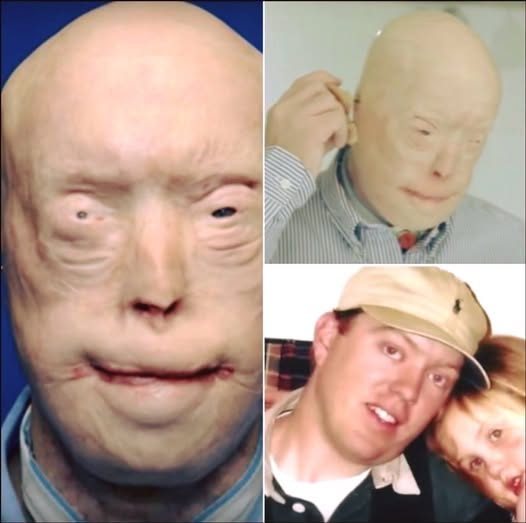
The flames roared through the old warehouse like a living beast, swallowing everything in its path. Veteran firefighter Marcus Reynolds had run into burning buildings hundreds of times before, but that night in 2014 would change his life forever. As he searched for trapped workers, a sudden flashover engulfed him, searing over 40% of his body in seconds. The pain was unimaginable, yet in those critical moments, his training kicked in — he got his team out safely before collapsing. What followed was not just a battle for survival but an extraordinary eleven-year journey of resilience, pain, rediscovery, and quiet strength that continues to inspire everyone who hears his story.
In the immediate aftermath, Marcus faced a fight no one could fully prepare him for. Doctors at the burn center delivered sobering news: multiple surgeries, months in intensive care, and a long road of rehabilitation lay ahead. The burns affected his arms, chest, and face, leaving him in constant pain and dependent on others for basic care. Simple tasks like feeding himself or turning in bed became monumental challenges. Family members took turns at his bedside, watching the once-strong firefighter wrestle with waves of despair as he confronted a body that no longer felt like his own. The physical trauma was compounded by the emotional weight — wondering if he would ever wear his uniform again or hold his young daughter without causing her fear.
Recovery was a grueling marathon measured in millimeters of skin grafts and incremental victories. Physical therapy pushed him to limits he didn’t know existed, stretching scarred tissue and rebuilding strength through exercises that often brought tears. Marcus spoke openly about the darkest days when depression settled in heavily, when the mirror showed a stranger and the future looked impossibly uncertain. Yet he credits his wife’s unwavering love, his daughter’s innocent encouragement, and the brotherhood of fellow firefighters for pulling him through. Support poured in from the community — fundraisers, cards from schoolchildren, and visits from colleagues who refused to let him feel forgotten. These gestures reminded him daily that his service had touched more lives than he realized.
Eleven years later, Marcus stands as living proof of the human spirit’s capacity to adapt and overcome. While scars remain visible reminders of that night, he has transformed them into symbols of survival rather than defeat. He returned to the fire department in a new capacity, training recruits on safety protocols and burn awareness with authenticity that only experience can provide. His story has become a powerful teaching tool, helping young firefighters understand the real human cost behind the gear they wear. Marcus also advocates for burn survivors, speaking at conferences and visiting patients in recovery units to offer the hope he once desperately needed.
The journey reshaped his perspective on life in profound ways. He learned to slow down and appreciate moments that once seemed ordinary — watching his daughter grow, sharing quiet mornings with his wife, and finding joy in simple physical abilities many take for granted. Chronic pain remains part of his daily reality, managed through a combination of medical care, adaptive techniques, and a mindset focused on what he can do rather than what he lost. Marcus emphasizes that healing is not about returning to who you were before but discovering who you can become after. His faith, family support, and purposeful work became the foundation that carried him forward.
One of the most inspiring aspects of Marcus’s story is how he turned personal tragedy into community impact. He helped establish a local support network for first responders dealing with injuries and trauma, creating space for open conversations about mental health that were once stigmatized in the profession. Schools now invite him to speak about fire safety, where children listen wide-eyed as he shares his experiences in ways that are honest yet encouraging. His message is clear: resilience isn’t the absence of struggle but the courage to keep moving through it.
For anyone facing their own life-altering challenges — whether injury, illness, or loss — Marcus’s journey offers valuable lessons. First, accept help without shame; strength includes knowing when to lean on others. Second, focus on small, consistent progress rather than overnight miracles. Third, redefine your identity beyond what happened to you. And perhaps most importantly, use your story to lift others — pain transformed into purpose carries incredible healing power for both giver and receiver.
Today, Marcus continues to live fully despite lingering limitations. He enjoys hiking with adaptive gear, coaching youth sports, and spending time restoring old fire trucks as a hobby. His family describes him as more present and grateful than ever before. The man who once ran toward danger now runs toward connection, advocacy, and making sure no one faces recovery alone. His scars tell a story of service and survival that commands respect far beyond any medal.
The road hasn’t been easy, and Marcus is quick to say there are still hard days. But eleven years after that warehouse fire, he stands taller in spirit than ever. His journey reminds us all that life can change in an instant, yet our response to that change defines the chapters that follow. Whether you’re a first responder, a caregiver, or simply someone navigating life’s unexpected turns, his story proves that hope and determination can rebuild what flames once tried to destroy.
If Marcus’s experience resonates with you or someone you love, remember that support networks, medical advances, and personal resilience create paths forward even after the darkest moments. Reach out, keep showing up, and celebrate every small victory along the way. The firefighter who survived severe burns didn’t just reclaim his life — he expanded it into something meaningful that continues to touch countless others. His courage lights the way for anyone facing their own battles, proving that even after the fire, a brighter chapter can still be written.
Most Popular!
-
 The Sweet Revenge of Swiping Right on Your High School Bully Years Later
-
RFK Jr.’s Bold Tylenol-Autism Claims Ignite Fierce Debate—What Science and Experts Really Say
-
Doctors Warn: That Innocent Bedtime Drink Could Be Quietly Damaging Your Heart
-
The Tragic Disappearance of Two Heroic Navy Pilots: What Really Happened to the Zappers Over Mount Rainier
-
The Heartbreaking Truth Behind a Mother’s Disappearance: One Man’s Journey Raising 10 Kids After Shocking Revelations
-
How Lack of Physical Intimacy Slowly Breaks a Woman’s Heart – Emotional Effects No One Talks About Enough
-
32 Sneaky Signs Your Body Is Screaming for More Magnesium – And How to Fix It Naturally
-
What Dreaming of a Deceased Loved One Really Means: Comfort, Messages, or Your Mind Processing Grief?