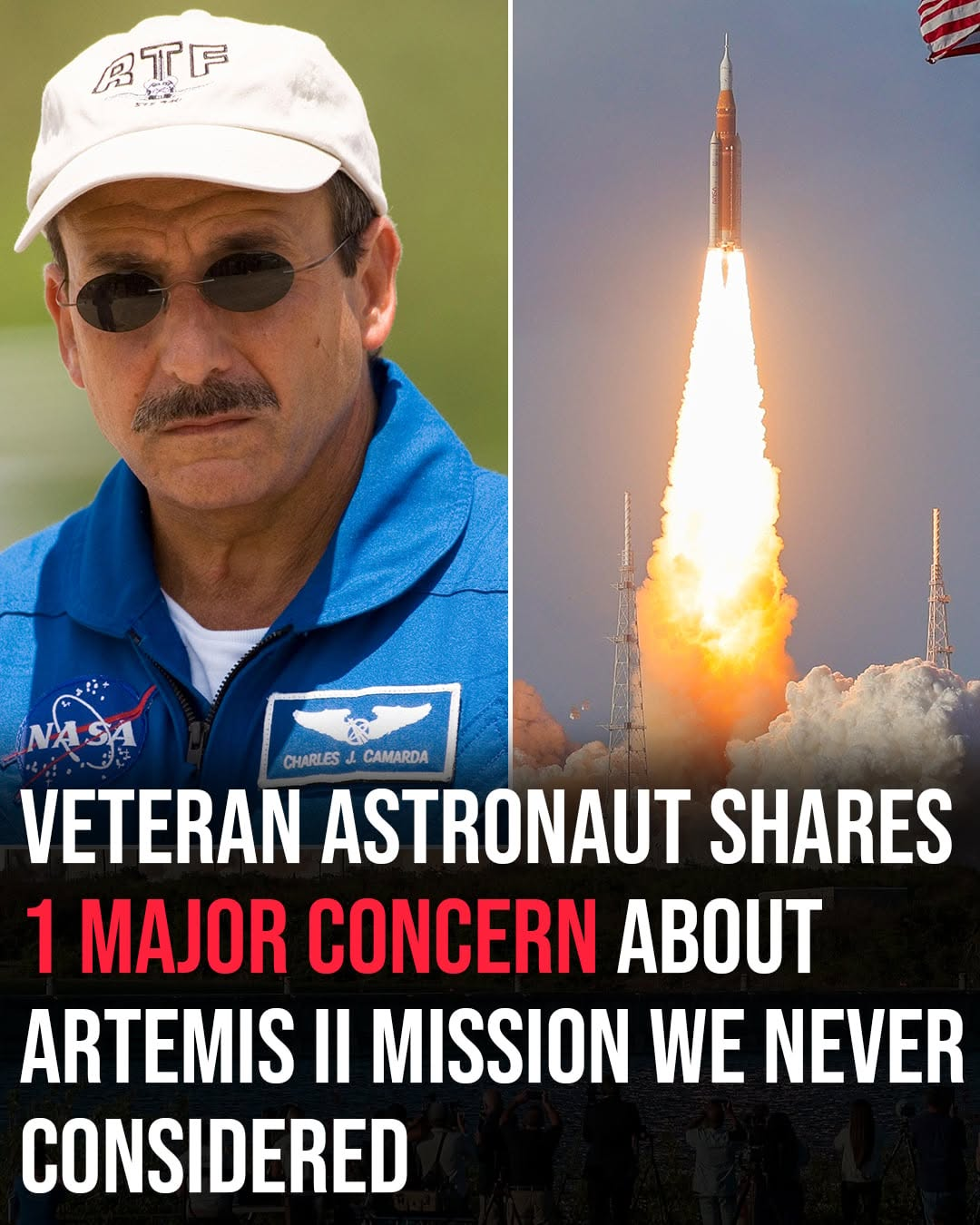
The call came during what should have been a routine briefing, but the veteran astronaut’s voice carried a gravity that silenced the room. With Artemis II poised to send humans back toward the Moon for the first time in decades, one of NASA’s most experienced voices stepped forward with a stark warning: critical safety flaws could turn an ambitious return to lunar exploration into a tragedy. His message wasn’t born from fear but from hard-won wisdom earned through missions where every decision meant the difference between survival and loss. As preparations accelerate, this dire alert forces us to confront uncomfortable questions about whether we are truly ready to send crews beyond low Earth orbit again, and what lessons from the past we risk forgetting in our rush to push boundaries.
Artemis II represents a pivotal step in NASA’s plan to establish a sustainable human presence on and around the Moon. The mission will test the Orion spacecraft with a crew of four astronauts on a journey that loops around the Moon without landing, gathering vital data for future landings. The excitement is palpable — this is the first crewed flight in the Artemis program and a cornerstone for eventual Mars exploration. Yet the veteran astronaut, who has flown multiple shuttle missions and contributed to International Space Station operations, highlighted systemic concerns ranging from heat shield performance to life support redundancies and communication delays that could leave crews vulnerable during critical phases.
His warnings echo challenges faced during the Apollo era, when engineers learned through painful trial and error that space is unforgiving. Modern simulations and testing have come a long way, but the astronaut pointed to gaps in full-system validation under realistic lunar return conditions. High-speed reentry generates extreme heat that must be managed perfectly, and any anomaly could cascade rapidly. He emphasized that while technology has advanced, human factors — decision-making under pressure, crew training for off-nominal scenarios, and transparent risk communication — remain just as crucial today as they were fifty years ago. Rushing timelines to meet political or public expectations, he suggested, might compromise the meticulous safety culture that made previous successes possible.
Public perception often paints spaceflight as routine, but the reality is far different. Each launch carries inherent risks that cannot be fully eliminated, only managed. The astronaut’s concern centered on whether current mitigation strategies adequately address compounded failures — a heat shield issue combined with delayed ground support, for instance. Independent experts have raised similar points about supply chain pressures affecting component quality and the need for more extensive unmanned test flights before committing human lives. These are not calls to abandon progress but urgent reminders that safety must remain the non-negotiable foundation of every mission.
Looking back, NASA’s history shows that listening to experienced voices has saved programs and lives. The Challenger and Columbia tragedies taught devastating lessons about organizational culture and the dangers of normalizing risk. Today’s Artemis teams operate under intense scrutiny and resource constraints, balancing innovation with caution. The veteran’s intervention highlights the value of institutional memory — those who have stared down the void understand nuances that data alone cannot capture. His willingness to speak publicly demonstrates courage and a deep commitment to the astronauts who will fly these missions.
The response from NASA and program partners has been measured. Officials acknowledge the concerns and point to ongoing rigorous testing, redundant systems, and international collaboration aimed at addressing potential weaknesses. Artemis II benefits from decades of accumulated knowledge, advanced materials, and real-time monitoring capabilities unavailable during Apollo. Yet the astronaut stressed that no simulation fully replicates the isolation, radiation exposure, and psychological pressures of deep space travel. True readiness requires not just technical fixes but a cultural commitment to transparency and continuous learning.
Beyond the immediate mission, these warnings ripple across the future of human spaceflight. Successful Artemis II would pave the way for lunar landings, habitats, and eventual Mars expeditions. Failure, or even a close call, could delay progress for years and erode public and political support. This tension between ambition and safety defines our era of exploration. Private companies like SpaceX add another layer, bringing fresh approaches but also new variables in how commercial and government efforts integrate. The veteran astronaut advocated for unified standards that prioritize crew safety above schedule pressures, regardless of who builds the hardware.
For those of us on the ground, these discussions invite reflection on our own relationship with risk and progress. Space exploration inspires because it represents humanity’s greatest aspirations — curiosity, resilience, and the drive to venture into the unknown. Yet it also demands humility and respect for the environment we enter. Supporting these missions means demanding accountability, celebrating transparency when issues arise, and recognizing the human beings who accept extraordinary risks on our behalf. Their safety should never become secondary to timelines or headlines.
Moving forward, the Artemis program stands at a crossroads. Heeding the veteran’s warning could strengthen the mission through additional testing, enhanced training, and refined protocols. Ignoring it risks repeating past mistakes with far greater consequences given today’s global attention. Space agencies, contractors, and oversight bodies must collaborate openly, fostering an environment where concerns are addressed proactively rather than reactively. The goal remains unchanged: safe, sustainable exploration that expands human knowledge and presence beyond Earth.
Ultimately, this moment reminds us why spaceflight continues to captivate and challenge us. The Moon is calling again, but the path requires wisdom as much as wonder. The veteran astronaut’s dire warning is not an end to ambition but a call to pursue it responsibly. As Artemis II prepares for flight, the world will watch with hope tempered by the knowledge that true greatness in exploration lies in learning from experience and protecting those who lead the way. Our shared future in space depends on getting this right — not just for one mission, but for all the journeys that will follow. The courage to speak up today may very well ensure the success and safety of tomorrow’s lunar pioneers.
Most Popular!
-
 Expert Suggests New Approaches to Communication During Baby Diaper Changes
-
From Hollywood Stardom to Silence: The Actress Who Walked Away from Fame to Start Over with Baking
-
Demi Moore’s Heartfelt Birthday Tribute to Bruce Willis on His 71st Birthday Shows the Power of Enduring Love
-
This Little-Known 80s Horror Story Left a Lasting and Disturbing Impact
-
This Morning I Went Outside and Noticed Something Unusual on My Porch That Immediately Caught My Attention
-
After 15 Years, a State Questioned Her License Plate – What Happened Next Shocked Her
-
The Hidden Threat: How to Protect Your Savings from Modern Online Scams
-
I Missed My Prom Plans While Facing a Serious Stage 3 Diagnosis – What Happened Next Changed My Life