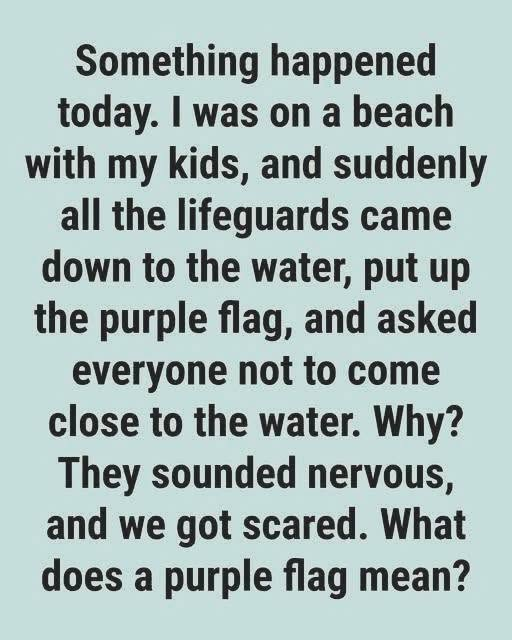
You’ve packed the cooler, slathered on sunscreen, and finally arrived at the beach ready for a perfect day in the sun. As you walk toward the water, you notice a purple flag waving in the breeze alongside the usual yellow or green ones. Many beachgoers walk right past it without a second thought, assuming it’s just another colorful decoration. But that purple flag carries an important warning that could keep you and your family safe from painful — or even dangerous — encounters with marine life. Understanding what it means and how to respond can make the difference between a relaxing day at the shore and a trip to urgent care.
Beach flag systems exist to communicate ocean conditions quickly and clearly to visitors. Lifeguards and coastal authorities use a standardized color code to signal everything from calm swimming conditions to high hazard levels. While most people recognize red flags for strong currents or high surf and yellow for moderate caution, the purple flag often gets overlooked. Flying a purple flag specifically alerts beachgoers to the presence of dangerous marine life in the area. This can include jellyfish, stingrays, sea urchins, or even sharks depending on the location and time of year. It doesn’t necessarily mean the water is closed, but it does mean extra vigilance is required.
The purple flag system was developed to help protect the public without causing unnecessary panic. Marine life like jellyfish blooms or stingray activity can appear suddenly due to tides, water temperature, or seasonal patterns. Rather than closing the beach entirely, authorities raise the purple flag to inform people of the specific risk so they can make informed decisions. In many popular tourist destinations, purple flags are used more frequently during certain months when jellyfish or other creatures are more active. Ignoring them can lead to painful stings, puncture wounds, or worse, especially for children and pets who are naturally curious about the water.
When you see a purple flag, the best approach is to treat the water with respect and take simple precautions. Stay closer to shore where lifeguards can see you easily. Avoid swimming alone. Wear water shoes if stingrays are common in the area, as they often hide in shallow sand. Keep an eye out for jellyfish in the water or washed up on the beach. If you or someone in your group gets stung, rinse the area with saltwater (not fresh water), remove any tentacles carefully, and seek medical attention if the reaction is severe. Most stings are painful but not life-threatening, but knowing how to respond quickly reduces discomfort and complications.
Parents should be especially cautious when purple flags are flying. Children are more likely to step on hidden stingrays or brush against jellyfish because they play closer to shore and are less aware of their surroundings. Explain the flag’s meaning in simple terms and make it a game to spot marine life together. This turns safety into an educational adventure rather than a restriction. Many families who take purple flags seriously report fewer incidents and more peace of mind during their beach days.
Coastal experts emphasize that purple flags are part of a broader safety communication system that includes other colors and sometimes double flags. A green flag means low hazard and normal conditions, yellow indicates moderate surf or currents, and red signals high hazard with strong currents or rough waves. When purple appears alongside red or yellow, it means multiple risks are present, so extra care is needed. Always check with lifeguards if you’re unsure about conditions. They have the most current information about local marine activity and can advise on the safest areas to swim.
Beyond immediate safety, paying attention to purple flags shows respect for the ocean ecosystem. Marine life plays a vital role in healthy beaches and oceans. When we understand and respond to these natural warnings, we reduce harmful interactions and help preserve delicate environments. Many beaches now combine flag systems with educational signs and apps that provide real-time updates about water conditions and potential hazards. Using these tools empowers beachgoers to enjoy the ocean responsibly while staying informed.
Seasonal and regional differences matter too. In some areas, purple flags appear more often during jellyfish season in late summer, while other locations may raise them after storms that stir up stingrays. Travelers should research local beach safety practices before their trip. What’s common in Florida may differ from California or Hawaii. Being prepared with basic knowledge helps you make smarter choices and fully enjoy your time by the water without unnecessary worry.
For anyone who loves the beach, understanding the purple flag system adds another layer of appreciation for the ocean’s power and beauty. It reminds us that we are visitors in a complex marine environment full of creatures that deserve space and respect. Taking a few minutes to learn the flags before heading into the water can prevent painful experiences and create safer, more enjoyable memories with family and friends. The ocean offers incredible joy, but it also demands awareness and caution.
Next time you see that purple flag waving, don’t ignore it or assume it’s nothing important. Take it as a helpful reminder to stay alert, follow basic safety practices, and respect the marine life sharing the water with you. A little knowledge and caution go a long way toward ensuring your beach day stays fun and safe. Your family, your skin, and your peace of mind will thank you for it.
The purple flag at the beach ultimately represents smart coastal management and a commitment to public safety. By understanding what it means and responding appropriately, we become better stewards of our shorelines while protecting ourselves and loved ones. The ocean is a place of wonder and relaxation — with the right awareness, it can stay that way for years of happy beach memories ahead. So the next time you head to the shore, keep an eye on those flags, respect the warnings, and enjoy the water responsibly. A safe beach day is truly the best beach day.
Most Popular!
-
 New Research Examines Possible Heart Signals Linked to Rare Cases of Myocarditis After Vaccination
-
5 Common Household Expenses That May Be Increasing Your Monthly Bills Without You Realizing It
-
Happy 103rd Birthday to an Extraordinary Woman Who Has Touched So Many Lives
-
Questions Arise After 8647 Numbers Appear in National Mall Grass
-
The Millionaire’s Bride Surprised Everyone With Her Unexpected Decision
-
What Catches Your Eye First May Reveal Something About You
-
The Sad Young Woman Made a Life-Changing Marriage Decision — And It Saved Her Life
-
She Even Sounded Just Like Melania