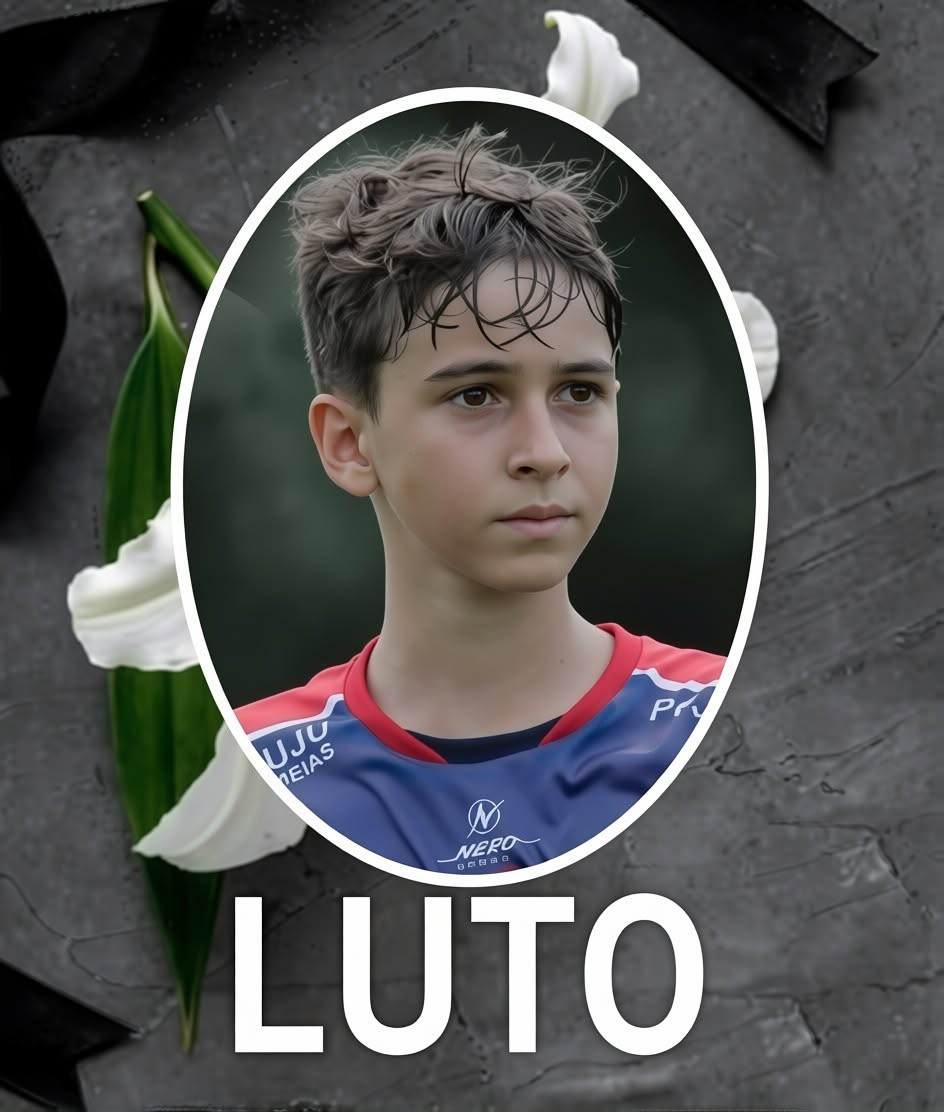
The stadium lights were still shining brightly as the final whistle blew on what should have been just another victorious Friday night game. Eighteen-year-old Jamal Carter had just scored the winning goal for his high school soccer team, sending the home crowd into a frenzy of cheers and chants. Teammates rushed to embrace him as the scoreboard glowed with their hard-fought victory. Then, in the middle of the celebration, Jamal collapsed on the field. What began as a moment of triumph turned into a community’s worst nightmare within seconds. Paramedics rushed onto the pitch, but despite their best efforts, the young star who had been on the verge of college scholarships and professional dreams was gone. His sudden death has left an entire town grieving, questioning everything from sports safety protocols to the hidden dangers young athletes face, and reminding all of us how fragile life can be even in its brightest moments.
Jamal was the kind of kid every coach dreams of having on their team. Fast, skilled, and fiercely dedicated, he had led his high school to back-to-back championships while maintaining top grades and volunteering at local youth programs. His smile lit up any room he entered, and his work ethic inspired younger players who looked up to him as a role model. College scouts had been watching him for months, and the future seemed limitless. His mother, a single parent who had sacrificed everything to support his passion, beamed with pride at every game. No one saw the warning signs that would turn their joy into unimaginable sorrow on that fateful night.
The official cause of death was later determined to be a previously undiagnosed heart condition — hypertrophic cardiomyopathy — that can strike suddenly in young athletes during intense physical activity. Jamal had passed routine physicals required for sports participation, but these screenings often miss subtle cardiac issues without more advanced testing. His death wasn’t the result of negligence by coaches or trainers, but rather the silent progression of a condition that gave no obvious warning until it was too late. The community that had cheered him on now gathered in shock and sorrow, searching for answers and ways to prevent similar tragedies from claiming other young lives.
News of Jamal’s passing spread rapidly through the town. Candlelight vigils filled the school football field where he had trained for years. Teammates wore black armbands in subsequent games, playing with heavy hearts while honoring their fallen captain. Teachers shared stories of his kindness and determination in classrooms, helping students process the sudden loss of someone so full of life. Local businesses closed early on the day of his funeral so employees could attend. The entire community wrapped itself around Jamal’s family, offering meals, financial support, and shoulders to cry on. Yet beneath the outpouring of love was a growing sense of unease — how many other young athletes were carrying hidden risks without anyone knowing?
Jamal’s mother, through her grief, became a powerful voice for change. She shared her son’s story publicly, urging schools and sports organizations to implement more comprehensive cardiac screenings for student athletes. Her advocacy highlighted how standard physical exams often fail to detect potentially fatal conditions like the one that took Jamal. Medical experts joined the conversation, emphasizing the importance of EKGs and family history reviews in pre-participation evaluations. The conversation extended beyond one town, sparking discussions at state and national levels about better protection for young competitors who give their all on the field.
The impact on Jamal’s teammates has been profound. Many have struggled with survivor’s guilt and anxiety about returning to the sport they love. Counselors have worked closely with the team, creating safe spaces for them to process their emotions and remember their friend. Some players have chosen to honor Jamal by pursuing careers in sports medicine or coaching, determined to make the game safer for future generations. The young man who once inspired them with his skill now inspires them with the legacy he left behind — a call for vigilance, awareness, and prioritizing health over victory at all costs.
This tragedy carries important lessons for parents, coaches, athletes, and communities everywhere. First, never assume routine check-ups catch every risk — advocate for more thorough screenings, especially if there’s any family history of heart issues. Second, teach young athletes to speak up about any unusual symptoms like chest pain, dizziness, or extreme fatigue, even if they seem minor. Third, balance the love of sports with realistic safety measures rather than pushing through discomfort for the sake of performance. And finally, cherish every game, every practice, and every moment because none of us know when the final whistle will blow.
In the months since Jamal’s passing, his high school has established an annual memorial tournament that raises funds for cardiac screening equipment. The community has come together in ways that would have made Jamal proud, turning grief into action and remembrance into positive change. His mother finds comfort in knowing her son’s death wasn’t in vain — it has already helped save other young lives through increased awareness and better protocols. The empty spot on the team roster serves as a daily reminder of what was lost, but also of the resilience and love that continues to honor his memory.
For any family with children involved in sports, this story is a sobering call to stay vigilant. Talk openly with your kids about listening to their bodies. Work with coaches and schools to ensure proper safety measures are in place. And remember that athletic achievement should never come at the expense of health and well-being. Jamal’s life was cut short, but the lessons from his story continue to protect others who lace up their cleats each week.
The rising star whose final whistle came too soon left behind more than broken hearts. He left a community determined to do better, families more aware of hidden risks, and a legacy of love that transcends the playing field. The town that once cheered his goals now carries his memory in every game played and every safety measure implemented. While nothing can bring Jamal back, his spirit lives on in the changes inspired by his loss. The mother who lost her son continues to fight so no other parent has to experience the same pain. The teammates who lost their captain now play with heavier hearts but greater purpose. And the community that lost one of its brightest lights has found strength in coming together to honor him.
Life on and off the field can change in an instant. The heartbreaking final whistle in Jamal’s story reminds us all to appreciate every moment, advocate for safety, and never take the health of our young athletes for granted. His death was a tragedy, but the awareness it created offers hope that fewer families will have to face similar devastation in the future. The rising star may be gone, but the light he sparked continues to shine — guiding safer practices, deeper compassion, and a renewed commitment to protecting the dreams of every child who steps onto the field with hope in their heart. The community reels, but it also heals, determined to ensure that no other young life is cut short by a silent danger that could have been detected earlier. Jamal’s story isn’t just about loss. It’s about love, legacy, and the power of a community coming together when it matters most.
Most Popular!
-
 Valentine’s Dinner Experiment Sheds Light on Why a Seven-Year Relationship Ended
-
Murder Charge Dropped Against Father After Police Error in Case Involving Daughter’s Alleged Assailant
-
Sam Elliott Made a Memorable Appearance at the Actor Awards Alongside Wife Katharine Ross
-
After Returning Home From Work I Found Something Unexpected On My Bedroom Floor
-
Remembering the Beloved Star Who Left a Lasting Impression on Audiences
-
Common Slow Cooker Mistakes That May Affect Food Safety — Are You Serving Parasites for Dinner After All?
-
83-Year-Old Harrison Ford Makes a Surprising Revelation About His Personal Life
-
Why People Leave Coins on Military Headstones and the Meaning Behind the Tradition