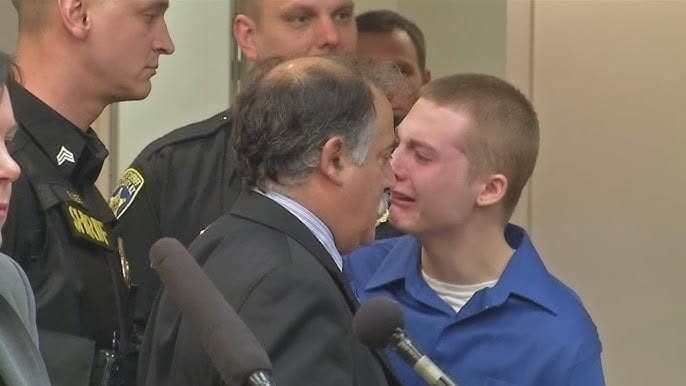
When the judge read the sentence aloud, the courtroom fell into a stunned silence that felt heavier than any verdict ever should. Forty-five-year-old Marcus Reynolds stood motionless as 452 years in prison were handed down for crimes that, while serious, many felt did not warrant what amounted to multiple lifetimes behind bars. For his family watching in disbelief, it wasn’t just a punishment — it was the theft of an entire future. A man who had once been a father, a son, and a community member was effectively erased from the world of the living while still breathing. This shocking case has ignited fierce debates across the country about justice, rehabilitation, the limits of punishment, and what it truly means to protect society without destroying the possibility of redemption. The story of one man’s 452-year sentence forces us all to confront uncomfortable truths about how we balance accountability with humanity in our legal system.
Marcus’s path to that courtroom began years earlier in a struggling neighborhood where opportunities were scarce and bad decisions carried heavy consequences. Like many young men in similar circumstances, he became involved with the wrong crowd during a difficult period in his life. What started as minor offenses escalated over time until a series of armed robberies landed him in serious trouble with the law. The crimes were violent and frightening for the victims, and no one disputes that accountability was necessary. But the sheer length of the sentence — stacking charges in a way that guaranteed he would die in prison many times over — raised immediate questions about proportionality and the purpose of such extreme punishment.
From the moment the gavel fell, Marcus’s family began a desperate fight that continues to this day. His mother, now in her seventies, visits him regularly and still speaks of her son with the same love she felt when he was a little boy playing in the backyard. His children, who were young when he was sentenced, grew up knowing their father only through letters, phone calls, and occasional visits behind glass. They describe a man who has used his time in prison to earn multiple degrees, mentor younger inmates, and express genuine remorse for the pain he caused. Yet the system that locked him away seems unwilling to recognize any possibility of change or redemption, treating him as if he remains the same desperate young man from decades ago.
The 452-year sentence is not unique in its extremity. Across the United States, “virtual life sentences” have become more common as mandatory minimums and stacked charges remove judicial discretion in many cases. Supporters argue these punishments are necessary to protect communities from repeat offenders and to deliver justice for victims. Critics point out that such sentences often ignore the realities of human development, rehabilitation potential, and the enormous financial and moral costs of warehousing people for lifetimes they can never serve. In Marcus’s case, the original crimes occurred during a relatively short period of his life, yet the punishment ensures he will never again walk as a free man, regardless of how much he has transformed behind bars.
Prison officials and fellow inmates describe Marcus as a model prisoner who has dedicated himself to positive change. He teaches literacy classes, participates in restorative justice programs, and has become a voice for other men seeking rehabilitation. His story raises profound questions about whether our justice system is truly designed for transformation or simply for permanent removal. When someone serves decades and demonstrates consistent growth, does society benefit more from continued incarceration or from carefully supervised release? These are not easy questions, but cases like Marcus’s force us to confront them honestly.
The financial burden of such extreme sentences falls on taxpayers who fund housing, medical care, and security for individuals who will never reenter society. Studies consistently show that older prisoners cost significantly more to incarcerate due to health issues, yet offer the lowest recidivism rates when released. From both a humanitarian and practical standpoint, sentences that extend far beyond any reasonable lifespan deserve closer scrutiny. The victims of Marcus’s crimes deserve justice and healing, but so do the families left behind when a loved one disappears into the system forever.
Marcus’s children have grown into remarkable adults despite the absence of their father. They speak publicly about the need for sentencing reform that considers the whole person rather than just the worst moments of their lives. Their advocacy honors both their father’s victims and the man who has worked hard to become better while paying for his mistakes. Their courage in sharing such a personal story highlights how extreme sentences affect multiple generations, creating ripple effects of trauma and lost potential that extend far beyond prison walls.
This case ultimately challenges us to examine what justice should look like in a civilized society. Punishment must be meaningful and proportionate, but it should also leave room for redemption when genuine change occurs. The 452-year sentence given to Marcus represents one extreme of our justice system — one that prioritizes retribution over rehabilitation and finality over hope. As more stories like his emerge, lawmakers, judges, and citizens are being forced to reconsider whether such punishments truly serve the greater good or simply satisfy our desire for vengeance.
For families impacted by crime, whether as victims or as relatives of the incarcerated, the path forward is never simple. Healing requires acknowledging pain while remaining open to the possibility of change. Marcus’s story reminds us that behind every long sentence is a human being capable of both terrible harm and meaningful transformation. His children continue fighting for sentencing reform not to erase his crimes, but to ensure the punishment fits both the person and the offense in a way that honors justice without destroying hope entirely.
The man serving 452 years continues his work inside prison walls, teaching and mentoring while his family fights for him on the outside. Whether or not his sentence is ever reduced, his case has already sparked important conversations about the humanity we must preserve even in our pursuit of accountability. The mother who visits her son behind glass, the children who grew up without their father, and the victims who carry their own pain all deserve a justice system that seeks truth rather than simple finality.
As our society grapples with criminal justice reform, stories like Marcus’s serve as powerful reminders of what is at stake. A 452-year sentence is more than punishment — it is the legal erasure of a human life while it still breathes. Whether we believe such sentences are necessary or excessive, we must confront the human cost they carry. The father who made terrible choices decades ago is not the same man serving time today. Recognizing that difference doesn’t diminish the harm caused — it honors the complexity of human growth and the possibility that even those who stumble badly can contribute something positive if given the chance.
The family that lost its father to the system continues to love him and advocate for him with remarkable strength. Their journey reminds us that behind every shocking sentence number is a story of real people trying to make sense of pain, accountability, and hope. As we debate justice in courtrooms and living rooms across the country, may we never forget the human faces behind the numbers. A 452-year sentence stole more than one man’s freedom — it challenged all of us to examine what kind of justice truly serves our communities and heals our hearts. The conversation continues, and with it, the hope that wisdom and compassion can guide us toward a better balance between protection and redemption.
Most Popular!
-
 Valentine’s Dinner Experiment Sheds Light on Why a Seven-Year Relationship Ended
-
Murder Charge Dropped Against Father After Police Error in Case Involving Daughter’s Alleged Assailant
-
Sam Elliott Made a Memorable Appearance at the Actor Awards Alongside Wife Katharine Ross
-
After Returning Home From Work I Found Something Unexpected On My Bedroom Floor
-
Remembering the Beloved Star Who Left a Lasting Impression on Audiences
-
Common Slow Cooker Mistakes That May Affect Food Safety — Are You Serving Parasites for Dinner After All?
-
83-Year-Old Harrison Ford Makes a Surprising Revelation About His Personal Life
-
Why People Leave Coins on Military Headstones and the Meaning Behind the Tradition