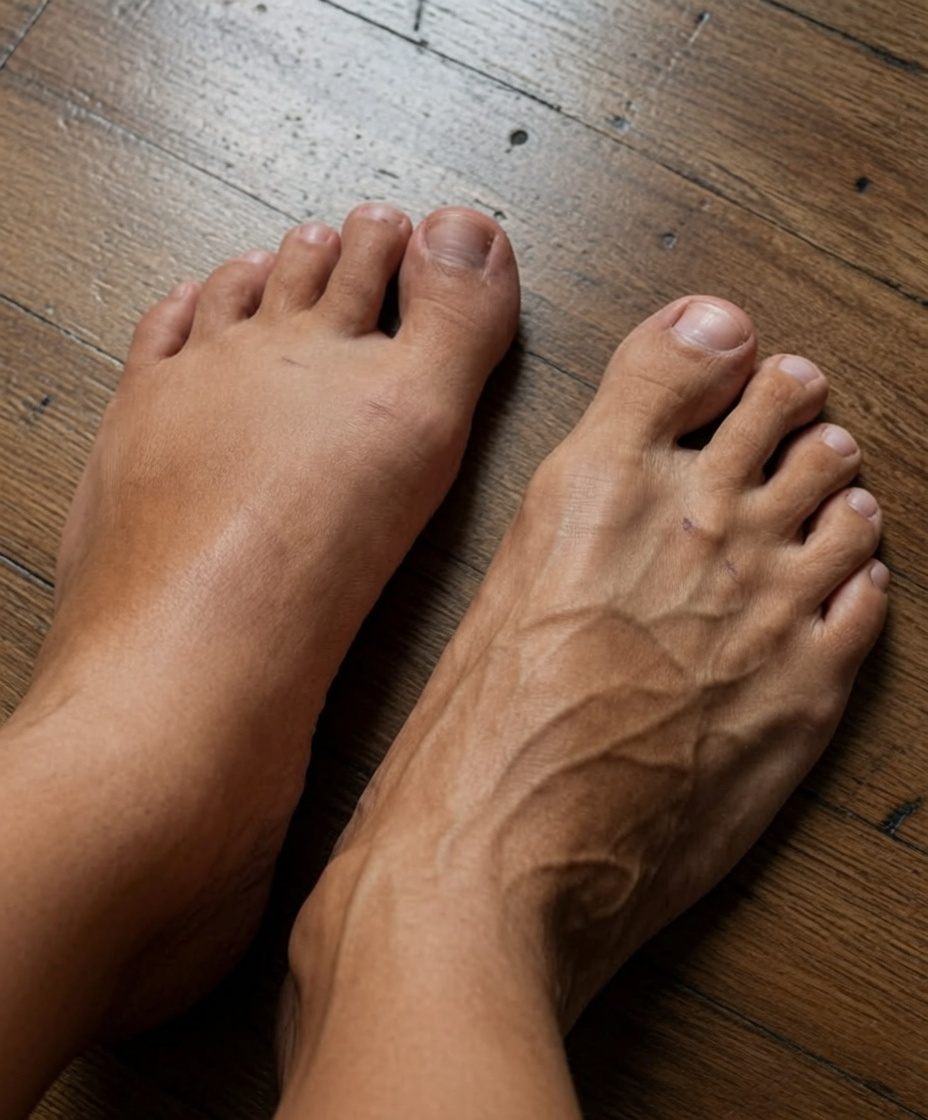
Swollen feet, ankles, and legs are something many of us brush off as a normal part of aging, a long day on our feet, or even just “too much salt last night.” But for millions of people, especially those over 50, this seemingly minor symptom can be one of the body’s earliest and loudest warning signals that something deeper is wrong. Peripheral edema — the medical term for swelling caused by fluid buildup in the tissues — isn’t always harmless. When it becomes persistent, one-sided, or accompanied by other symptoms, it can point to serious conditions involving the heart, kidneys, liver, veins, or lymphatic system. Ignoring it doesn’t make it go away. Understanding why your feet are swelling and knowing when to take action can literally save your life or prevent long-term complications that affect mobility, comfort, and overall health.
The human body is remarkably good at maintaining fluid balance, but as we age, several factors can disrupt that balance. Gravity plays a major role — fluid naturally pools in the lower extremities when we sit or stand for long periods. But when swelling becomes chronic, it’s rarely just gravity. It’s often the result of the body struggling to circulate fluid properly due to weakened blood vessels, impaired organ function, or lifestyle factors that compound over time. For older adults, the risk is higher because natural aging processes like reduced muscle tone, slower circulation, and cumulative wear on the cardiovascular system make fluid retention more likely. What starts as occasional puffiness after a long flight or a salty meal can gradually become a daily reality that limits mobility and signals bigger health concerns.
One of the most common underlying causes is venous insufficiency. As we age, the valves in our leg veins that help push blood back toward the heart can weaken or become damaged. When these valves fail, blood pools in the lower legs, causing fluid to leak into surrounding tissues. This is especially common in people who have spent decades on their feet for work, those with a history of blood clots, or individuals who are overweight. The swelling is often worse at the end of the day and improves somewhat after elevating the legs overnight. Left untreated, venous insufficiency can lead to skin changes, ulcers, and chronic pain. The good news is that early intervention with compression stockings, regular movement, and medical evaluation can slow or even reverse the progression.
Heart failure is another serious condition frequently signaled by swollen feet. When the heart isn’t pumping efficiently, fluid backs up in the body, often settling first in the lower extremities due to gravity. This type of swelling is often accompanied by shortness of breath, fatigue, and a persistent cough. Many older adults dismiss these symptoms as “normal aging” or “being out of shape,” but they can indicate the heart is struggling to keep up with the body’s demands. Congestive heart failure doesn’t always present with dramatic chest pain — in women and older adults, it can be far more subtle. Regular monitoring of weight (sudden gains of 2-3 pounds in a few days can indicate fluid retention) and paying attention to swelling patterns can help catch problems early when treatment is most effective.
Kidney disease is yet another hidden culprit. The kidneys are responsible for filtering waste and balancing fluid levels in the body. When they aren’t functioning properly, excess fluid builds up, often showing up first in the feet, ankles, and face. Diabetes and high blood pressure — two conditions that become more common with age — are leading causes of kidney damage. Swelling due to kidney issues is often accompanied by changes in urination patterns, fatigue, and foamy urine. Because the kidneys have a remarkable ability to compensate until significant damage has occurred, many people don’t realize there’s a problem until routine blood work reveals elevated creatinine levels or reduced glomerular filtration rate. Annual check-ups that include kidney function tests are one of the smartest preventive steps older adults can take.
Liver problems, particularly cirrhosis, can also cause significant swelling in the lower body. The liver produces proteins like albumin that help keep fluid inside blood vessels. When liver function declines, albumin levels drop, allowing fluid to leak into tissues. This type of swelling is often more pronounced in the abdomen (ascites) but frequently starts or accompanies swelling in the legs and feet. Chronic alcohol use, hepatitis, and fatty liver disease are common contributors. The swelling associated with liver issues tends to be pitting edema — when you press on the swollen area, the indentation remains for several seconds. This is a classic sign that should prompt immediate medical attention.
Lymphatic system issues, known as lymphedema, represent another important cause. This occurs when the lymph vessels that drain excess fluid from tissues are damaged or blocked. Cancer treatments (especially those involving lymph node removal), obesity, and certain infections can trigger lymphedema. Unlike other types of swelling, lymphedema often affects only one limb and feels firm rather than soft. It requires specialized management including compression therapy, manual lymphatic drainage, and careful skin care to prevent infections. Early recognition is critical because advanced lymphedema can become permanent and significantly impact mobility and quality of life.
Beyond these serious medical conditions, several lifestyle factors contribute to swollen feet in older adults. Prolonged sitting or standing, especially during travel or desk work, reduces muscle contractions that help pump fluid upward. Dehydration paradoxically makes the body retain fluid as a protective mechanism. High salt intake, common in processed foods, encourages water retention. Certain medications — including blood pressure drugs, steroids, and some antidepressants — list swelling as a side effect. Hormonal changes, particularly in women during and after menopause, can also play a role. Understanding these everyday contributors allows for simple but effective prevention strategies.
The first and most accessible remedy is elevation. Raising your feet above heart level for 15-20 minutes several times a day helps gravity assist in draining excess fluid. This simple practice can provide noticeable relief within days. Compression socks or stockings are another powerful tool. They apply graduated pressure that supports vein function and prevents fluid accumulation. Many seniors find knee-high compression socks comfortable enough for daily wear and report significant reduction in swelling and discomfort. Staying hydrated throughout the day (aiming for clear or light yellow urine) helps the body maintain proper fluid balance. Reducing salt intake by cooking at home, reading labels, and choosing fresh foods over processed ones can make a dramatic difference within weeks.
Gentle movement is essential. Walking, swimming, or even seated leg exercises activate the calf muscle pump that helps return fluid to the heart. Regular physical activity also improves overall circulation and reduces inflammation. For those with mobility limitations, simple ankle circles, toe points, and leg lifts while seated can still provide benefits. Maintaining a healthy weight reduces pressure on veins and decreases the workload on the heart and kidneys. Even modest weight loss can lead to measurable improvements in swelling and energy levels.
When home remedies aren’t enough, it’s time to seek professional medical evaluation. Persistent swelling, especially if it’s one-sided, painful, or accompanied by shortness of breath, chest pain, or sudden weight gain, should never be ignored. A thorough check-up including blood work, ultrasound of the legs, and possibly an echocardiogram can identify underlying causes early when treatment is most effective. Many seniors are surprised to learn that what they thought was “normal aging” was actually a treatable medical condition.
The emotional impact of chronic swollen feet should not be underestimated. It can limit mobility, reduce independence, and affect quality of life. Simple pleasures like walking in the park, playing with grandchildren, or standing to cook a meal become challenging. This loss of function can lead to isolation, depression, and a sense of helplessness. Addressing the root cause — whether through medical treatment, lifestyle changes, or both — often restores not just physical comfort but emotional well-being and confidence.
Prevention is always better than treatment. Maintaining good cardiovascular health through regular exercise, a balanced diet low in processed foods, and stress management goes a long way. Staying at a healthy weight, avoiding smoking, and managing conditions like diabetes and high blood pressure reduce risk significantly. For those already experiencing swelling, consistency with elevation, compression, and movement can prevent worsening and improve daily comfort.
Swollen feet are rarely “just swollen feet.” They are often the body’s way of signaling that something needs attention. By listening to these signals early and responding with appropriate care, we can protect our mobility, independence, and overall health well into our later years. The small changes we make today — elevating our legs, choosing better foods, moving more, and seeking medical advice when needed — can add years of comfortable, active living to our future.
If you or someone you love is dealing with persistent swollen feet, don’t wait. Start with simple remedies today, but schedule a medical evaluation to rule out serious underlying conditions. Your feet carry you through every step of life. Taking care of them is one of the most important ways to honor the journey and ensure you can keep moving forward with comfort and confidence for as long as possible. The body has an incredible ability to heal and adapt when given the right support. Swollen feet don’t have to be your new normal. With awareness, action, and the right care, clearer, more comfortable days are within reach.
Most Popular!
-
 The 5 That Changed Everything: How a Pair of Baby Shoes Brought Two Mothers Back to Life
-
Why Charlie Kirk and His Wife Are Being Targeted by an Online “Transvestigation” Hoax — And What This Dangerous Trend Really Means
-
The Flight Attendant Scolded a Struggling Mother — Until the Pilot’s Voice Came Over the Intercom and Changed Everything
-
I Adopted a Little Girl — Thirteen Years Later, One Phone Screen Brought Everything to a Stop
-
Everyone Misjudged This Tattooed Biker — Until the Truth Came Out and Changed How We See People
-
8 Subtle Signs Someone Secretly Resents You — And How to Protect Your Peace Without Losing Yourself
-
I Found Strange Black Grains Under My Mattress — What I Thought Were Insect Eggs Turned Out to Be Something Beautiful
-
What You Should Never Cook in a Cast Iron Skillet — And Why It Could Ruin Your Pan Forever