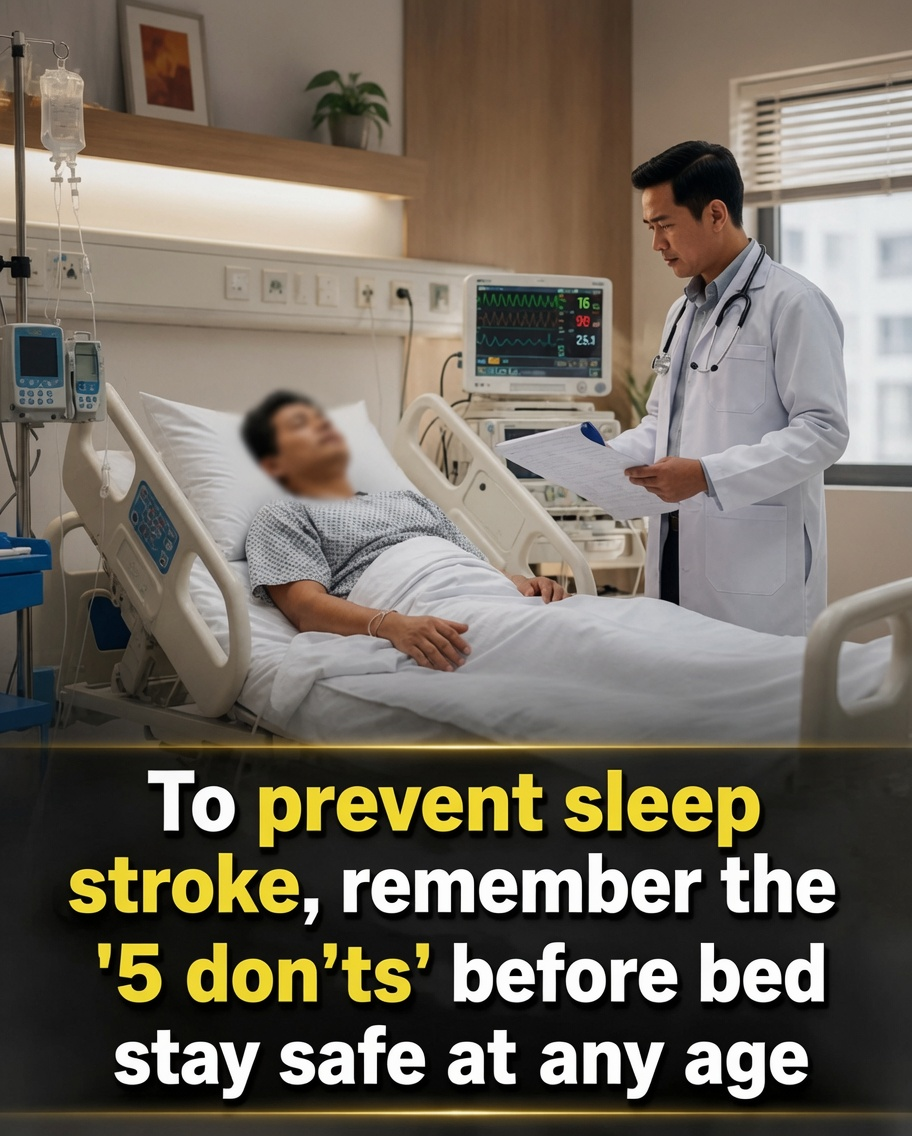
Strokes don’t always happen during the day with dramatic symptoms. For many people, especially those over fifty, the greatest risk can occur silently during sleep. A “sleep stroke” — when a blockage or bleed happens while you’re resting — can go unnoticed until morning, when the damage may already be severe. The good news is that many of these nighttime events are preventable through simple changes in evening habits. By understanding what to avoid and what to embrace before bed, you can dramatically lower your risk and protect both your heart and brain for years to come.
Sleep is when the body repairs itself, but it’s also when certain vulnerabilities become more pronounced. Blood pressure naturally dips at night, which is usually protective, but in some cases this drop can trigger problems if arteries are already narrowed or prone to clots. Dehydration, poor breathing patterns, and certain foods or substances can worsen these risks. The choices you make in the hours before sleep directly influence how safely your body moves through its restorative cycles. Making the right adjustments doesn’t require drastic lifestyle overhauls — just consistent, mindful habits that become second nature over time.
The Five Critical Don’ts Before Bed
First, avoid heavy or spicy meals close to bedtime. Eating large portions or foods high in fat and spice within three hours of sleep can cause acid reflux and disrupt circulation. The body diverts energy toward digestion instead of repair, and the inflammation from reflux can raise blood pressure temporarily. This combination stresses the cardiovascular system at the exact time it should be resting. Opt for lighter dinners finished at least three hours before bed to give your system time to settle.
Second, limit or eliminate alcohol in the evening. While a glass of wine might feel relaxing, alcohol is a major disruptor of sleep architecture. It suppresses deep restorative sleep and REM stages, leading to fragmented rest. More dangerously, it causes dehydration and blood vessel dilation followed by constriction, which can increase the chance of clot formation or vessel stress overnight. Many stroke incidents linked to sleep occur in people who drank alcohol earlier in the evening. If you enjoy a drink, keep it moderate and finish it several hours before sleep.
Third, avoid screens and bright lights at least one hour before bed. Blue light from phones, tablets, and TVs suppresses melatonin and keeps your nervous system in an alert state. This prevents the natural drop in blood pressure and heart rate that protects your brain during sleep. The mental stimulation from scrolling or watching intense content also raises cortisol, creating a low-grade stress response that can affect vascular health. Replace screen time with reading, gentle stretching, or quiet conversation to allow your body to wind down properly.
Fourth, don’t go to bed angry or after intense emotional discussions. Emotional stress triggers the release of stress hormones that keep blood pressure elevated and heart rate irregular. When you lie down in this state, your cardiovascular system doesn’t get the full recovery it needs. Over time, this pattern can damage arteries and increase stroke risk. If conflicts arise in the evening, agree to pause and revisit them the next day after a good night’s rest. Protecting your sleep is protecting your brain.
Fifth, avoid sleeping on your back if you have untreated sleep apnea or snoring issues. This position can worsen airway obstruction, leading to drops in oxygen levels that strain the heart and brain. Repeated oxygen desaturation during sleep is a known risk factor for both heart disease and stroke. If you snore loudly or feel exhausted despite sleeping, talk to your doctor about a sleep study. Simple positional therapy or a CPAP machine can make a life-saving difference.
The Six Powerful Dos to Protect Your Heart and Brain
First, establish a consistent sleep schedule. Going to bed and waking up at roughly the same times every day helps regulate your circadian rhythm and blood pressure. The body thrives on predictability, especially as we age. A stable schedule allows deeper, more restorative sleep stages that support vascular health and reduce inflammation. Even on weekends, try to stay within an hour of your usual times to maintain the benefit.
Second, practice gentle wind-down rituals. Ten to fifteen minutes of light stretching, deep breathing, or progressive muscle relaxation can lower cortisol and prepare your nervous system for rest. These practices improve sleep quality and help maintain stable blood pressure throughout the night. Many people find that a warm shower or herbal tea (chamomile or valerian) signals the body that it’s safe to relax.
Third, keep your bedroom cool, dark, and quiet. Ideal sleeping temperature is around 60-67°F (15-19°C). Darkness triggers melatonin production, while quiet reduces subconscious stress. Investing in blackout curtains, earplugs, or a white noise machine can significantly improve sleep depth and protect cardiovascular recovery. A cooler room also encourages the natural drop in core body temperature that supports deeper sleep.
Fourth, stay hydrated during the day but taper off in the evening. Proper daytime hydration keeps blood flowing smoothly and prevents overnight dehydration that can thicken blood and raise clot risk. However, drinking large amounts close to bed can cause nighttime bathroom trips that fragment sleep. Aim to finish most fluids by early evening while still meeting your daily needs.
Fifth, incorporate light physical activity earlier in the day. A daily walk, gentle yoga, or swimming helps regulate blood pressure, improve circulation, and promote better sleep. Exercise also reduces inflammation and supports heart health. The key is timing — vigorous activity too close to bedtime can be stimulating, so finish workouts at least three hours before sleep.
Sixth, monitor and manage blood pressure and other risk factors. Regular home monitoring gives you valuable data about how your body responds to daily habits. Work with your doctor to keep blood pressure, cholesterol, and blood sugar in healthy ranges. Small, consistent improvements in these areas can dramatically lower stroke risk during sleep.
Creating these habits doesn’t happen overnight, but the cumulative effect is powerful. Many people notice better energy, clearer thinking, and improved mood within weeks of consistent changes. More importantly, they reduce their risk of silent nighttime events that can have devastating consequences.
Sleep should be restorative, not risky. By avoiding the common evening mistakes that stress your cardiovascular system and embracing habits that support it, you give your heart and brain the best possible chance to recover each night. Small changes made consistently can add years of healthier, more vibrant living.
If you’ve been experiencing any unusual fatigue, morning headaches, or other subtle symptoms, don’t dismiss them. Talk to your doctor and consider a sleep study if snoring or breathing pauses are present. Protecting your health during sleep is one of the most important things you can do for yourself and your loved ones.
The night is when your body does much of its repair work. Honor that process by creating an evening routine that supports rather than hinders it. Your future self — and everyone who loves you — will be grateful for the care you give your heart and brain while you rest. Start tonight with one small change. Over time, these choices can become the foundation of a longer, healthier life.
Most Popular!
-
 The 5 That Changed Everything: How a Pair of Baby Shoes Brought Two Mothers Back to Life
-
Why Charlie Kirk and His Wife Are Being Targeted by an Online “Transvestigation” Hoax — And What This Dangerous Trend Really Means
-
The Flight Attendant Scolded a Struggling Mother — Until the Pilot’s Voice Came Over the Intercom and Changed Everything
-
I Adopted a Little Girl — Thirteen Years Later, One Phone Screen Brought Everything to a Stop
-
Swollen Feet: The Silent Warning Sign Your Body Is Trying to Send You — And What to Do About It Before It Gets Worse
-
Everyone Misjudged This Tattooed Biker — Until the Truth Came Out and Changed How We See People
-
8 Subtle Signs Someone Secretly Resents You — And How to Protect Your Peace Without Losing Yourself
-
I Found Strange Black Grains Under My Mattress — What I Thought Were Insect Eggs Turned Out to Be Something Beautiful