I’ll never forget the day the social worker stood in my living room and told me I was unfit to care for the only child who had ever called me “Dad.” After three years of fostering eight-year-old Jamal, raising him through nightmares, doctor visits, and the slow process of learning to trust again, Child Services had received an anonymous complaint. They claimed my strict rules, my military background, and the way I disciplined him made me a danger. One wrong move and they would take him away. I stood there in shock, realizing the system that was supposed to protect children might destroy the family we had built.
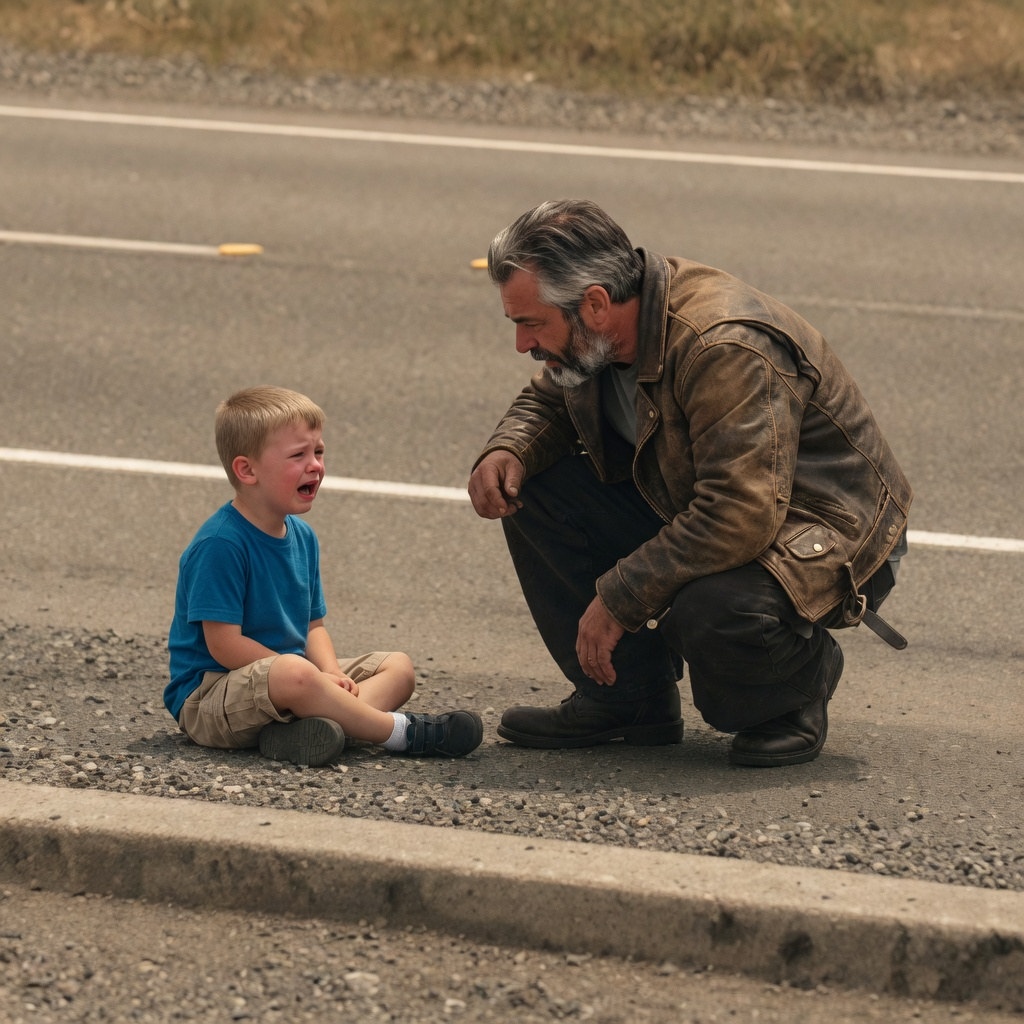
Jamal had come to me broken. His biological parents had abandoned him, leaving him with trauma that showed up in explosive tantrums and silent withdrawals. I set clear boundaries, consistent routines, and high expectations because I believed structure would give him the safety he had never known. But someone saw my firm voice as aggression. Someone heard his crying during time-outs as abuse. The investigation began, and I was forced to defend every decision I had made out of love.
The worst part was watching Jamal’s fear return. He started sleeping with the lights on again. He stopped calling me Dad in front of the social worker. I could see him pulling away, terrified of losing another home. I spent nights writing detailed logs of our days, recording every conversation, and begging the caseworker to understand that discipline and love could exist together. But the system moved slowly, and doubt crept in. Maybe I was too strict. Maybe I was failing him.
Then came the day of the final home visit — the one that would decide if Jamal stayed or was placed somewhere else. The social worker arrived with a notebook and a serious expression. She asked Jamal to speak privately with her in the kitchen. I waited in the living room, heart pounding, convinced this was the end. When they returned, Jamal’s eyes were red from crying, but he walked straight to me and climbed into my lap like he had when he first arrived.
What he said next left the social worker speechless.
Jamal looked her in the eyes and said, “He’s not mean. He’s the only one who stayed. When I break things, he doesn’t hit me. He makes me fix them. When I have nightmares, he sits with me until I fall asleep again. He says I’m not bad — I’m just learning. If you take me away, I’ll run back here. This is my home. He’s my dad.”
The social worker closed her notebook. She told me the case was closed. No further action would be taken. Jamal’s honest, heartfelt words had done what all my documentation couldn’t — they proved that love, even when firm, was never dangerous.
That moment changed everything. Jamal and I grew even closer. He started calling me Dad openly again, without hesitation. We worked with a family counselor to strengthen our bond and address the trauma he still carried. I learned to balance structure with more open affection, and he learned to trust that I wasn’t going anywhere.
Years later, Jamal is a confident teenager with dreams of becoming a social worker himself. He wants to help kids who feel unwanted the way he once did. Every time I look at him, I’m reminded that family isn’t always about blood. Sometimes it’s about the person who refuses to leave, even when the system tries to pull you apart.
If you’re a parent or guardian fighting to keep your child, especially when the system doubts you, hold on. Children see the truth more clearly than most adults. Jamal’s words didn’t just save our family — they reminded me that real love shows up every single day, even when it’s hard, even when no one else understands.
The social worker who once threatened to take him away later told me she had never seen a child defend an adult with such certainty. That moment taught us all something powerful: sometimes the ones society labels as “at risk” are exactly where they need to be — wrapped in the imperfect but steady love of someone who chooses them every day.
I almost lost my son because someone thought my love was dangerous. Instead, his courage proved that the real danger was tearing apart a family that had finally learned how to heal together. We’re still here. Still growing. Still choosing each other. And that’s the only kind of family that matters.
Most Popular!
-
 How Many Holes Are in a T-Shirt? What a Simple Puzzle Reveals About How We See
-
The Quiet Stories Inside Secondhand Objects: When a Thrift-Store Find Carries Someone Else’s History
-
Bra Care Basics: Hygiene, Longevity, and Why Rotation Matters More Than You Think
-
Green Onions and Food Safety: What the Risks Actually Are and How to Handle Them Sensibly
-
When Family Hospitality Becomes a One-Way Street: Setting Boundaries with In-Laws Without Destroying the Relationship
-
When Strength Becomes Silence: Hidden Grief and the Distance It Creates in a Marriage
-
The One-Ring Phone Scam: Why a Single Missed Call Can Be Expensive—and How to Protect Yourself
-
When Money and Loyalty Collapse Together: Navigating Financial Betrayal in a Marriage