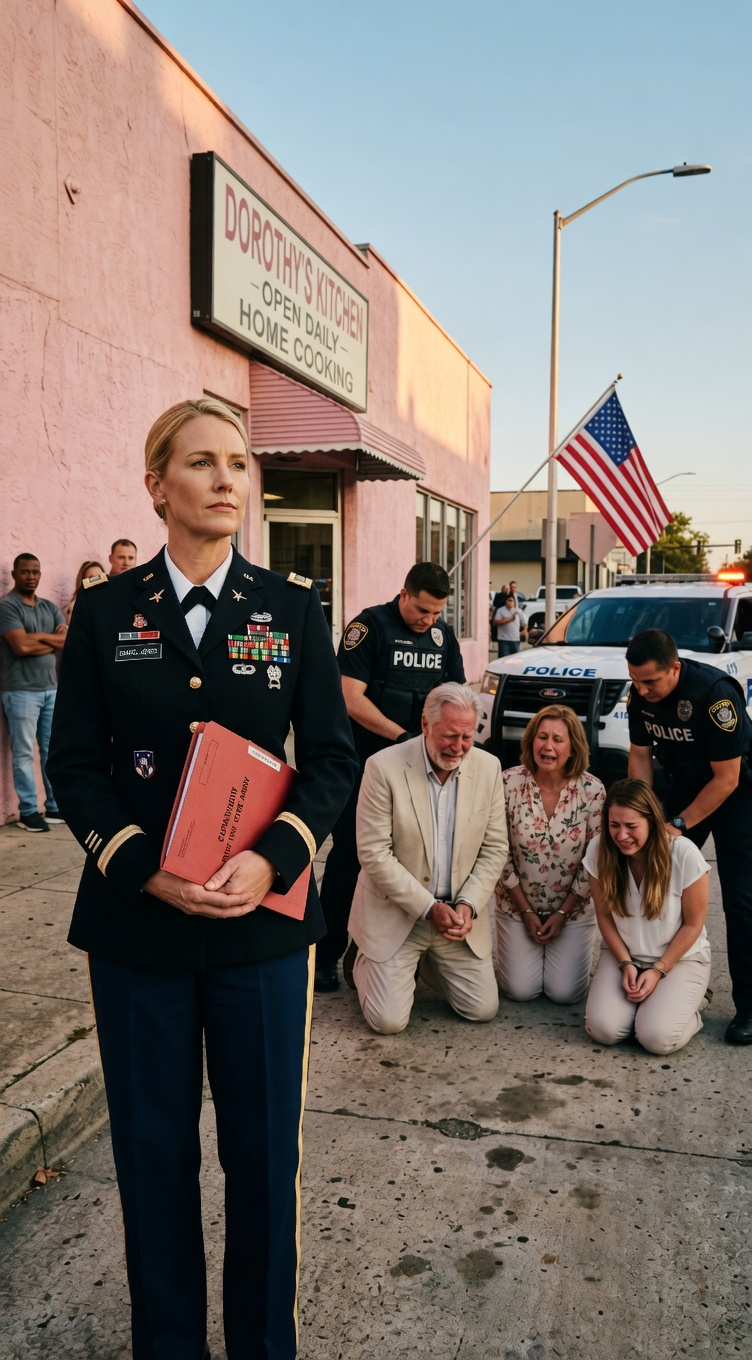
I was halfway across the world, serving my country in a desert heat that made every breath feel like fire, when my own family decided to betray me in the worst way possible. My grandmother had raised me after my parents died. That old Victorian house with the wraparound porch was the only real home I had ever known. Before I deployed, I made my sister and brother-in-law promise to look after it. They smiled, hugged me, and said, “Of course, we’ve got your back.” Eighteen months later, I received a forwarded letter from a real estate agent informing me that my grandmother’s house had been sold — and that my share of the proceeds was being held in escrow. They had sold it without telling me. What I did next didn’t just get the house back. It destroyed their entire plan and exposed secrets that had been buried for years.
The letter arrived while I was on a brief rest period at base. I stared at it for a long time, the words blurring as anger rose in my chest. My grandmother had left the house specifically to me in her will. I had the documents. I had told my family I wanted to keep it as a place to come home to after deployment. They sold it anyway, forged some signatures through a shady lawyer, and split the profits while I was risking my life overseas. My sister even had the nerve to text me a casual “Hope you’re staying safe!” message the same week the sale closed.
I didn’t scream. I didn’t call them in a rage. I sat down, took a deep breath, and started planning. Military life teaches you patience and strategy. I used every resource available to me. I contacted a JAG lawyer friend, gathered every piece of paperwork, and quietly began building a case. But I also did something they never expected — I reached out to the new owners of the house, an elderly couple who had bought it as their dream retirement home. I explained the situation honestly, without drama. They were horrified. They had no idea the sale was fraudulent. They agreed to work with me.
When I finally returned stateside, I didn’t go home to my apartment. I went straight to the house. The new owners let me in. I walked through every room, touching the banister my grandmother used to slide down with me as a child, sitting in the kitchen where she taught me to cook. Then I filed the lawsuit. The court battle was intense, but the evidence was overwhelming. Forged documents. Hidden communications. Financial records showing my sister and brother-in-law had used the money to buy a luxury vacation home and a new boat. The judge ruled in my favor completely. The sale was voided. The house was mine again.
But I wasn’t done.
I discovered through the investigation that this wasn’t their first time. They had done something similar with my grandmother’s jewelry and a small investment account years earlier. They had been systematically draining what little family wealth existed while pretending to be the responsible ones. I presented everything to the district attorney. Fraud charges were filed. My sister and her husband were arrested. The luxury purchases were seized. Their perfect life — the one built on lies and theft — crumbled in a matter of weeks.
The moment that meant the most came when I stood on the porch of my grandmother’s house — now my house — and watched them drive away after the final court hearing. My sister looked back at me with pure hatred. I didn’t smile. I didn’t gloat. I simply stood there, the house behind me, and felt my grandmother’s presence stronger than ever. Justice wasn’t loud or dramatic. It was quiet, methodical, and complete.
This experience taught me several hard but necessary truths:
- Family isn’t always who you share blood with — it’s who chooses to protect you.
- Never assume silence means honesty. Some people smile while they stab you in the back.
- The best revenge isn’t destruction for its own sake. It’s simply refusing to let thieves profit from your pain.
- Deployed service members deserve better than being robbed while they’re away fighting for their country.
- Truth and documentation will always win if you’re willing to fight long enough.
I still live in that house today. I fixed it up with my own hands on weekends. I turned my grandmother’s old bedroom into a reading nook. I planted a garden in the backyard where she used to grow tomatoes. And I made a promise to myself that no one would ever take advantage of me again. My sister and brother-in-law are still dealing with the legal and financial consequences. I don’t speak to them. Some relationships are too broken to repair, and some betrayals cut too deep for forgiveness.
If you’re reading this and you have family members you don’t fully trust — especially while you’re away serving or going through a vulnerable time — please listen to that quiet voice. Document everything. Protect your assets. And never be afraid to fight for what’s rightfully yours. I almost lost the only real home I had because I trusted the wrong people. I got it back because I refused to stay silent.
The house is quiet now, but it feels full. Full of memories, full of my grandmother’s spirit, and full of the peace that comes from knowing I stood up for what was right. Some people sell their soul for money. Others fight to protect the legacy of love left behind. I know which side I’m on.
And I sleep very well in the house they tried to steal from me.
Most Popular!
-
 Selfish Husband Leaves Pregnant Wife Stranded on Front Steps with a Broken Leg to Save His Back for Boys’ Trip – But His Grandfather Delivers the Ultimate Justice
-
Iconic Bond Girl Walked Away from Hollywood Fame and Fortune for the Love of This Legendary Beatles Icon
-
Millions of Drivers Shocked to Discover True Meaning of Mysterious Letter “E” Hidden on Vintage Car Gear Sticks
-
Storage Wars Legend Darrell “The Gambler” Sheets Found Dead in His Arizona Home After Tragically Long and Secret Battle
-
Generous Nine-Year-Old Sells Her Beloved Toy Collection to Help a Friend – But Next Day Furious Parents Confront Her Mother with a Life-Changing Truth
-
Terrifying Midnight Panic Ends in Hilarity After Family Investigates Mysterious Spiky Object in Bed Sheets
-
Bride Decides to Wear Her Late Grandmother’s Wedding Dress – But a Hidden Note Discovered in the Lining Exposes a Heartbreaking Thirty-Year Family Secret
-
Jennifer Aniston’s Secret Heartbreak: The Tragic Losses That Left the Friends Star Grieving Alone