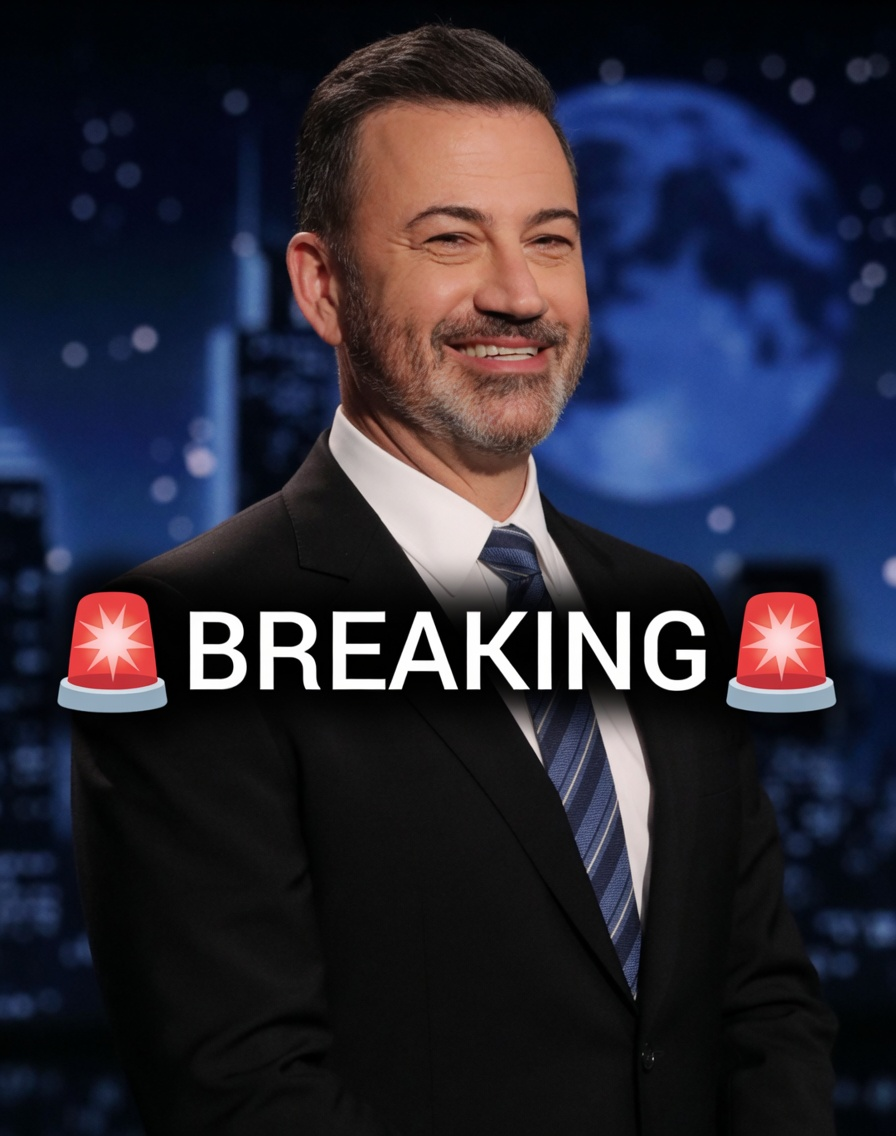
Late-night television has always walked a fine line between sharp humor and outright provocation, but Jimmy Kimmel may have crossed it in a way that has the entire industry — and the country — talking. During a recent monologue, the longtime host made a joke about Melania Trump that referenced her as a “widow in waiting,” implying something darkly humorous about Donald Trump’s safety amid ongoing threats. The audience laughed in the studio, but the clip spread like wildfire online, triggering an immediate and explosive backlash. Within hours, Donald Trump himself fired back with a blistering statement demanding Kimmel be removed from the air, calling the joke “disgusting, dangerous, and beneath even the lowest standards of so-called comedy.”
The moment has ignited fierce debate about the boundaries of political humor, the responsibility of public figures, and whether late-night shows have finally gone too far in their treatment of certain targets. For Melania Trump, who has largely stayed out of the spotlight in recent years, the joke struck a particularly raw nerve. Friends close to the former First Lady say she viewed it not just as tasteless, but as deeply hurtful — especially given the very real assassination attempts her husband has faced. The Trump family has long accused mainstream media and late-night hosts of bias, but this incident feels different. It feels personal.
What Jimmy Kimmel Actually Said
In the segment that has now been viewed millions of times, Kimmel was riffing on current political tensions and security concerns surrounding Trump. He quipped, “Melania’s already got the widow’s wardrobe picked out — black is always in style in Palm Beach.” The line was delivered with his signature deadpan delivery, followed by the studio audience’s laughter. What was intended as satirical commentary on the chaotic state of politics landed like a gut punch for many viewers, especially Trump supporters who saw it as mocking a woman who has endured public scrutiny, health scares within her family, and multiple threats against her husband.
Social media erupted almost instantly. #FireKimmel trended for hours. Conservative commentators called the joke “vile” and “beneath contempt.” Even some moderate voices who typically defend late-night comedy expressed discomfort, noting that jokes about widows or assassination attempts cross an invisible but important line. On the other side, Kimmel’s defenders argued that political figures are fair game and that the joke was aimed at Trump’s rhetoric rather than Melania personally. The divide, as always, was sharp and immediate.
Trump’s Furious Response
Donald Trump did not stay silent. In a statement released through his team and amplified on his own platform, he wrote: “Jimmy Kimmel is a low-rated, angry comedian who has lost his way. His disgusting ‘joke’ about my wife shows exactly why nobody watches these failing late-night shows anymore. Melania is an elegant, strong, and beautiful woman who has been through hell because of the radical left’s hatred. Kimmel should be fired immediately. The American people are tired of this garbage.”
The response was classic Trump — direct, personal, and unfiltered. It also reignited conversations about the former president’s relationship with the media and whether his willingness to call out what he sees as unfair treatment helps or hurts his public image. For Melania, who has always maintained a more reserved and private demeanor, the public nature of the backlash added another layer of unwanted attention to an already difficult period.
Melania’s Side of the Story
Those close to the former First Lady say the joke was particularly painful because it touched on very real fears. Melania has been open in the past about the toll that public life and security threats have taken on her family. Friends describe her as fiercely protective of her husband and children, and deeply private about their personal struggles. The idea of her being referenced as a “widow” — even in jest — felt like it minimized the genuine danger and stress they have faced.
Melania has not issued a public statement, choosing instead to let the situation play out without adding fuel to the fire. Those who know her say this is typical — grace under pressure has always been her trademark. But privately, the incident has reportedly strengthened her resolve to protect her family’s peace and privacy even more fiercely.
The Broader Conversation About Comedy’s Limits
This controversy has reignited a long-running debate about the role and responsibility of late-night comedy in a deeply divided nation. For years, shows like Kimmel’s have leaned heavily into political satire, often targeting Republican figures more aggressively than others. Supporters argue this is simply reflecting the cultural moment and holding power to account. Critics say it has crossed into mean-spirited territory that no longer resembles comedy and instead functions as partisan activism wearing a punchline.
Comedians and media analysts are split. Some defend Kimmel, saying the joke was within bounds given Trump’s own provocative style. Others, including several prominent voices in comedy, have quietly admitted that jokes about assassination attempts or widows feel uncomfortably close to the line — if not over it. The incident has prompted soul-searching in writers’ rooms across late-night television about where the line should be drawn when real lives and real dangers are involved.
What This Means for the Future
The backlash against Kimmel has been swift and widespread, with sponsors reportedly receiving thousands of complaints and social media campaigns gaining momentum. Whether this translates into actual professional consequences remains to be seen. Late-night hosts have survived controversies before, but the cumulative effect of repeated incidents may be wearing on audiences and advertisers alike.
For the Trump family, the episode is another reminder of the intense scrutiny and personal attacks that come with public life. For Melania, it may accelerate her desire to maintain an even lower profile. And for the country, it highlights the toxic nature of our political discourse — where even jokes can feel like weapons in a culture war that shows no signs of cooling down.
In the end, perhaps the most telling reaction came from an unlikely source. A longtime Kimmel viewer posted online: “I laughed in the moment, but then I thought about Melania actually having to hear that. It wasn’t funny anymore.” That shift — from knee-jerk laughter to uncomfortable reflection — may be the real story here. Comedy has power. With that power comes responsibility. When it loses sight of basic human decency, even the loudest laughs can start to feel hollow.
The conversation continues, but one thing is clear: Melania Trump, long one of the more private figures in American public life, has once again found herself at the center of a storm she never asked to be part of. And this time, the joke may have gone too far for even her critics to defend.
Most Popular!
-
 Selfish Husband Leaves Pregnant Wife Stranded on Front Steps with a Broken Leg to Save His Back for Boys’ Trip – But His Grandfather Delivers the Ultimate Justice
-
Iconic Bond Girl Walked Away from Hollywood Fame and Fortune for the Love of This Legendary Beatles Icon
-
Millions of Drivers Shocked to Discover True Meaning of Mysterious Letter “E” Hidden on Vintage Car Gear Sticks
-
Storage Wars Legend Darrell “The Gambler” Sheets Found Dead in His Arizona Home After Tragically Long and Secret Battle
-
Generous Nine-Year-Old Sells Her Beloved Toy Collection to Help a Friend – But Next Day Furious Parents Confront Her Mother with a Life-Changing Truth
-
Terrifying Midnight Panic Ends in Hilarity After Family Investigates Mysterious Spiky Object in Bed Sheets
-
Bride Decides to Wear Her Late Grandmother’s Wedding Dress – But a Hidden Note Discovered in the Lining Exposes a Heartbreaking Thirty-Year Family Secret
-
Jennifer Aniston’s Secret Heartbreak: The Tragic Losses That Left the Friends Star Grieving Alone